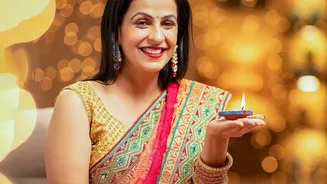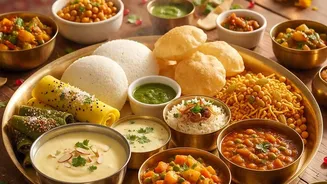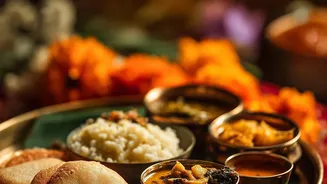


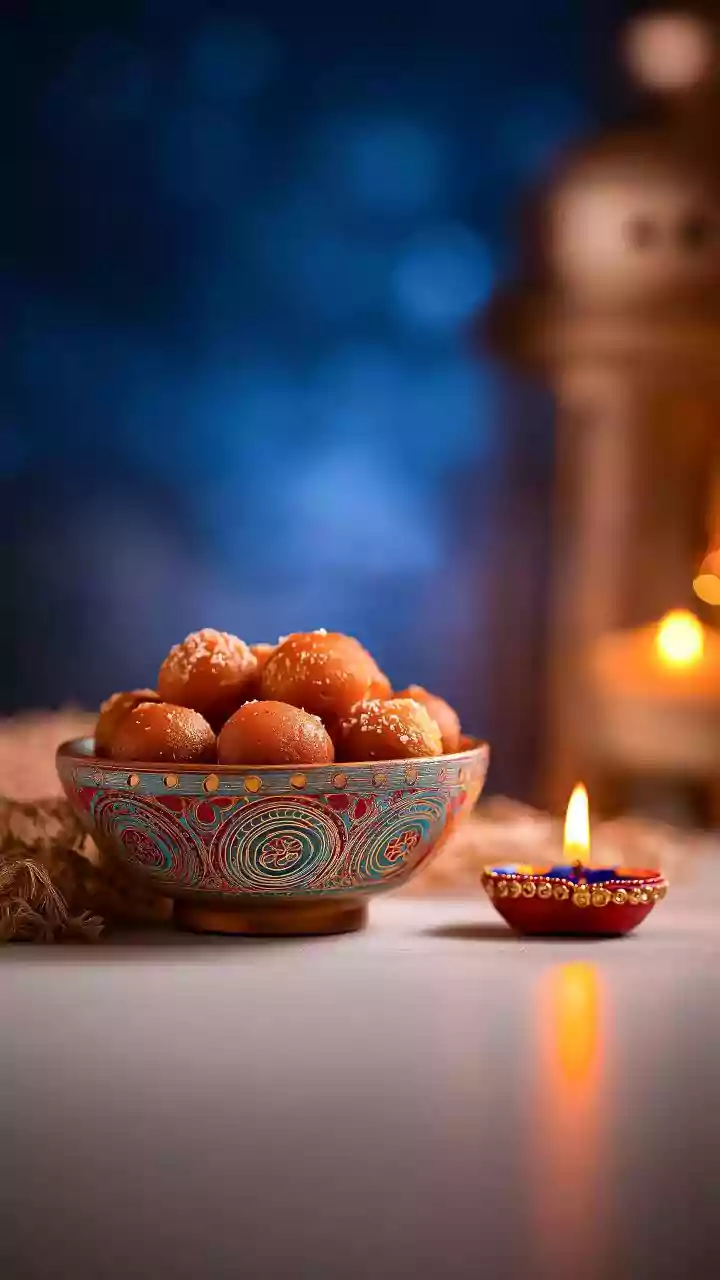
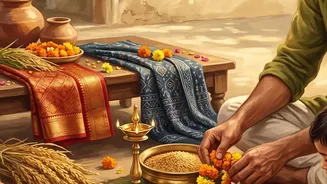
Walk into a Maharashtrian home, especially during Diwali, and you'll be greeted with a gesture of warmth that predates conversation: a plate of 'Faral'. This isn't just a collection of snacks; it's a cherished cultural symbol.
What Exactly Is Faral?
Faral is the collective Marathi
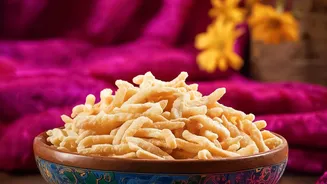
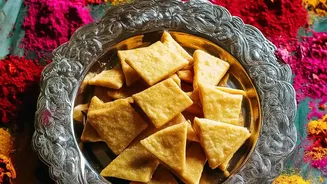
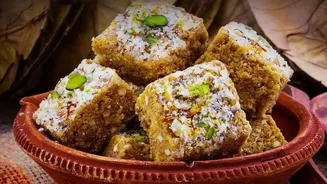
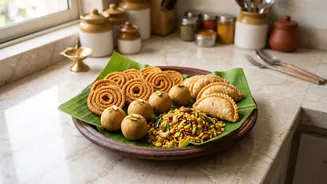
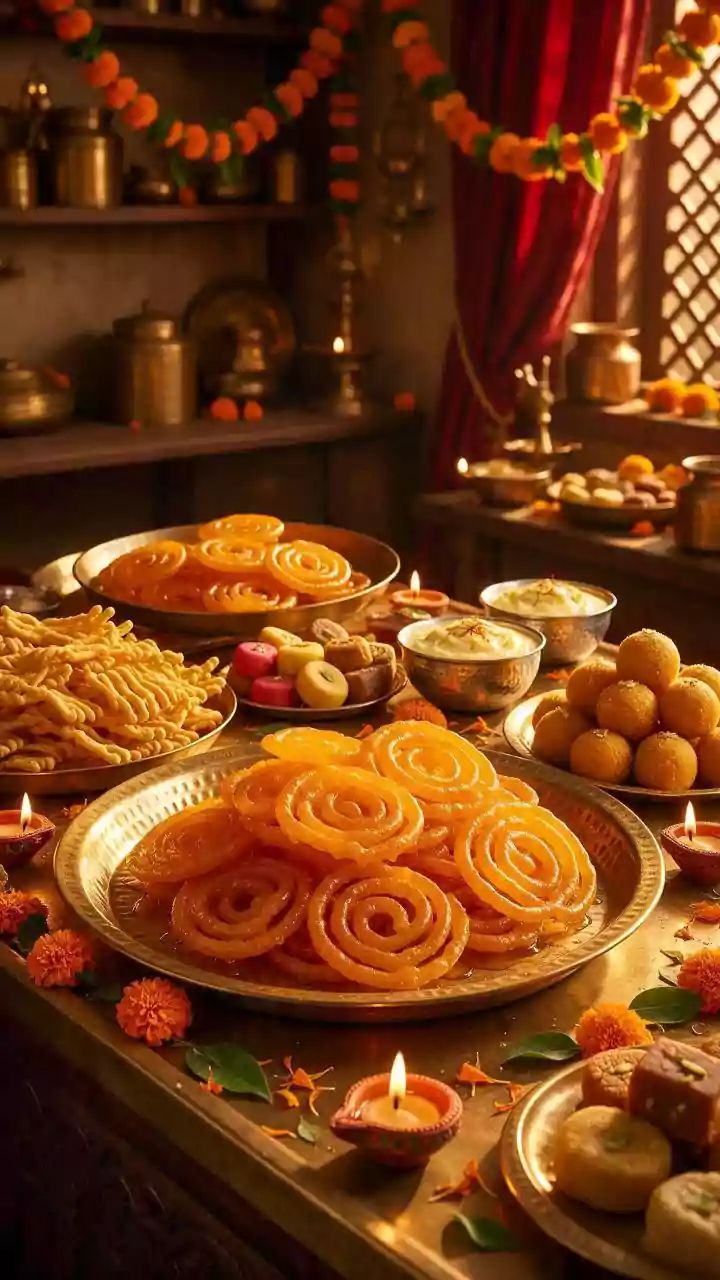
term for an assortment of sweet and savoury snacks traditionally prepared for the Diwali festival. This platter is a feast for the senses, carefully balancing flavours and textures. Core savoury items include 'Chakli', a crunchy, spiral-shaped snack made from spiced rice and lentil flour; and 'Poha Chivda', a light, endlessly munchable mix of flattened rice, peanuts, and curry leaves. On the sweet side, you'll find 'Shankarpali', crisp, diamond-shaped fried biscuits that can be either sweet or savoury; 'Karanji', a crescent-shaped pastry with a sweet coconut filling; and various 'Ladoos' made from ingredients like gram flour (besan) or semolina (rava). Each item has a long shelf life, a practical necessity for a festival that spans several days of visiting guests.
A Labour of Love and Tradition
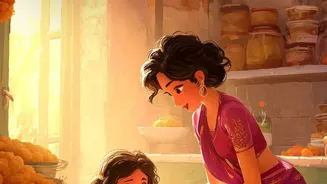
The phrase 'carefully prepared' is key to understanding Faral. Its creation isn't a last-minute affair but a cherished ritual that begins weeks before Diwali. Historically, women in the family would gather to make these snacks in large batches, turning the kitchen into a hub of communal activity. This process involves time-honoured techniques passed down through generations, from preparing the special 'bhajani' flour for Chakli to patiently fermenting the dough for 'Anarse', a delicate rice and jaggery-based sweet. Making Faral is a labour of love, and the effort invested is a direct expression of the care and anticipation for the festive season and the guests who will arrive.
The Heart of Maharashtrian Hospitality
In Maharashtra, offering food is the primary gesture of welcome, and Faral is its most potent expression during festive times. Presenting a guest with a plate of homemade Faral is a non-negotiable act of hospitality. It serves as an immediate icebreaker, a symbol of joy and abundance that says 'we are happy you are here'. The custom is born from a culture of bounty and sharing; families prepare enough not only for themselves but for a constant stream of visitors. Exchanging plates of Faral with neighbours and relatives is also a common practice, reinforcing community bonds and spreading the festive cheer beyond one's own doorstep.
A Platter Full of Symbolism
The composition of a Faral plate is symbolic. The blend of sweet ('god') and savoury ('tikhat') items is said to represent the varied flavours of life, a reminder to embrace all its experiences. This balance is central to Maharashtrian cuisine as a whole. Furthermore, the act of making and sharing these treats during Diwali connects to the festival's core theme: the triumph of light over darkness and good over evil. The shared food symbolises prosperity, togetherness, and the renewal of positive intentions. Each crunchy Chakli and sweet Karanji is, in essence, a small bite of festive joy and cultural heritage.