





The votes are counted in the US midterm elections, yet global markets remain on edge. This isn't the stability many hoped for. So why is a clear result not calming investor fears? The answer lies beyond the ballot box and inside deeper issues.
A Decisive Yet Complicated Result
The 2026
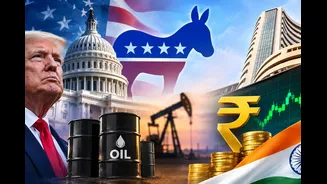
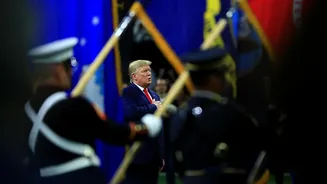
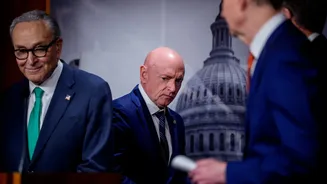
US midterm elections delivered a decisive outcome: a 'blue wave' that saw the Democratic party win control of both the House of Representatives and the Senate. This result was seen by many as a rebuke of the sitting Republican administration's policies, particularly concerning the rising cost of living and the ongoing conflict in Iran. While the removal of pre-election uncertainty historically buoys markets, this sweep introduces a new dynamic: a divided government where the legislative branch is controlled by the opposition party. This sets the stage for significant political gridlock, as the President retains veto power, making major new legislation difficult to pass. Consequently, markets are grappling with what this new balance of power in Washington means for policy, regulation, and the economy.
The Initial Market Reaction
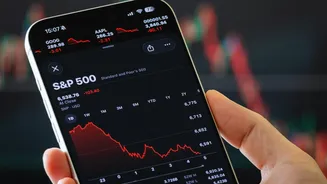
Initially, markets reacted with a degree of optimism. The S&P 500 posted gains, and the Indian Sensex surged over 1,600 points, as investors anticipated that a divided government would prevent disruptive new policies. A key driver of this early rally was the sharp drop in crude oil prices, which fell on hopes that a Democratic-controlled Congress would push for a diplomatic resolution to the conflict with Iran. A weaker US dollar and falling US Treasury yields also contributed to the positive sentiment, as this can make investments in emerging markets like India more attractive to foreign investors. However, this initial enthusiasm was short-lived as the market began to digest the more complex, longer-term implications.
Beyond Politics: The Real Economic Worries
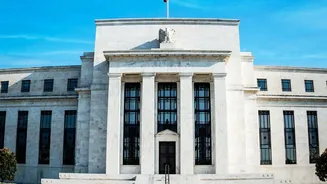
The core reason for the lingering uncertainty is that the election results do not change the fundamental economic challenges facing the globe. Persistent inflation, high interest rates set by central banks, and the risk of a broader economic slowdown remain the primary concerns for investors. While political gridlock might prevent new government spending that could fuel inflation, it doesn't solve the underlying issues of strained supply chains or elevated energy costs. Analysts point out that company earnings, consumer spending, and Federal Reserve policy will be far more influential on market direction than the political configuration in Washington. The midterms simply removed one layer of uncertainty, revealing the more stubborn economic problems that lie beneath.
Gridlock as a Double-Edged Sword
For markets, legislative gridlock can be both a blessing and a curse. On one hand, it reduces the risk of major, market-moving policy changes, such as new taxes or sweeping regulations, creating a more predictable environment for businesses. On the other hand, it raises the risk of political brinkmanship, especially concerning crucial fiscal deadlines. Fights over government funding could lead to shutdowns, and a partisan battle over raising the national debt ceiling is now a significant concern for 2027. Furthermore, a constrained legislative agenda may lead the administration to rely more heavily on executive orders for trade and foreign policy, which introduces its own brand of unpredictability for global companies.
The View from India
For India, the US election outcome presents a mixed but cautiously optimistic picture. The most significant immediate benefit has been the decline in crude oil prices, a major positive for India's inflation and current account deficit. A weaker dollar and the potential for increased foreign investment flows are also clear advantages. However, there are new risks to monitor. A Democratic Congress is expected to increase scrutiny on the technology sector, particularly around the massive energy consumption of AI data centers. This could potentially slow the AI investment boom, which would have knockon effects for India's IT services sector. While the threat of broad new tariffs may recede, Indian exporters will still be watching for any shifts in US trade policy enacted through executive action.