





The Unseen Stress of Sound
Our brains are constantly working to process sounds from our environment. In a busy home, this can mean a non-stop barrage of the television, kitchen appliances, children playing, and overlapping conversations. When sound waves bounce off hard surfaces
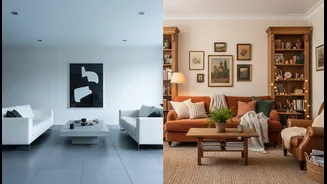
like tiled floors and bare walls, it creates reverberation and echo. This forces our brains to work harder to filter out unwanted noise, leading to a state of cognitive overload and mental fatigue. This constant sensory stimulation can increase stress hormones like cortisol, making us feel restless, irritable, and exhausted, even when we haven't been physically active. Poor acoustics don't just annoy us; they actively contribute to mental exhaustion and can disrupt sleep.
Your First Defence: Soft Furnishings
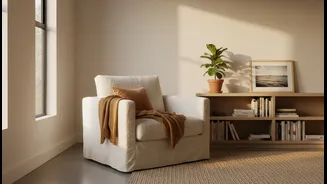
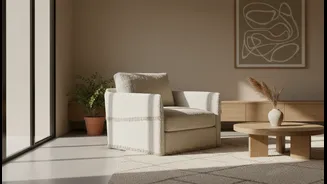
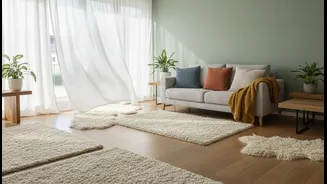
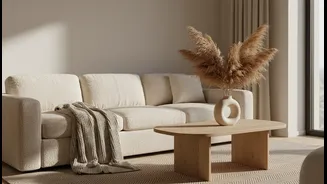
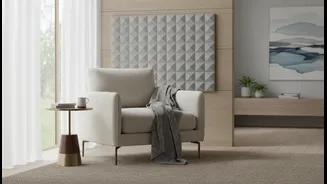
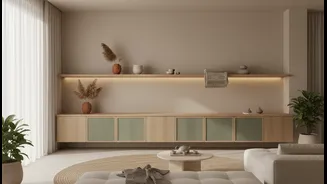
The easiest and most immediate way to improve your home’s acoustics is by introducing soft, porous materials. Hard surfaces reflect sound, while soft ones absorb it. Think of it as adding sponges for sound around your house. Thick curtains and drapes are excellent at absorbing sound waves, especially high-frequency ones, that would otherwise bounce off windows. Laying down a thick rug or carpet is one of the most effective ways to dampen noise, preventing echoes from bouncing off hard floors. Don’t underestimate the power of plush sofas, upholstered chairs, cushions, and throws. These items don't just add comfort and style; they are functional acoustic tools that trap sound and reduce overall reverberation, making a room feel calmer.
Working the Walls and Ceilings
Bare walls are major culprits in creating an echoey, loud environment. One of the most effective solutions is using bookshelves as sound diffusers. A well-stocked bookshelf breaks up sound waves, preventing them from reflecting directly back into the room. For a more direct approach, fabric wall hangings like tapestries or macramé can significantly reduce echo. You can also consider acoustic panels. While they sound technical, many modern options are designed to look like art and can be a stylish addition. For those on a budget, DIY acoustic panels can be made with wooden frames, sound-absorbing material like rockwool, and a fabric cover. Even hanging panels from the ceiling, sometimes called 'clouds', can make a huge difference in rooms with high ceilings.
The Green Solution: Plants as Sound Dampeners
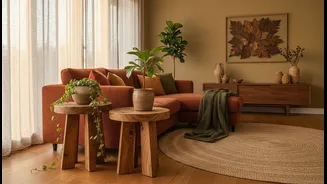
Indoor plants are more than just decorative; they are natural sound absorbers. Plants with large, broad, or dense leaves are particularly effective at scattering and absorbing sound waves. Species like the Rubber Plant, Fiddle Leaf Fig, and various ferns can help reduce background noise. The soil and even the pot contribute to sound absorption as well. To maximise their acoustic benefit, place several plants around the perimeter of a room rather than just one in the centre. This way, they can catch sound waves reflecting off the walls. Grouping smaller plants together can also be more effective for sound reduction than one large plant.
Strategic Furniture Arrangement
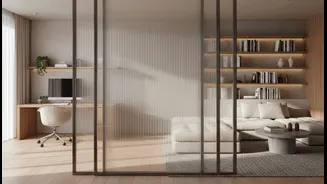
How you arrange your furniture can also play a crucial role in managing your home's acoustics. Avoid placing large pieces of furniture right against the walls if possible, as leaving a small gap can help break up sound waves. Strategically use large items like cabinets or armoires to block noise from travelling between different areas of an open-plan space. Arranging furniture can create smaller, more intimate zones that feel acoustically comfortable. For instance, a curved sofa can naturally enclose a conversation area, making it feel quieter and more private. The goal is to create an environment with a mix of hard and soft surfaces, and varied object heights, to effectively break up and absorb sound.