




The Enduring Appeal of Madras
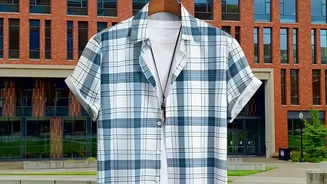
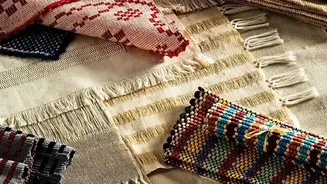
Named after the city of Madras (now Chennai), this handwoven cotton fabric has been a warm-weather staple for centuries. Its loose, open weave makes it incredibly breathable and ideal for hot, humid days. Traditionally made with short-staple cotton, the fabric has a unique
texture with slight bumps, known as slubs, which add to its character. While modern versions are plentiful, authentic Madras is celebrated for its rich history and the craftsmanship embedded in every yard. This heritage is a key part of its 2026 revival, as consumers look for garments with a story.
How to Spot Authentic Madras
When you're shopping, a few key details can help you identify higher-quality Madras fabric. First, check both sides of the cloth. Authentic Madras is woven with dyed yarns, not printed, so the pattern should be identical on the front and back. Don't be put off by minor imperfections or slubs in the weave; these are often hallmarks of handwoven fabric and are considered part of its charm. Historically, true Madras used vegetable dyes that were 'guaranteed to bleed', creating a muted, softened look over time. While many modern fabrics use colorfast chemical dyes, the 'bleeding' characteristic was once a mark of authenticity.
The Shrinkage Situation
The most common concern with Madras is shrinkage. As a natural cotton fabric, it can shrink by as much as ten percent after its first wash. Because of this, most reputable manufacturers pre-wash the fabric before sewing it into garments. When buying ready-to-wear clothing, check the label for any pre-shrunk information. If you're buying fabric to sew yourself, pre-washing is an essential first step. If you're ever in doubt, it's wise to consider buying one size larger than you normally would to account for any potential shrinkage, ensuring a comfortable fit after laundering.
Mastering the First Wash
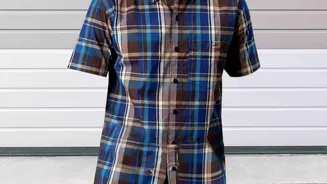
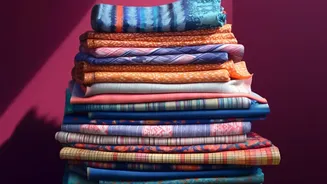
How you wash your Madras garment for the first time is crucial for its longevity, especially if it's made with traditional, non-colorfast dyes. Always wash in cold water with a gentle detergent to minimize both shrinkage and colour bleeding. Some fabric enthusiasts recommend soaking the garment for 30 minutes in cold water with half a cup of vinegar and a few teaspoons of salt before the first wash to help set the dyes. Always wash Madras with similar colours or on its own initially. This careful first step can preserve the vibrant check pattern and prevent unfortunate laundry mishaps.
Long-Term Care for Lasting Colour
Beyond the first wash, caring for Madras is straightforward. Continue to use a gentle cycle with cold water for all subsequent washes. To prevent fading, avoid drying the fabric in direct, harsh sunlight. Tumble drying on a low setting is generally safe, but be sure to remove the garment promptly to prevent deep wrinkles. The fabric’s natural texture means some wrinkling is part of its casual aesthetic, so aggressive ironing isn't necessary. If you do iron, use a low heat setting. With this simple routine, your Madras pieces will remain a vibrant and comfortable part of your wardrobe for many summers to come.