



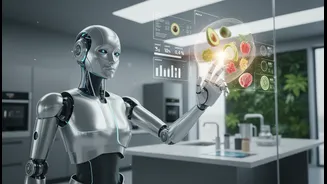


A Digital Dietitian for Modern India
The NIN's goal is to create a one-stop source for nutritional facts, initially focusing on the thousands of packaged food products flooding the Indian market. With non-communicable diseases like diabetes and hypertension on the rise, linked partly to diet,
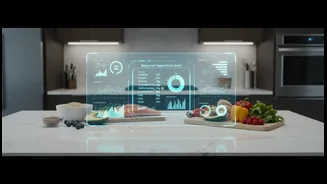
the need for such a tool is urgent. The plan is for users to search for a product and get an instant, easy-to-understand breakdown of its nutritional profile. This AI bot will analyse ingredients and nutritional labels, helping consumers make more informed choices. The project, a collaboration with a Hyderabad-based startup, will leverage a database of over 75,000 products, aiming to demystify complex food labels and technical ingredient names for the average person.
The Challenge of 'Andaza'
While analysing packaged foods is a structured starting point, the ultimate challenge lies in accounting for traditional, home-cooked Indian meals. This is where AI runs into the beautiful, unquantifiable concept of 'andaza'—estimation. For generations, Indian home cooks have relied on instinct and experience, not measuring cups. A 'pinch' of spice, a 'drizzle' of oil, or a 'small bowl' of dal are not standardised units. This culinary improvisation, which gives each household's cooking its unique character, is a nightmare for algorithms that require precise data inputs. An AI can be told a recipe uses one teaspoon of oil, but whose teaspoon? And was it a level scoop or a heaping one? This variability makes calculating accurate nutritional values incredibly difficult.
One Dish, a Hundred Identities
The complexity multiplies when considering India's vast regional diversity. A single dish can have countless variations, each with a different nutritional profile. Take biryani, for example. The Hyderabadi version, with its layered cooking method, differs significantly in texture and calorie count from the Kolkata style, which famously includes potatoes. A Malabar biryani might use different spices and fats altogether. Similarly, a sambar in Tamil Nadu is not the same as one in Karnataka. An AI tool that simply recognizes 'sambar' or 'biryani' without understanding the regional context or specific ingredients used—like the type of oil or the amount of coconut—cannot provide an accurate nutritional assessment. This diversity is a celebrated aspect of our food culture but a massive hurdle for data-driven analysis.
Beyond the Ingredients List
Even if an AI could know every ingredient, other variables dramatically alter a dish's final nutritional value. The cooking method is a major factor. A pressure-cooked dal retains nutrients differently than one slow-cooked for hours. The ripeness of a tomato affects its sugar and vitamin content. The type of cooking oil used can fundamentally change the fatty acid profile of a meal. Furthermore, many Indian meals involve mixed dishes where ingredients overlap, like dal poured over rice, making it hard to estimate the quantity of each component. Researchers at institutions like IIIT-Hyderabad, who are also working on AI-based food analysis, acknowledge these fundamental challenges in estimating proportions, water content, and texture from a simple image.
A Mirror to Our Culinary Heritage
The difficulties in building NIN's AI bot are not a failure of technology but a testament to the rich, nuanced, and often unwritten nature of Indian culinary traditions. The project forces a necessary, if challenging, attempt to codify what is largely ancestral knowledge passed down through practice. It highlights a gap between the standardised data that powers the digital world and the fluid, lived reality of the Indian kitchen. Other related tools, like NIN's own questionnaire to assess diet diversity in children, show a move towards capturing this context by focusing on food groups rather than just precise nutrient counts. This ambitious AI project, therefore, is more than just a health tool; it is a massive data-gathering exercise that will serve as a valuable resource for researchers and policymakers for years to come.