








From Ritual to Mass Movement
Harela, which translates to "Day of Green," is a traditional festival in Uttarakhand celebrating the monsoon, agriculture, and the deep connection between people and nature. For generations, it has been a time for sowing seeds and planting trees, symbolizing
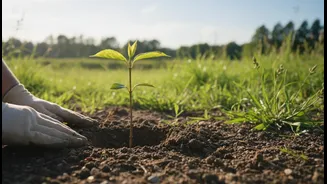
prosperity and renewal. In recent years, this cultural practice has evolved into a platform for significant environmental action, with government bodies, NGOs, and communities organizing large-scale sapling plantation drives to coincide with the festival. This year, for instance, Dehradun district alone has a target of planting over 1.5 million saplings. These efforts mirror a nationwide trend where mass plantations are seen as a key tool in fighting climate change and increasing green cover.
The Survival Imperative
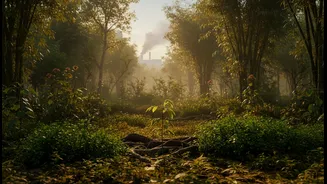
Planting millions of trees is a powerful statement, but it's only the first step. The true measure of success for any afforestation project is the survival rate of its saplings. Unfortunately, this is where many large-scale drives in India fall short. National audits have often revealed dismal survival rates, sometimes as low as 20-40% for government-led mass campaigns. The reasons are often mundane but critical: lack of follow-up care, inadequate watering, poor species selection, and no long-term monitoring. A sapling that dies within a year represents a wasted investment of resources, effort, and hope. The ecological benefits, from carbon sequestration to improved air quality, never materialise.
Beyond Green Cover: Fostering Biodiversity
The ultimate goal of planting trees should not just be to create green cover, but to build resilient, living ecosystems. This is where biodiversity becomes crucial. A forest is not just a collection of trees; it's a complex web of native plants, insects, birds, and animals. Monoculture plantations—planting vast tracts with a single, often non-native species—can create green deserts that do little to support local wildlife. To truly support biodiversity, drives must prioritize planting a mix of native species that are adapted to the local climate and soil. These trees provide the right kind of food and habitat for indigenous fauna, helping to restore the delicate balance of the natural environment. The choice between a monoculture and a diverse, native plantation is the difference between a tree farm and a forest.
Harela as a Sustainable Blueprint
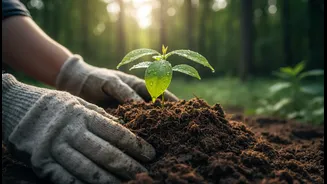
This is precisely why the conversation around Harela's sapling drive is so important. By embedding plantation within a cultural framework, it fosters a sense of community ownership that is often missing in top-down government schemes. When people plant a tree as part of a revered tradition, they are more likely to care for it. This year, officials in Dehradun have stated that the drive will not be a mere ritual, with plans for a 'Green Control Room' to monitor progress and fix responsibility for maintenance for five years. Furthermore, the plan includes ensuring 50% of the saplings are of fruit-bearing and fodder species, which directly benefits local communities and wildlife, creating a powerful incentive for their protection. This approach—linking cultural significance with monitored, long-term care and a focus on native, useful species—provides a powerful model for how to make mass plantation drives meaningful.