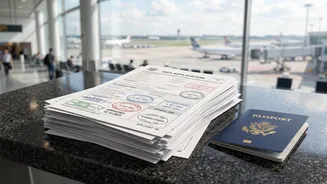




The long queue at the immigration counter after an exhausting flight is a universal travel pain point. But what if it could disappear? A new report shows that’s exactly what passengers want, pointing toward a future of stress-free arrivals.
What Passengers Are Saying
The desire
for a smoother airport experience is growing stronger. According to the 2026 Global Passenger Survey from the International Air Transport Association (IATA), a significant number of travellers are ready to shift key processes away from the airport terminal. The survey found that 45% of passengers would prefer to complete immigration procedures before even getting to the airport, an increase from 41% in 2025. Furthermore, a massive 86% of travellers are willing to share their immigration information digitally ahead of their trip to speed things up. This isn't just about convenience; it's a response to growing friction in travel. The same survey revealed that complex entry requirements have discouraged 43% of people from visiting a destination, a notable jump from 33% the previous year. Passengers are sending a clear message: they want the bureaucracy of travel to happen in the background, long before they step on the plane.
The Promise of Pre-Clearance
The concept at the heart of this preference is known as pre-clearance. In simple terms, it means completing all the necessary customs, immigration, and agricultural inspections for your destination country at your departure airport. Instead of landing and facing a border agent, you do it all before you board. Upon arrival, your flight is treated like a domestic one. You can disembark, collect your bags, and walk straight out of the airport or on to your next connecting flight. This system already exists in a handful of locations. The United States, for example, operates pre-clearance facilities at 16 airports in six countries, including Canada, Ireland, and the UAE. Passengers flying from these airports to the U.S. arrive as domestic travellers, saving significant time and reducing stress. The IATA findings suggest a strong global appetite to make this the norm, not the exception.
How Technology Makes It Possible
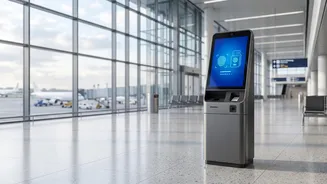
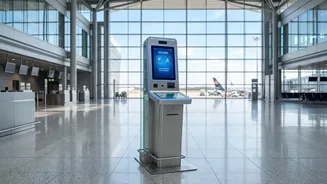
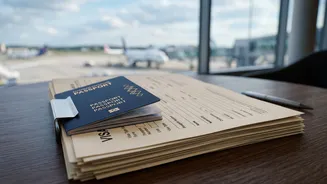
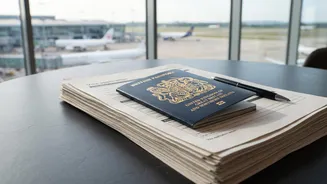
This vision of off-airport processing relies heavily on technology that is rapidly becoming mainstream. The two key pillars are Digital Travel Credentials (DTCs) and biometrics. A DTC is essentially a secure digital version of your passport stored on your phone. Before your trip, you could use it to apply for visas online—a method preferred by 60% of travellers—and share necessary information with airlines and border agencies from home. The second piece is biometrics. At the airport, instead of repeatedly showing your passport and boarding pass, a simple facial scan would confirm your identity at bag drop, security, and the boarding gate. Traveller acceptance of this is high and growing. IATA’s survey showed 78% of passengers are willing to share their biometric information for a document-free experience. Combined, these technologies create a seamless 'One ID' system where your face becomes your passport, and all the admissibility checks are done in advance.
The Benefits and Hurdles
The advantages are enormous. For travellers, it means no more arrival queues, less anxiety, and faster connections. Airlines benefit because they can fly into smaller domestic airports that may not have international processing facilities, opening up new routes. Airports gain by reducing congestion in crowded arrival halls and optimising gate usage. However, the path to a fully pre-cleared world has challenges. The biggest is the need for international standardisation. For this to work globally, governments must agree on frameworks for issuing and accepting digital credentials. Data privacy is another major concern for passengers, who want to know how their information is being used and protected from breaches. Finally, there is the significant investment required by airports and governments to implement the necessary technology. These are not small hurdles, but the momentum from both the industry and passengers is undeniable.