


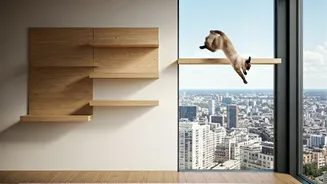


The Vertical Kingdom of the Cat
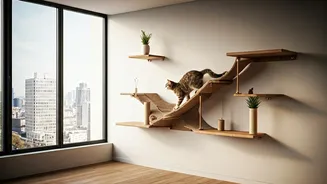
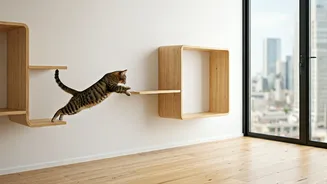
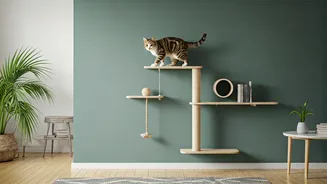
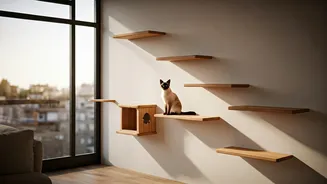
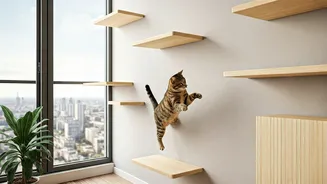
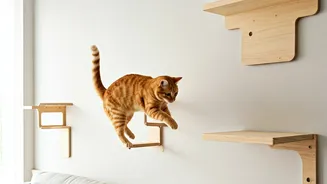
To understand the magic of a window hammock, you first need to think like a cat. For felines, territory isn't just about floor space; it's about verticality. In the wild, their ancestors climbed trees to survey their domain, spot prey, and stay safe from
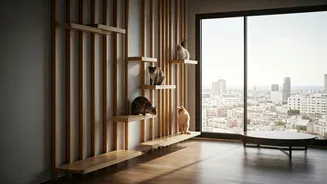
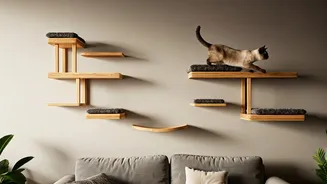
larger predators. This instinct hasn't vanished just because they now live on the 14th floor in Gurugram or Bandra. An indoor cat without access to high perches can feel anxious and exposed. They crave elevated spots that give them a sense of control and security. A high shelf, the top of a bookshelf, or the back of a sofa often becomes their makeshift throne. They aren't just being aloof; they are satisfying a deep-seated biological need to command their environment from a safe vantage point.
Enter the Floating Perch
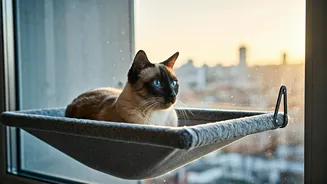
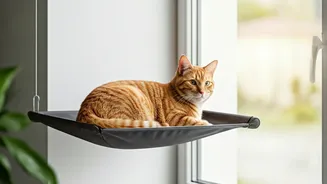
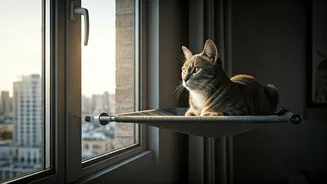
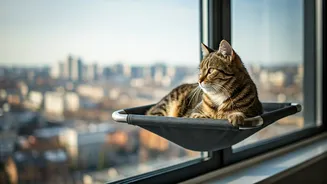
This is where the window-mounted hammock changes the game, especially in space-conscious Indian apartments. Unlike bulky cat trees that consume precious floor area, these hammocks attach directly to any window or smooth glass surface using industrial-strength suction cups. They create a 'floating' bed that hovers right against the glass. Made from sturdy frames (often PVC pipes or steel) and a comfortable fabric sling, they effectively create new, desirable real estate out of thin air. For cat owners in high-rise buildings, this is a revolutionary solution. It utilises an often-ignored vertical space—the window itself—to create a dedicated spot that serves the cat’s every instinctual need without cluttering the human living area.
Cat TV: An Enrichment Powerhouse
A bored cat is often a destructive cat. Indoor life, while safe, can be monotonous. The window hammock acts as a front-row seat to the most engaging channel available: the outside world. This is often called 'Cat TV'. From their perch, a cat can watch birds fly past, leaves rustle, people walk by, and cars move below. This constant stream of visual stimulation is crucial for their mental health. It engages their predator instincts in a safe, non-harmful way, preventing the boredom that can lead to behavioural issues like over-grooming, excessive meowing, or scratching furniture. It’s the perfect vantage point for a lazy afternoon of bird-watching or supervising the neighbourhood from a comfortable, sun-drenched spot.
A Sanctuary of Their Own
Beyond just a good view, the hammock becomes a personal sanctuary. In multi-pet households, it provides an escape route and a safe zone where a cat can retreat from a boisterous dog or another cat. Because it's elevated and typically accommodates only one feline, it’s an undisputed piece of personal territory. This sense of ownership can significantly reduce stress and territorial disputes. The sunbeam that hits the window in the afternoon turns the hammock into a warm, cosy bed, promoting rest and relaxation. For a timid or anxious cat, having this secure, personal space can be transformative for their confidence and overall well-being. It's their corner of the world in a busy home.
Choosing and Installing a Safe Hammock
While the idea is brilliant, safety is paramount. When choosing a window hammock, look for a few key features. Check the weight limit and ensure it can comfortably support your cat—or cats, if they like to snuggle. The suction cups should be large and robust; many high-quality models use screw-on suction cups for a more secure grip. Before installing, thoroughly clean both the window and the suction cups with a good cleaning agent to remove any grease or grime that could weaken the seal. It’s wise to test the hammock’s stability with a heavy object (like a few books) for a few hours before letting your cat use it. Finally, consider a model with a removable, machine-washable fabric cover for easy cleaning, ensuring your cat’s favourite spot stays fresh and hygienic.