






What Exactly Is the New Policy?
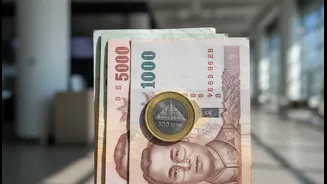
Thailand is set to implement a 300-baht entry fee for foreign tourists arriving by air. This isn't a visa fee, but a separate levy, sometimes called 'ka-yiab-phaen-din' which translates to a "fee for stepping on the land". The policy has been discussed
for years but is now expected to be rolled out in 2026. The primary stated goal is to use the revenue for developing tourism infrastructure and providing a basic insurance cushion for visitors. According to officials, a portion of the fee will be allocated to medical and accident insurance coverage for tourists during their stay, an issue that has been a recurring concern.
Breaking Down the Cost for Indian Travellers
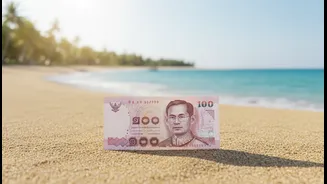
The fee is a flat 300 baht per person, per entry. This translates to approximately 700 to 750 Indian Rupees, depending on the exchange rate. It's important to note that this is a one-time charge each time you fly into the country, not a daily tax. Whether you're staying for a long weekend or for the full duration of your visa, the fee remains the same. While some early reports mentioned the possibility of a fee over 300 baht, the most recent and confirmed plans have settled on this amount for air arrivals.
Who Pays and How Will It Be Collected?
The current plan is for the fee to apply only to foreign tourists arriving by air. Earlier proposals to charge a smaller fee for land and sea arrivals have been put on hold to avoid burdening cross-border commuters. This means if you fly into Bangkok, Phuket, or any other Thai airport, you will be subject to the charge. The most likely method of collection will be to integrate the fee directly into the price of your airline ticket. This is the preferred method for Thai authorities as it avoids creating queues and delays at immigration upon arrival.
Context: Visas and Other Recent Changes
This new fee arrives alongside other significant changes to Thailand's entry rules. As of mid-2026, the temporary 60-day visa exemption scheme, which included India, has been revised. The standard stay for many nationalities, including Indians, is reverting to 30 days for visa-free entry. This move is part of a broader effort to streamline entry rules under a "one country, one entitlement" principle and enhance security. For stays longer than 30 days, Indian travellers will need to look at other options like applying for a single-entry tourist visa for a fee, which allows for a longer stay.
Budgeting for Your Next Thai Holiday
For a family of four, this new fee adds approximately 1,200 baht (around INR 2,800 to 3,000) to the upfront cost of a trip. While not a dramatic increase, it's a mandatory expense that needs to be factored in alongside flights and accommodation. This move signals Thailand's gradual shift from a purely budget-focused destination to one managing its resources more sustainably. Compared to other destinations, the fee is relatively modest; Bali, for instance, has a tourist levy of around $10. The key for travellers is simply to be aware of this new cost and incorporate it into their planning. It doesn't diminish the incredible value and experiences Thailand offers, but it does make precise budgeting more important than ever.