



What Exactly is Sumac?
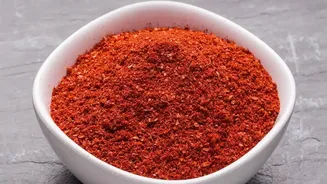
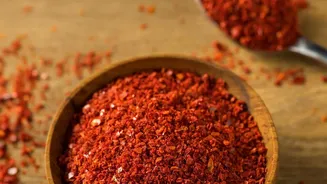
Sumac is a coarse, deep red powder made from the dried berries of the Rhus coriaria shrub, which grows wild across the Mediterranean, Turkey, and Iran. For centuries, it has been a cornerstone of Middle Eastern and Mediterranean cuisine, prized for its
ability to add tartness long before lemons were widely available. The berries are harvested in the fall, sun-dried, and then ground into the vibrant spice you see in jars. It’s important not to confuse this culinary staple with its toxic relative, poison sumac, which is an entirely different plant identifiable by its white berries. The sumac you find in stores is perfectly safe and delicious.
A Uniquely Tart Flavour
The primary flavour of sumac is a bright, lemony tartness. However, comparing it only to lemon doesn't do it justice. Unlike the sharp, liquid punch of citrus juice, sumac delivers a drier, more rounded sourness that coats the palate. This tartness is balanced by subtle fruity and earthy undertones, with some describing hints of dried cherry or raisin. Its acidity comes from malic acid, the same compound found in apples and grapes, which gives it a different character than the citric acid in lemons. Critically, while its colour is a vibrant red, sumac brings acidity, not spicy heat like chilli powder.
Using Sumac Instead of Lemon
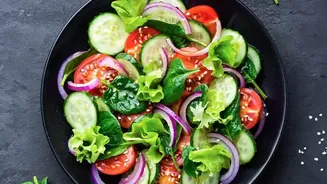
The most significant advantage of sumac is its ability to add sourness without adding liquid. This makes it an ideal choice for dishes where you want to maintain a specific texture. It shines in dry rubs for chicken, lamb, or fish, where it enhances flavour without making the surface wet. It's also perfect for finishing salads that might otherwise become soggy from lemon juice. When substituting, there's no exact formula, but a good starting point is to use about two teaspoons of ground sumac for the juice of one whole lemon, and then adjust to taste. Keep in mind that some commercial sumac contains added salt, so it's wise to check the label and adjust your seasoning accordingly.
More Than Just a Substitute
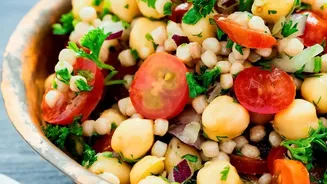
While it's a great backup for lemon, sumac deserves a permanent spot in your pantry for its own unique qualities. It is the defining ingredient in the Lebanese salad fattoush and a key component of the popular spice blend za'atar. Try sprinkling it over hummus or baba ganoush for a traditional and colourful garnish. A dash of sumac can elevate roasted vegetables, grilled halloumi, or even a simple bowl of rice. It’s also fantastic on eggs, from scrambled to shakshuka, and stirred into plain yogurt with herbs to create a quick, tangy dip for grilled meats or vegetables.
A Touch of Wellness
Beyond its culinary uses, sumac is packed with antioxidants like flavonoids and tannins. These compounds are believed to help protect cells from damage and reduce oxidative stress. Some early studies have suggested potential benefits related to blood sugar control and alleviating muscle pain, though more research is needed to confirm these effects. Historically, it was used in traditional medicine for its antiseptic properties. While it's not a cure-all, its rich antioxidant profile makes it a healthful addition to any meal, adding a burst of flavour and a dose of powerful plant compounds.