




What is Destination Gatekeeping?
The term 'gatekeeping' often carries a negative, exclusionary tone. But in the world of travel, it has taken on a new, urgent meaning. Destination gatekeeping, sometimes called 'digital silence,' is the conscious decision not to publicly share the exact
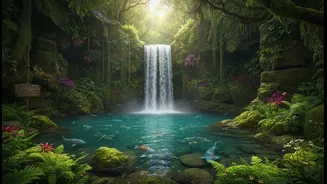
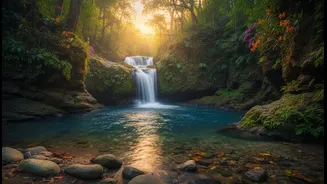
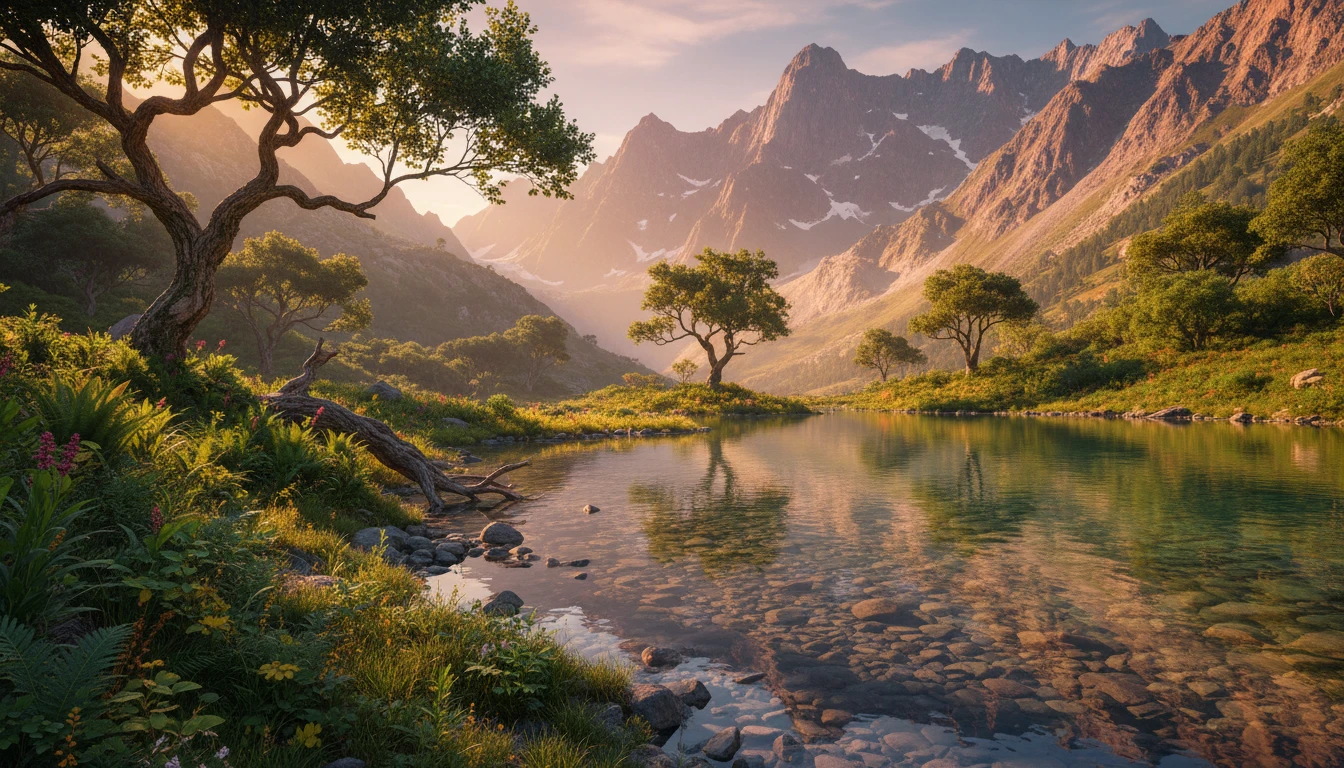
coordinates of a beautiful or sensitive location. It’s not about telling people they can’t go somewhere; it’s about refraining from turning a quiet, fragile spot into a viral trend by not geotagging a photo or broadcasting its location to millions on social media. Think of it less as locking a gate and more as choosing not to blast a quiet sanctuary with a megaphone. It's a response to a very modern problem: the power of social media to send overwhelming crowds to places that simply cannot handle the footfall.
The High Cost of a Single Geotag
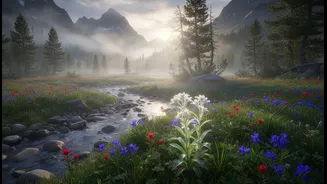
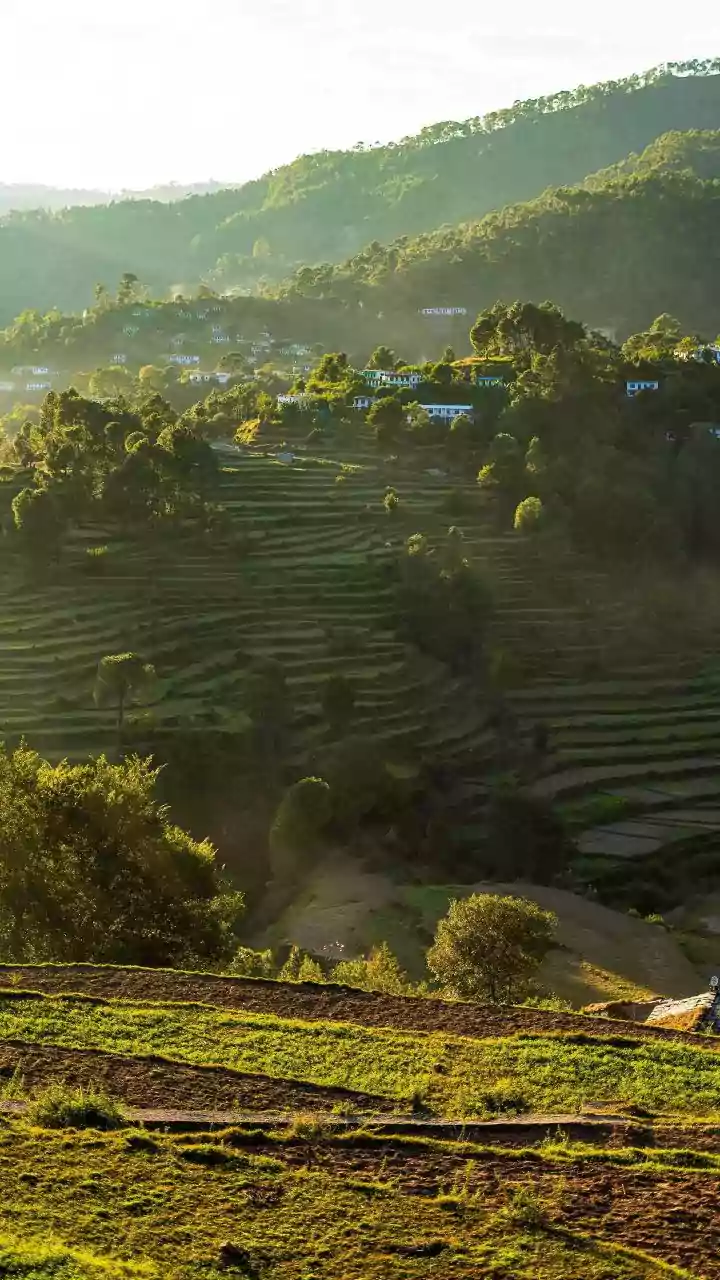
A single geotagged post can unleash a torrent of unintended consequences. We've seen it happen in India and across the globe. Once-serene spots in Goa, like the lanes of Fontainhas, have been transformed into chaotic backdrops for photoshoots, much to the frustration of residents. Hill stations like Shimla and Manali are choking under the strain of traffic, waste, and water shortages, with local authorities at times pleading with tourists to stay away. This phenomenon, known as overtourism, is directly linked to the ease of digital sharing. Fragile ecosystems in the Himalayas and coastal regions suffer from trail erosion, litter, wildlife disturbance, and the destruction of local culture. A viral photo of a poppy field in California once drew 100,000 people to a town of 50,000, with visitors trampling the very flowers they came to see. This isn't tourism; it's consumption, and it leaves a trail of destruction.
An Act of Stewardship, Not Elitism
The most common argument against gatekeeping is that it's elitist, hoarding public lands for a select few. But this argument misses the point. Public lands belong to everyone, which means everyone has a responsibility to protect them. The real elitism lies in treating a destination as a disposable backdrop for social media content, without any regard for its long-term health or the community that calls it home. True appreciation for nature involves more than just showing up to take a picture. It requires effort, research, and a willingness to explore. By not providing a precise geotag, we encourage a different kind of travel — one based on discovery rather than imitation. It filters for visitors who are more likely to appreciate a place and treat it with respect, simply because they had to work a little harder to find it.
How to Share Responsibly
Practising destination gatekeeping doesn't mean you can never post a beautiful travel photo again. It's about sharing with intention and care. Instead of tagging a specific, fragile waterfall, tag the broader national park or state. This inspires others to visit the region without funneling everyone to a single, vulnerable point. Use your post to educate others about Leave No Trace principles: pack out what you pack in, stay on marked trails, and respect wildlife. You can praise the local business that served you coffee or the guide who showed you the way, supporting the community without sacrificing the environment. The goal is to shift the focus from 'the shot' to the experience, promoting a type of travel that enriches both the visitor and the destination. As one travel blogger puts it, the aim is not exclusivity, but conservation.