



What Exactly is Microbial Protein?
Microbial protein, also known as Single-Cell Protein (SCP), is the protein-rich biomass harvested from microorganisms like yeast, fungi, or bacteria. If you’ve ever had nutritional yeast sprinkled on a dish or eaten a Quorn product, you’ve already had a form
of microbial protein. These tiny, single-celled powerhouses are incredibly efficient at growing and multiplying. Under the right conditions, their dry biomass can contain a protein content of 50% to 80%. More importantly, this protein is often of high quality, containing all the essential amino acids our bodies need, making it comparable to traditional sources like meat and eggs. Unlike crops or livestock, these microbes can be grown year-round, independent of climate, in a controlled environment.
The Journey from Waste to Superfood
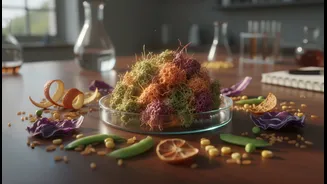
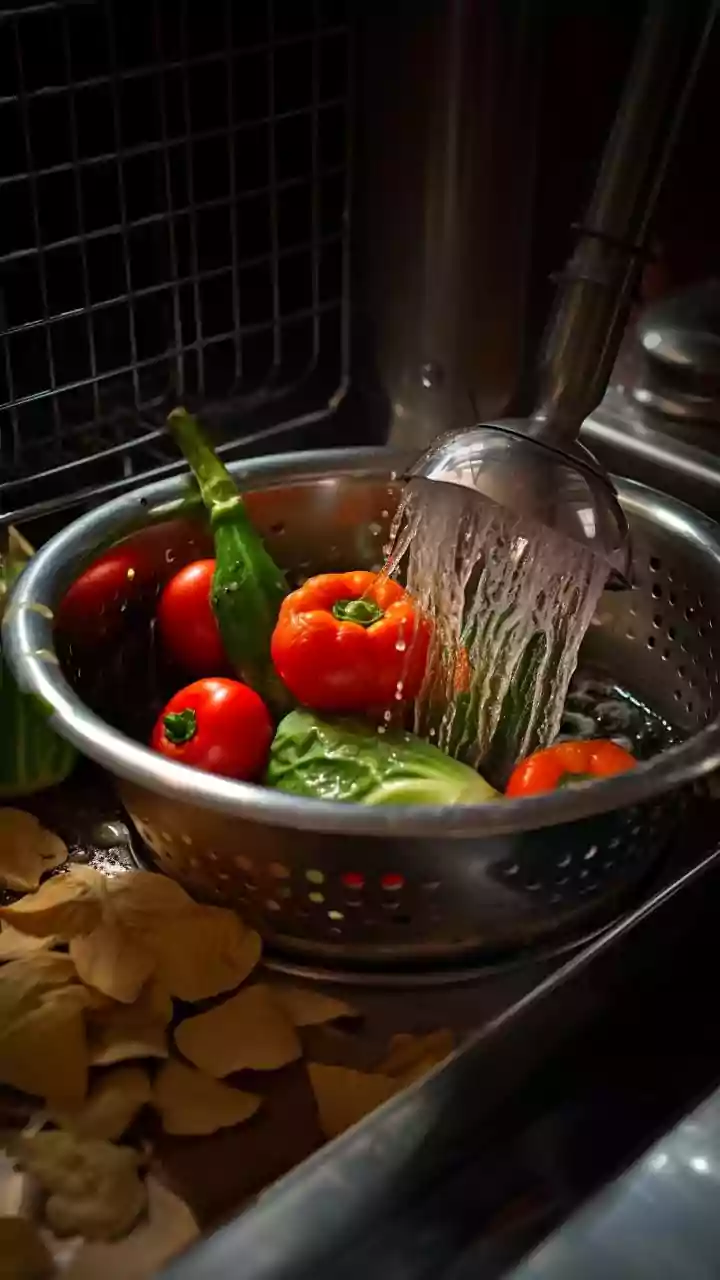
The process sounds complex but is based on the age-old principle of fermentation. It starts with collecting organic waste—think vegetable peels, fruit cores, leftover grains, and other food industry by-products that would otherwise end up in a landfill. This waste is pre-treated to make its nutrients accessible and then serves as the food, or 'feedstock', for the chosen microorganisms in a large container called a fermenter or bioreactor. The microbes feast on the sugars and nutrients in the waste, rapidly multiplying and building up their own protein-rich cells. After a period of fermentation, this biomass is harvested, separated from the remaining liquid, and processed to create a safe, flavourful, and nutrient-dense protein powder or paste.
The Rise of the Circular Kitchen
This technology is a game-changer for the concept of a 'circular kitchen'. In this model, waste is not an endpoint but a new beginning. Instead of food scraps contributing to overflowing landfills and greenhouse gas emissions, they are funnelled back into the food system as a valuable resource. Imagine restaurants, hotels, and even community canteens equipped with systems that convert their daily organic waste into protein for their own menus or for sale. This closes the loop, creating a self-sustaining system that is both economically and environmentally intelligent. It redefines waste as a resource, drastically reducing a kitchen's environmental footprint and creating value from something previously discarded.
An Answer to Affordable Nutrition
For a country like India, with its dual challenges of managing immense food waste and ensuring protein security for a growing population, this technology holds profound promise. Traditional protein sources like meat and dairy require vast amounts of land and water, contributing significantly to environmental strain. Microbial protein production, by contrast, uses a fraction of these resources. By leveraging low-cost or even negative-cost agricultural and food waste as feedstock, the final product can be made significantly more affordable than conventional animal protein. This could unlock a sustainable and scalable way to combat protein deficiency and improve nutritional outcomes across the country.
The Hurdles Ahead
Despite the enormous potential, the path from lab to dinner plate has its challenges. The primary obstacle is scaling up the technology from small-scale demonstrations to large, industrial operations in a cost-effective way. Ensuring absolute safety and consistency when using variable food waste as a feedstock is critical, requiring robust quality control and adherence to strict food safety regulations. Finally, there's the consumer. The final products must be tasty and texturally appealing, and companies will need to overcome any potential consumer reluctance to eat a food derived from 'waste'. However, as successful products like Quorn have shown, with the right branding and a delicious product, these barriers can be overcome.