







The vision of Goa often includes packed beaches and bustling nightlife, but this popular experience comes with a higher price tag. For a trip that’s kinder to your wallet and soul, look south to a more tranquil side of this coastal paradise.
The North Goa Hustle
When people
think of Goa, they often picture the vibrant, high-energy strip of North Goa, encompassing beaches like Baga, Calangute, and Anjuna. This region is the undisputed epicentre of tourism, known for its endless beach shacks pumping music, a dizzying array of water sports, bustling flea markets, and a nightlife that continues until dawn. While this constant buzz is a major draw for many, it comes at a premium. Accommodation, from hotels to guesthouses, often carries higher rates due to the demand. Dining out can also be more expensive, with restaurants and shacks catering to a mass-market tourist crowd. Even transport between these popular spots can add up, as the roads are frequently clogged with traffic. The experience is undeniably lively, but it can also feel overwhelming and, for the budget-conscious traveller, financially draining. The constant commercial activity means you are always a few steps away from another transaction, whether it's for a sunbed, a jet ski ride, or an overpriced cocktail.
The Serene Alternative: Agonda Beach
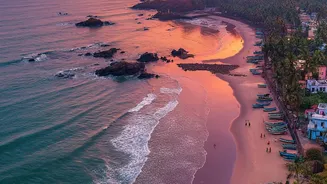
Just an hour or two south lies a completely different world. Agonda Beach offers a welcome respite from the northern chaos. Known for its long, pristine stretch of sand, calm waters, and a decidedly laid-back vibe, Agonda is a haven for those looking to unwind. The beach is also a protected nesting site for Olive Ridley turtles, which has helped limit large-scale commercial development and preserve its natural charm. Here, the soundtrack is the gentle lapping of waves rather than loud music. Accommodation largely consists of rustic beach huts and family-run guesthouses, which are significantly more affordable than the concrete hotels of the north. You can find comfortable, clean, and charming places to stay right on the beach for a fraction of the cost. The dining scene follows a similar pattern, with cosy beach shacks serving fresh seafood and authentic Goan cuisine at local prices. The focus in Agonda is on relaxation, yoga, swimming, and simply soaking in the serene atmosphere, all of which cost nothing at all.
Deeper South: The Untouched Calm of Galgibaga
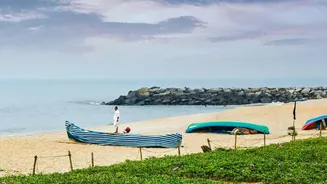
For travellers seeking ultimate tranquility and even greater savings, Galgibaga Beach is a hidden gem. Located in the far south of Goa, it is one of the state's cleanest and least commercialised beaches. Like Agonda, Galgibaga is a designated turtle nesting site, and the conservation efforts here are even more stringent. This means development is minimal; you will not find rows of shacks or vendors here. Instead, you get a stunning, almost-private coastline fringed with palm trees. This is the place to truly disconnect from the tourist trail. Accommodation options are limited to a few homestays and very basic guesthouses run by local families, offering an authentic and incredibly affordable experience. Food is typically enjoyed at these homestays or the one or two small, local eateries, where you can taste home-cooked Goan food at its best. A trip to Galgibaga is about appreciating nature in its purest form. The money you save is a byproduct of the beach's pristine, undeveloped character, making it the perfect destination for the true budget traveller and peace-seeker.
How the Savings Truly Add Up
The financial benefits of choosing quiet southern beaches over the bustling north are clear and cumulative. Your biggest saving will almost always be on accommodation; a simple but beautiful beach hut in Agonda or a homestay in Galgibaga can cost less than half the price of a comparable hotel room in Baga. Food is the next major area of savings. By frequenting smaller, family-operated shacks and restaurants, you not only enjoy more authentic flavours but also significantly lower bills. An entire meal for two in the south can often cost what a single main course does at a trendy northern spot. Finally, consider the cost of activities. In North Goa, the temptation to spend on water sports, club entry fees, and shopping is constant. In the south, the primary activities are swimming, sunbathing, reading, and walking along the shore—all of which are free. Your daily spend automatically plummets when your environment encourages relaxation over consumption.