





The Parsi Art of Flavour
Parsi cuisine is a delightful tapestry woven from Persian roots and Gujarati influences. A hallmark of this culinary tradition is the masterful balance of 'khattu mithu', the trinity of sweet, sour, and spicy flavours. This philosophy doesn't just apply
to their famed meat dishes; it extends to vegetables, elevating them from simple sides to stars of the meal. Ingredients like vinegar, jaggery or sugar, and a complex blend of spices are used to create a layered and unforgettable taste profile that is distinctly Parsi. This approach is what takes a familiar vegetable like kathal and turns it into something extraordinary.
The Secret to a Surprising Texture
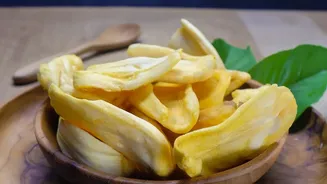
The headline promises a different texture, and the secret lies in a two-step cooking process that many Parsi vegetable preparations, including stews, employ. First, the jackfruit pieces are fried. This initial step is crucial. Frying the kathal until it's golden brown gives the exterior a slight crispness and a firmer bite, preventing it from turning mushy when it's later simmered in the gravy. It also helps the vegetable to caramelise, deepening its natural flavour. This method ensures that each piece of jackfruit maintains its integrity, offering a satisfying, meaty texture that stands up beautifully to the rich, aromatic sauce.
Ingredients for Parsi Kathal
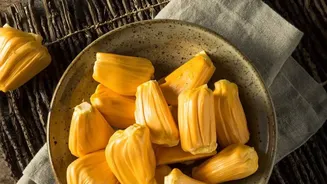
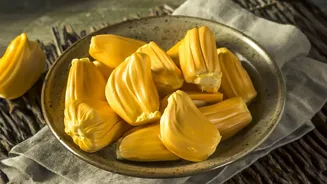
To create this dish, you will need about 500 grams of raw kathal (jackfruit), chopped into pieces. For the base masala, you’ll need two large onions, thinly sliced; three large tomatoes, pureed; and a paste made from one inch of ginger and four to five cloves of garlic. The spice blend is key: gather one teaspoon of cumin seeds, one teaspoon of turmeric powder, red chilli powder to your taste, one teaspoon of coriander powder, and one teaspoon of garam masala. For the signature 'khattu mithu' flavour, you'll need one tablespoon of jaggery or sugar and two tablespoons of vinegar. Of course, you’ll also need oil for frying and salt to taste.
Step-by-Step Method
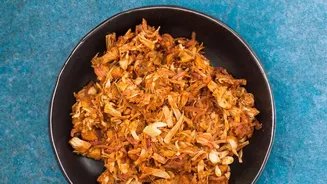
Start by preparing the jackfruit. If you're using fresh kathal, be sure to oil your hands and knife to handle the sticky sap. In a wok or deep pan, heat enough oil to fry the kathal pieces until they are golden brown and slightly crisp. Remove them with a slotted spoon and set them aside on a paper towel. In the same pan, using about two tablespoons of oil, add the cumin seeds. Once they crackle, add the sliced onions and fry until they are well-caramelised. Add the ginger-garlic paste and sauté for another minute until fragrant. Now, add the tomato puree and cook for a few minutes before adding the powdered spices: turmeric, red chilli, and coriander powder. Stir well and cook until the oil begins to separate from the masala. Add the fried jackfruit pieces back into the pan, along with salt, and mix gently to coat everything in the masala. Pour in about a cup of water, the vinegar, and the jaggery. Stir everything together, cover the pan, and let it simmer on a low flame for about 15-20 minutes, or until the kathal is tender and the gravy has thickened to a glossy consistency. Finish by sprinkling garam masala over the top before serving.