





The Squeeze on Kitchens
The pressure on Indian restaurants is immense and multifaceted. At the heart of the issue is persistent food inflation. In June 2026, food inflation accelerated to 5.32%, marking the fourth straight month of rising costs. This isn't just a number; it
translates to tangible price hikes on kitchen staples. Key ingredients have seen dramatic surges, with items like ginger jumping by over 50% and tomatoes by nearly 32% year-on-year. The price of eggs and meat has also hit a five-month high, adding another layer of pressure, especially for non-vegetarian establishments. Beyond ingredients, operational costs are soaring. A sharp increase in the price of commercial LPG cylinders has been a significant blow, forcing many restaurants to either absorb the cost, which erodes already thin margins, or pass it on to consumers. Some reports indicate that operating costs for restaurants have jumped by nearly 20% when factoring in fuel, logistics, and staff salaries. This perfect storm of expenses means restaurateurs are battling to keep their businesses viable.
The Shrinking Plate Phenomenon
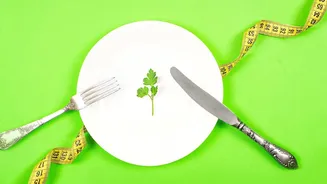
When faced with rising costs, the most obvious solution is to hike menu prices. However, restaurants are wary of scaring away price-sensitive customers. This has led to the widespread adoption of a more subtle strategy: shrinkflation. This is where the portion size of a dish is reduced, but the price remains the same. That bowl of dal might seem a little less full, or you might find one fewer piece of paneer in your curry. It’s a delicate balancing act for chefs, who aim to provide just enough to satisfy without making the reduction too obvious or leaving a customer feeling cheated. While standard portion sizes for main courses in Indian and Chinese restaurants are typically designed for sharing, these are now being re-evaluated. For consumers, this can be frustrating. Surveys have shown that a majority of diners have noticed price hikes at both street food stalls and restaurants, with a significant number feeling the pinch.
Maximising Every Gram
The concept of 'yield' has become a critical part of kitchen vocabulary. Yield refers to the usable amount of an ingredient after preparation. For example, how much usable flesh do you get from a whole chicken or a kilogram of potatoes after peeling and trimming? With ingredient costs soaring, chefs are now under immense pressure to maximise yield and minimise waste. Food waste is a direct loss of revenue; a restaurant can lose 2-4% of its total revenue just from food that is purchased but never sold. This has led to innovative kitchen practices. Chefs are choosing vegetables that have less wastage, finding creative uses for off-cuts, and standardising recipes to ensure every gram of an expensive ingredient is accounted for. This intense focus on efficiency helps control the food cost percentage—the ratio of ingredient cost to menu price—a key metric for any restaurant's financial health.
Menu Engineering for Survival
The modern restaurant menu is far more than a list of dishes; it's a carefully crafted sales tool. This practice, known as menu engineering, uses data on a dish's popularity and profitability to influence customer choices. In today's climate, it has become an essential survival strategy. Restaurants classify their dishes into categories: 'Stars' (high profit, high popularity), 'Plowhorses' (low profit, high popularity), 'Puzzles' (high profit, low popularity), and 'Dogs' (low profit, low popularity). The goal is to draw a customer's eye towards the Stars and Puzzles. This is achieved through psychological tactics like placing high-margin items in the top-right corner of the menu, using descriptive language to make them more appealing, or removing currency symbols to reduce price sensitivity. Some restaurants might also introduce a 'decoy' dish—an extremely expensive item that makes other high-margin dishes look more reasonably priced in comparison.