





What Exactly Is a Shampoo Bar?
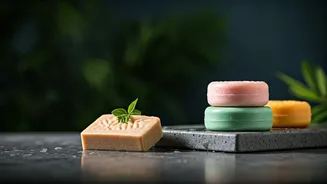
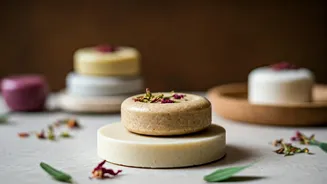
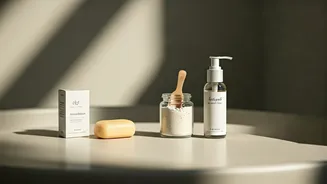
A shampoo bar is a solid, concentrated version of liquid shampoo. [16] It looks like a bar of soap but is formulated specifically for your hair with cleansing and nourishing ingredients. [8] Unlike liquid shampoos, which can be up to 80% water, shampoo bars
are packed with the good stuff and none of the filler. [6, 20] This concentrated formula means a little goes a long way, and they are typically free from harsh chemicals like sulfates and parabens that are often found in bottled shampoos. [4, 23]
The Eco-Friendly Advantage
The primary appeal of shampoo bars is their significant environmental benefit. [14] First and foremost, they eliminate the need for plastic bottles, a major contributor to landfill waste and ocean pollution. [11, 21] One shampoo bar can replace two to three plastic bottles, saving dozens of bottles per household each year. [10, 22] Because they are waterless, they are also lighter and more compact to ship, resulting in a smaller carbon footprint from transportation. [3, 10, 22] The manufacturing process itself uses less water compared to their liquid counterparts. [6, 15] Many are sold in minimal, biodegradable, or recyclable cardboard packaging, furthering their zero-waste credentials. [11]
How to Use and Store Your Bar
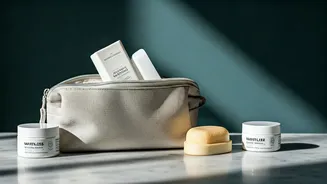
Using a shampoo bar is simple, though it might take a couple of washes to get used to. First, wet your hair thoroughly. [5, 9] You can either rub the wet bar between your hands to create a lather and then apply it to your hair, or you can rub the bar directly onto your scalp in a few circular motions. [9, 13] Massage the lather into your scalp and hair as you would with liquid shampoo, then rinse thoroughly. [5] Proper rinsing is key to avoid any residue. [5, 18] To make your bar last as long as possible—often 60 washes or more—it's crucial to keep it dry between uses. [10, 14] Store it on a draining soap dish or in a breathable bag, away from standing water. [9, 18]
Choosing the Right Bar for Your Hair
Just like liquid shampoos, bars are formulated for different hair needs—from oily and dry to curly and colour-treated. [18, 23, 26] When choosing a bar, look for one that is pH-balanced to avoid disrupting your scalp's natural state. [4, 12] Soap-based bars can sometimes have a high pH that lifts the hair cuticle, potentially causing tangles or a waxy feeling, especially in hard water areas. [2, 24] For this reason, many prefer soap-free or 'syndet' bars, which use gentle, pH-balanced cleansers. [4, 24] In India, the market is growing, with many local brands offering herbal and Ayurvedic formulations that cater to specific hair concerns. [27, 29]
The Potential Downsides to Consider
While the benefits are many, there can be a transition period when you first switch. [2] Your hair might feel different—waxy, heavy, or extra oily—for a week or two as your scalp adjusts its oil production after years of using detergent-based liquid shampoos. [9] This adjustment phase is normal. As mentioned, using a bar in hard water can sometimes leave residue if it's a soap-based formula. [2, 17] Finally, while the initial cost might be higher than a bottle of drugstore shampoo, they are often more economical in the long run because they last much longer. [10, 16]