


Kedarkantha Trek, Uttarakhand
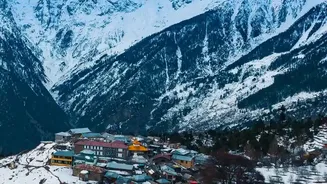
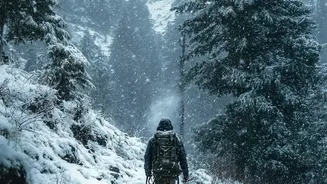
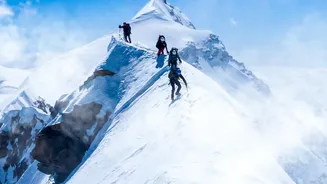
Often called the 'Queen of Winter Treks', Kedarkantha is one of India's most popular choices for beginners looking for a true summit experience. Located in the Govind Wildlife Sanctuary, this trek offers a journey through dense pine and oak forests, past
the frozen Juda Ka Talab lake, and up to a peak at 12,500 feet. The reward is a stunning 360-degree panorama of Himalayan giants like Swargarohini and Bandarpoonch. Typically a six-day trip from Dehradun, the trail is well-established and doesn't require technical skills, making it an ideal first snow trek. The reliable snowfall from December to March ensures a magical winter landscape.
Dayara Bugyal Trek, Uttarakhand
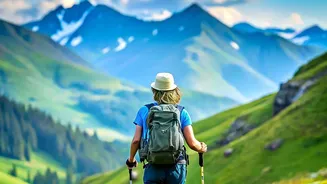
If your dream is to walk across vast, rolling meadows covered in a soft blanket of snow, Dayara Bugyal is the trek for you. Considered one of the most beautiful high-altitude meadows in India, it's exceptionally beginner and family-friendly. The trek usually starts from the village of Raithal and involves a gradual climb through beautiful oak forests before the landscape opens up dramatically. At an altitude of around 12,000 feet, you get spectacular views of major peaks without an overly strenuous climb, making it a trek with lesser effort and greater rewards.
Sandakphu Phalut Trek, West Bengal
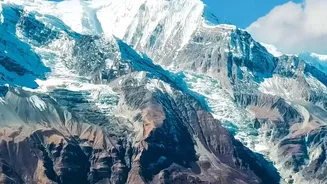
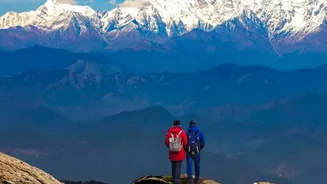
For those whose ultimate goal is a grand mountain vista, the Sandakphu trek in West Bengal is unparalleled. From its highest point, it offers views of four of the world's five highest peaks: Everest, Kanchenjunga, Lhotse, and Makalu. While the trek can be done for much of the year, winter brings exceptionally clear skies and a dramatic, cold environment. The route, often starting from Manebhanjan, takes you along the border of India and Nepal. It's a longer trek, typically around 6-7 days, and the cold can be intense, with temperatures dropping well below freezing, but the scenic payoff is considered one of the best in the Himalayas.
Chadar Trek, Ladakh
The Chadar Trek is not for the faint of heart; it's one of India's most unique and challenging winter expeditions. This trek involves walking on the frozen surface of the Zanskar River in Ladakh, where temperatures can plummet to -30°C. 'Chadar' means 'blanket', referring to the sheet of ice that covers the river. This is a difficult, high-altitude adventure that requires mandatory acclimatization in Leh and a medical check-up before you can begin. The reward is an otherworldly experience, trekking through a dramatic gorge with frozen waterfalls and icy cliffs, a true test of endurance and spirit.
The Logic of Layering
No matter which trek you choose, staying warm is about more than just a single thick jacket. The secret is layering, a system of wearing multiple garments that work together to manage sweat, trap heat, and protect you from the elements. When you exert yourself while climbing, you sweat. If that sweat stays on your skin or soaks your clothes, it will make you dangerously cold the moment you stop moving. A smart layering system allows you to add or remove clothing to regulate your body temperature, keeping you dry and comfortable across changing conditions.
Your First Layer: The Base
The base layer is what you wear directly against your skin. Its only job is to wick moisture away from your body to keep you dry. This is the most critical part of staying warm. Look for materials like synthetic polyester or merino wool. Never wear cotton as a base layer; it absorbs moisture and loses all its insulating properties, leaving you wet and cold.
Your Second Layer: The Mid-Layer
The mid-layer is your insulation. Its purpose is to trap the body heat you generate. This is typically a fleece jacket or a 'puffy' jacket insulated with down or a synthetic fill. Fleece is reliable and insulates even when damp, while down offers the best warmth for its weight in dry, cold conditions. On many treks, you might carry two mid-layers: a lighter fleece for when you're walking and a thicker puffy jacket to put on immediately during rest stops.
Your Final Layer: The Shell
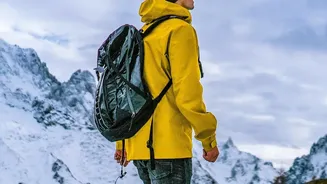
The outer layer, or shell, is your protection from wind, snow, and rain. This should be a waterproof and windproof jacket with little to no insulation of its own. Its job is to shield your insulating mid-layers from the elements so they can do their job of keeping you warm. By blocking the wind, a good shell prevents convective heat loss, which is crucial for comfort and safety at high altitudes.