





Understanding Speciality Tea
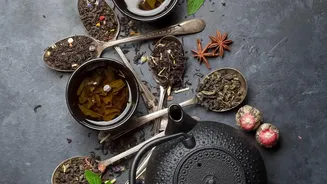
Before you start shopping, it helps to know what “speciality tea” means. Broadly, it refers to high-quality loose-leaf tea, often sourced from specific regions or single estates, where the focus is on craftsmanship and unique flavour. Unlike mass-market
tea bags, which are blended for consistency, speciality teas celebrate the distinct character of the leaves. They tell a story about their 'terroir'—the soil, climate, and altitude where they were grown. This is why two teas from different places can taste remarkably different, even if they are processed in the same way.
Start with Origin: A Sense of Place
The most fundamental way to organise your tea exploration is by origin. A tea’s flavour is deeply connected to where it is grown. For Indian tea lovers, the best place to start is close to home. The “big three” Indian regions offer a fantastic spectrum of tastes. Assam, in the hot, humid lowlands, produces bold, malty black teas that are perfect with a splash of milk. Darjeeling, from the Himalayan foothills, is lighter and more aromatic, often called the “champagne of teas” for its delicate, complex notes. The Nilgiri mountains in Southern India produce fragrant, balanced teas that are wonderfully brisk. Exploring these single-origin teas helps you build a baseline palate and understand what pure, unblended tea from a specific place tastes like.
Decode the Ingredients: The Art of the Blend
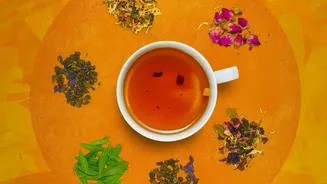
Once you have a feel for single-origin teas, you can venture into the world of blends. Blended teas mix leaves with other ingredients to create a specific flavour profile. This is where a little knowledge of ingredients goes a long way. For a comforting, spiced brew, look for blends with classic Indian masala spices like cinnamon, cardamom, ginger, and cloves. For something lighter and more fragrant, floral ingredients like rose, jasmine, or chamomile offer a soothing experience. Fruity notes are often added through dried lemon peel, orange, or apple pieces. Understanding these components allows you to predict how a tea will taste and choose blends that align with your personal preferences, whether you want something warming, refreshing, or calming.
Create Your Shopping Plan
Now, combine your knowledge of origin and ingredients to build a shopping list. A great way to start is the “One, One, One” method. First, pick one classic single-origin tea from a famous Indian region like Assam or Darjeeling to appreciate its pure character. Second, choose one single-origin tea from a different country to broaden your horizons—perhaps a grassy Japanese Sencha or a toasty Chinese Oolong. Third, select one blend that appeals to your mood, focusing on its ingredients. This could be a spicy Masala Chai for warmth or a floral green tea for a gentle lift. This structured approach ensures you build a varied and interesting collection without getting overwhelmed. Always try to buy small quantities first; it's a great way to explore without committing to a large amount of a tea you might not enjoy.
Refine Your Palate and Enjoy the Journey
Building a tea collection is a personal journey, not a test. As you taste different teas, pay attention to what you like. Do you prefer the bold, robust flavours of Assam or the delicate, floral notes of a first-flush Darjeeling? Do you enjoy the zing of ginger or the softness of rose petals in your blends? Keeping a small notebook or using a notes app to jot down your thoughts on each tea can be helpful. Over time, you'll develop a deeper understanding of your own palate. This will make future shopping trips more focused and enjoyable, transforming them from a guessing game into a confident exploration of flavour.