


Indian Green Chutney: The Versatile Classic
Arguably the most famous fresh coriander blend, green chutney, or 'hari chutney', is a cornerstone of Indian cuisine. This vibrant, raw sauce is incredibly versatile, serving as a cooling dip for samosas and pakoras, a zesty spread for sandwiches, and a flavour-booster
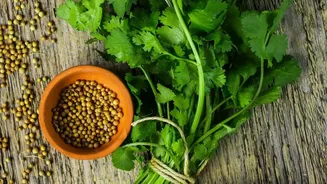
for chaat. To make it, blend a large bunch of fresh coriander (leaves and tender stems) with a smaller amount of mint leaves, green chillies to your preferred heat level, a knob of ginger, garlic, and a generous squeeze of lemon juice. A pinch of salt and roasted cumin powder rounds out the flavour. The consistency can be adjusted with a splash of water for a smooth, pourable sauce. For an even creamier texture, some versions include a spoonful of yogurt.
Yemeni Zhoug: A Fiery, Aromatic Paste
Hailing from Yemen and popular across the Middle East, zhoug is a fiery and intensely aromatic green sauce where coriander is the star. It has a wonderfully complex flavour profile that balances the heat of green chillies with the warmth of spices. Traditionally made in a mortar and pestle, you can easily replicate it in a food processor. Combine a large quantity of fresh coriander with green chillies, several cloves of garlic, and ground spices like cumin and cardamom. A good quality olive oil is then blended in to create an emulsified sauce, along with lemon juice or vinegar for a bright, acidic kick. Zhoug is a fantastic condiment for grilled meats, falafel, roasted vegetables, or simply swirled into hummus.
Thai Green Curry Paste: A Fragrant Foundation
While store-bought paste is convenient, homemade Thai green curry paste offers an unparalleled depth of flavour, and fresh coriander—including the flavourful stems and roots—is a key ingredient. This blend is not a finished dish but a powerful base for curries, soups, and marinades. To create the paste, you'll blend fresh coriander with a host of aromatic ingredients. Essential components include lemongrass, galangal (a cousin of ginger), garlic, shallots, makrut lime leaves, and, of course, plenty of green chillies. Spices like toasted coriander and cumin seeds add another layer of complexity. The resulting paste is a fragrant, spicy, and earthy foundation that, when combined with coconut milk, creates the iconic Thai green curry.
Coriander Chimichurri: A Latin-Inspired Twist
Traditional Argentinian chimichurri is parsley-based, but a version that heavily features or substitutes fresh coriander has become a popular and delicious variation. This uncooked sauce is fresh, tangy, and perfect for cutting through the richness of grilled meats like steak. To make this version, finely chop a large bunch of fresh coriander, along with some parsley if you wish. Combine it with minced garlic, dried oregano, red pepper flakes for a touch of heat, red wine vinegar, and a good amount of extra virgin olive oil. Unlike blended pastes, chimichurri is typically hand-chopped to maintain a pleasant texture where each ingredient can be tasted. Let the flavours meld for at least an hour before serving.
Finishing Masala: A Simple, Fresh Sprinkle
Not all spice blends need to be wet pastes or complex rubs. A simple, dry-ish finishing masala using fresh coriander can elevate a dish right before serving. This approach adds a final burst of fresh, herbaceous flavour and a pleasing texture. To create this, finely chop a handful of fresh coriander leaves. In a dry pan, lightly toast some cumin seeds until fragrant, then roughly crush them. Combine the chopped coriander with the toasted cumin, a sprinkle of chaat masala for tang, and a pinch of black salt (kala namak). This blend is wonderful sprinkled over yogurt raitas, fresh salads, lentil dishes (dal), or finished chaat preparations, adding an instant layer of brightness and aroma just before the dish reaches the table.