




The Science of Spoilage
The main culprit behind rapid food decay during the monsoon is the high humidity. Warm, moist air encourages the growth of microorganisms like bacteria, yeast, and mould, which thrive in these conditions. These microbes break down food, leading to changes
in texture, flavour, and safety. Dry foods like crackers and biscuits absorb moisture from the air and become soggy, while fresh produce with high water content spoils even quicker. Every time you open a container or the refrigerator, you let in more humid air, accelerating this process.
Leafy Green Vegetables
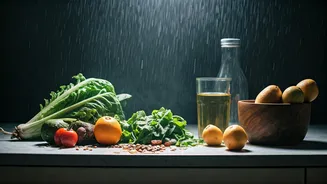
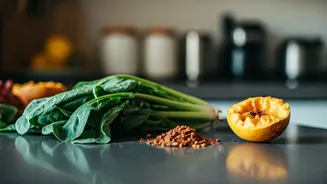
Spinach, coriander, and other leafy greens are notorious for wilting and rotting quickly during the rainy season. Their delicate leaves trap moisture, which leads to rapid bacterial growth and decay. It is best to buy them in smaller quantities during this season. To extend their life, avoid washing them until just before use. If you must wash them beforehand, ensure they are thoroughly dry. A good storage method is to wrap the unwashed greens in paper towels to absorb excess moisture and then place them in a breathable bag in the refrigerator.
Bread and Baked Goods
Bread is one of the first items to show signs of spoilage in a humid kitchen. The moist, porous structure of bread is an ideal environment for mould spores, which are ever-present in the air, to land and multiply. You might notice green or black fuzzy spots appearing much sooner than usual. During the monsoon, it is wise to store bread in the refrigerator or even the freezer to inhibit mould growth. While refrigeration can make bread a bit dry, a quick toast will easily revive it.
Spices and Flours
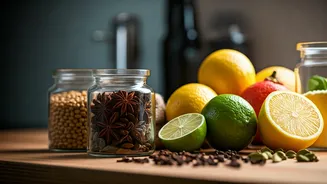
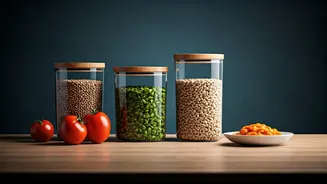
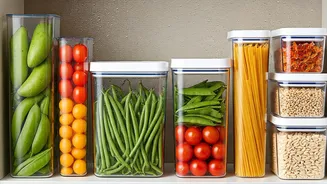
Dry goods are not immune to the monsoon's effects. Humidity can cause powdered spices and flours to clump together, lose their aroma, and even develop mould. This happens as the dry powders absorb moisture directly from the atmosphere. The best defence is using truly airtight containers; glass or steel jars are often better than plastic. For extra protection, you can lightly roast items like semolina (rava) and flour before storing to remove any latent moisture. Adding a few bay leaves or dried neem leaves to your flour and grain containers can also help deter pests.
Milk and Dairy Products
Perishables like milk, paneer, and yogurt are already sensitive, but the monsoon makes them spoil even faster. High humidity encourages the bacteria that cause dairy to turn sour and curdle. Milk may need to be boiled more frequently, even if refrigerated. Paneer should be stored in water in a sealed container in the fridge and used within a day or two, changing the water daily. Because dairy products may not show obvious signs of spoilage until they are already unsafe, it is crucial to buy them in smaller quantities and consume them quickly.
Cooked Rice and Leftovers
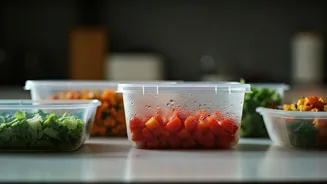
A bowl of cooked rice left on the counter is particularly risky during the monsoon. It can contain spores of a bacterium called Bacillus cereus, which can survive cooking. In warm, humid weather, these spores multiply and produce toxins that are not destroyed by reheating. All leftovers, especially coconut-based curries and dals, have a much shorter shelf life. Cool leftovers quickly and refrigerate them in airtight containers within an hour. As a rule, aim to consume all leftover food within 24 hours.