




Kachampuli: The Sour Heart of Coorg
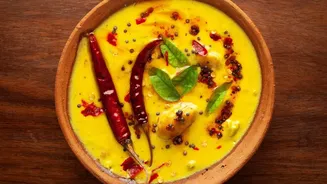
Deep in the verdant hills of Coorg, Karnataka, the Garcinia gummi-gutta fruit yields a dark, viscous vinegar known as Kachampuli. Often called Coorg's answer to balsamic vinegar, this potent souring agent is the soul of the region's most iconic dish:
Pandi Curry. While pork is the star, it is the sharp, smoky, and slightly sweet tang of kachampuli that cuts through the richness of the meat, creating a perfectly balanced and unforgettable flavour. Unlike tamarind or lime, kachampuli has a deeper, more complex earthiness. This ingredient is a staple in Kodava kitchens, used to preserve and flavour meats, but its fame is intrinsically tied to the rich, dark gravy of Pandi Curry.
Gucchi: The Himalayan Forest Treasure
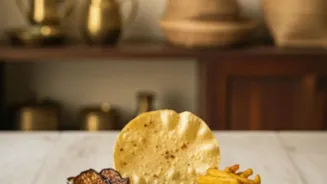
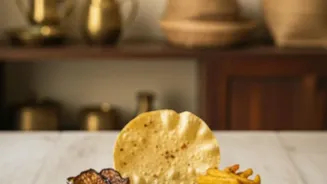
Morel mushrooms, known locally as 'Gucchi', are a rare and expensive delicacy foraged from the forests of Kashmir and Himachal Pradesh. Appearing only for a short period after spring thunderstorms, these wild mushrooms, with their distinctive honeycomb-like caps, are prized for their intense, smoky, and nutty flavour. Their most celebrated culinary expression is the Gucchi Pulao, a luxurious rice dish where the morels are the undisputed hero. The soaking water from the dried mushrooms creates an umami-rich broth that infuses every grain of basmati rice with a profound, earthy aroma, turning a simple pulao into a dish fit for a celebration.
Lingri: The Curled Fern of the Mountains
During the monsoon, the Himalayan foothills of Himachal Pradesh and Uttarakhand offer up a unique vegetable: Lingri, or fiddlehead ferns. Harvested while still young and tightly coiled, these ferns have a crisp texture and a flavour often compared to a mix of asparagus and green beans. Known as 'lungdu' in the Kangra Valley and 'niyuro' in Sikkim, they are a foraged gem. The most common preparation is Lingri ki Sabzi, a simple stir-fry where the ferns are cooked with basic spices like turmeric, cumin, and chillies, allowing their fresh, wild taste to shine. Though a gourmet item elsewhere in the world, in these mountains, it's a seasonal comfort food.
Bhoot Jolokia: The Flavourful Fire of the Northeast
Famous globally for its blistering heat, the Bhoot Jolokia or Ghost Pepper from Northeast India is more than just a fiery challenge. In the cuisines of Assam, Nagaland, and Manipur, it is used judiciously to impart a unique, smoky, and almost fruity flavour to dishes. Beyond the Scoville scale lies a complex taste profile that enhances everything from pickles and chutneys to rich meat curries. A small amount added to a pork or chicken curry not only adds a formidable kick but also a distinctive aromatic quality that is impossible to replicate with any other chilli. It’s a lesson in how the world’s hottest pepper is used not for shock value, but for its flavour.
Chak-Hao: The Forbidden Rice of Manipur
Chak-Hao, the aromatic black rice of Manipur, was once so prized it was known as 'forbidden rice', reserved only for royalty. Today, this GI-tagged grain is celebrated for its nutty flavour and stunning appearance. When cooked, it turns a deep, dramatic purple. Its most beloved form is Chak-Hao Kheer, a creamy pudding where the rice is simmered in milk until tender. The dessert is not just visually striking but also has a unique, slightly chewy texture and an earthy aroma that sets it apart from any other rice pudding. It's a dish that beautifully showcases how a single, special ingredient can define a regional classic.
Teppal: The Numbing Spice of the Konkan Coast
Often mistaken for black pepper, Teppal or Tirphal is a key ingredient in Goan and Konkani cuisine. It is the dried berry of a variety of Sichuan peppercorn and provides not heat, but a unique tingling, numbing sensation on the tongue. This distinct quality is essential in coastal dishes like Goan Mackerel Curry. The teppal’s citrusy aroma and mild numbing effect cut through the richness of the coconut-based gravy, balancing the flavours and lifting the entire dish. It is almost always added towards the end of cooking and is discarded before eating, having already imparted its signature, electrifying character.
Gondhoraj Lebu: The Aromatic King of Bengali Limes
The Gondhoraj Lebu, or 'king of limes', is revered in Bengali kitchens not for its juice, but for its intensely fragrant rind. This oblong, thick-skinned lime has a perfume that is a mix of citrus and floral notes, unlike any other lime. Its zest or a few leaves can transform a simple dish into something extraordinary. It is the defining flavour in dishes like Gondhoraj Murgi (a light chicken curry) and is often squeezed over a simple moong dal at the end of cooking. The aroma, more than the sourness, is what makes this ingredient a non-negotiable part of the Bengali culinary identity.
Kalari: The Squeaky Cheese of Jammu
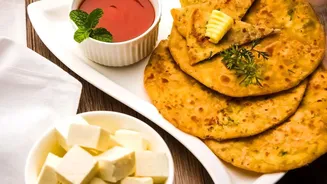
Kalari is a traditional, dense, stretchy cheese from the Udhampur district of Jammu, often called the 'mozzarella of Jammu'. Made from cow or buffalo milk, this ripened cheese has a firm, rubbery texture when raw but transforms when cooked. Typically, it's sautéed in its own fat until it develops a crisp, brown crust on the outside while the inside becomes soft, gooey, and molten. Its most popular avatar is the Kalari Kulcha, a beloved street food where the hot, pan-fried cheese is stuffed into a soft kulcha, often with onions and chutney. This indigenous cheese is a testament to the unique dairy traditions of the Dogra community.