







Aligning AI with Your Brain's Clock
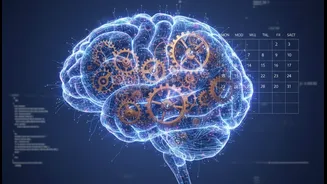
The concept of chronobiology, or the study of our internal biological clocks, shows that our cognitive abilities fluctuate throughout the day. Most people experience a cycle of peak, trough, and recovery periods. Emerging research and productivity strategies
suggest that matching the type of AI-assisted task to these natural energy rhythms could be a game-changer for getting things done. Instead of treating AI as a constant assistant, you can use it as a specialised tool, deployed at the moment your brain is best equipped for a certain kind of work. This strategic approach helps combat the risk of 'cognitive offloading,' where over-reliance on AI can weaken our own critical thinking skills. The goal is to use AI as a collaborator, not a crutch.
Morning: A Partner for Creative Work
For many, mornings are a time of peak mental clarity and creativity. This makes it the ideal window for leveraging AI as a brainstorming partner. Use generative AI tools to explore new ideas, outline complex projects, or overcome writer's block. One student, for example, described using AI to break down a large paper into smaller milestones like topic selection and outlining. Because your analytical skills are sharp, you can critically evaluate the AI's suggestions, guiding it toward more innovative outcomes. By prompting AI to help with creative and deep work in the morning, you align the tool’s capabilities with your brain’s natural state of high performance. This active, deliberate use of AI enhances your output without letting the tool do all the thinking.
Afternoon: An Engine for Tedious Tasks
The dreaded afternoon slump is a real phenomenon, often marked by lower energy and difficulty concentrating. This is the perfect time to offload structured, repetitive, and analytical tasks to your AI assistant. Use it to summarise long reports, analyse data sets, manage your email inbox, or polish a draft you wrote in the morning. This strategy is sometimes called 'energy-based scheduling'. By automating the low-value, high-frequency tasks during your personal energy trough, you conserve mental resources for when they matter most. Some AI tools can even help automate scheduling and calendar management, freeing you from administrative burdens when your focus is waning.
For Students: Finding the Study Sweet Spot
Students are also finding that timing is everything. Studies show that while AI can make the learning process faster, an over-reliance on it can lead to worse grades and diminished critical thinking. The key is balance. AI can be an excellent tool for organising a study schedule, breaking down assignments, and prioritising tasks based on deadlines and difficulty. A smart approach is to use AI to build the plan, but to engage in the deep learning yourself. For example, use AI to create a realistic schedule with built-in breaks, but resist the urge to have it simply provide direct answers. Experts suggest using AI as a tutor that explains concepts and asks follow-up questions, which encourages deeper understanding rather than passive consumption.
The Risk of Constant Connection
While scheduling AI use can boost productivity, researchers also warn about the potential for work intensification. One study found that because AI makes it easy to start tasks, work began seeping into moments that used to be breaks, like lunch or evenings. This can create a denser, more cognitively demanding workday where humans and machines are constantly in motion. Furthermore, some AI services have usage limits that are reached more quickly during peak weekday morning hours. Strategically using AI during off-peak times, like evenings or weekends for planning, could not only align with your energy levels but also help you avoid getting locked out of the service when you need it most.