



The Environmental Cost of Clay
The most common type of clumping cat litter is made from sodium bentonite clay. This material is incredibly effective at absorbing moisture and forming hard clumps, which makes scooping easy. However, its convenience comes at a significant environmental
price. Bentonite clay is extracted through strip mining, a process that involves removing entire layers of topsoil and rock to access the clay deposits underneath. This practice can devastate local ecosystems, disrupt wildlife habitats, and contribute to soil erosion. Furthermore, clay litter is not biodegradable. Every scoop you throw away ends up in a landfill, where it will remain indefinitely. It’s estimated that millions of tonnes of used cat litter, primarily clay, are sent to landfills in India and across the world each year. For pet owners looking to reduce their carbon paw-print, the cradle-to-grave journey of clay litter presents a serious sustainability problem.
A Question of Health and Safety
Beyond the environmental impact, concerns have been raised about the health implications of clay litter for both pets and their owners. The mining and processing of bentonite clay creates fine silica dust. While manufacturers work to minimise this, dust is an unavoidable part of many clay litters. Inhaling crystalline silica dust can be a respiratory irritant for cats and humans, potentially aggravating conditions like asthma. Some studies have linked long-term, high-level exposure in industrial settings to more serious lung diseases, prompting some pet owners to seek dust-free alternatives. For curious kittens and even some adult cats, there is also the risk of ingestion. If a cat consumes enough of the clumping clay, it can potentially lead to blockages in their digestive tract. While this is rare, it’s a valid concern that leads many veterinarians to recommend non-clumping, natural litters for very young kittens.
The Sustainable Solution: Corn Husk Bedding
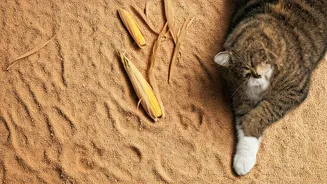
Enter corn husk bedding, a leading alternative that addresses many of the shortcomings of clay. Made from a renewable resource, corn-based litters are often produced using leftover parts of the corn plant after harvesting, turning an agricultural byproduct into a valuable product. This circular approach is far more sustainable than finite-resource mining. Corn is highly absorbent by nature, and when processed into litter, it forms a lightweight, effective material for managing pet waste. Unlike clay, which is heavy and dense, corn litter is typically much lighter, making it easier to carry, pour, and handle. Its natural composition means it is fully biodegradable, breaking down over time instead of sitting in a landfill for centuries.
Benefits for Your Pet and Home
Switching to corn husk bedding can offer immediate benefits within your home. One of the most noticeable differences is the reduction in dust. Most corn-based litters are virtually dust-free, creating a cleaner environment for everyone in the household and reducing the risk of respiratory irritation. The natural structure of corn is also effective at trapping ammonia odours, keeping the litter box smelling fresher for longer without the need for artificial perfumes or chemicals that can deter some cats. Many brands of corn litter are also flushable and septic-safe (always check the packaging and local regulations first), offering another convenient and eco-friendly disposal method. For gardeners, some varieties can even be composted, turning pet waste into a valuable resource rather than landfill fodder.
How to Make a Smooth Transition
Cats are creatures of habit and can be picky about their litter. A sudden switch can sometimes lead to litter box avoidance. To ensure a successful transition, start by mixing a small amount of the new corn litter with your old clay litter. Begin with a ratio of about 25% new to 75% old. Let your cat get used to this for a few days. Gradually increase the proportion of the corn litter over the course of one to two weeks, reducing the amount of clay litter until the box is filled entirely with the new corn bedding. This slow introduction allows your pet to adjust to the new texture and scent at their own pace, maximising the chances of acceptance.