






From Novelty to Necessity
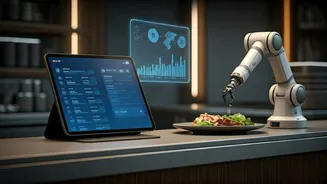
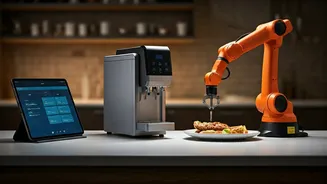
For years, restaurant tech was often a solution in search of a problem. Think clunky tabletop tablets that were more frustrating than futuristic, or robotic servers that felt more like a theme park attraction than a genuine service enhancement. The focus
was on novelty, but the pandemic and subsequent economic pressures, including labour shortages and rising food costs, forced a hard reset. Restaurants had to adapt overnight, and technology became a crucial tool for survival. This shift accelerated the adoption of tools that were once considered niche, such as online ordering, digital menus, and contactless payments, making them baseline expectations for the modern diner.
The Rise of the Smart Back-of-House
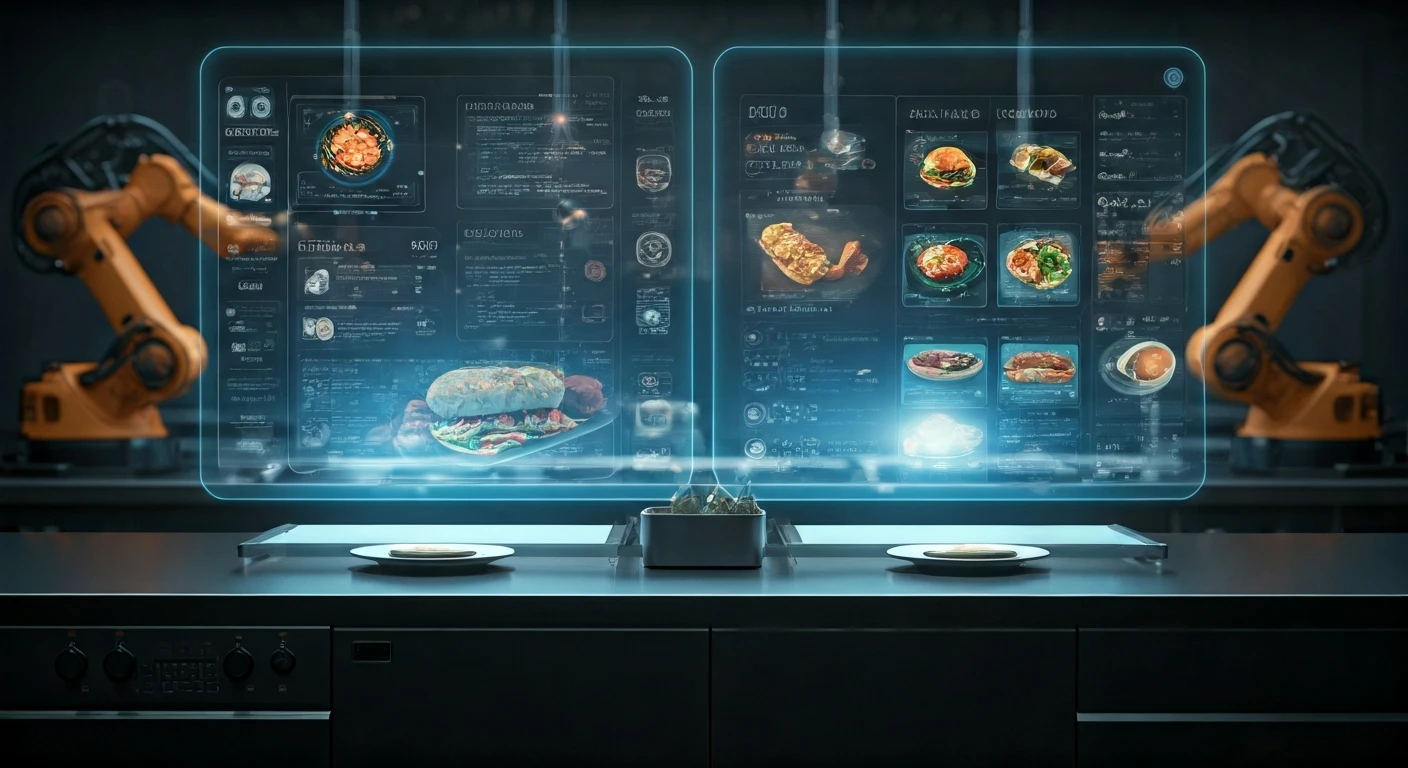
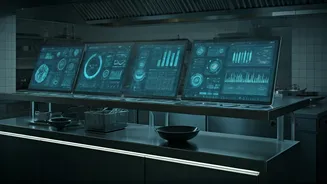
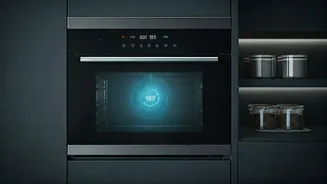
The most significant changes are happening where customers can't see. The 'practical era' is defined by a focus on operational efficiency. Advanced Point of Sale (POS) systems are no longer just digital cash registers; they are now the central nervous system of the restaurant. These cloud-based platforms integrate everything from online reservations and waitlist management to kitchen display systems (KDS) that streamline order preparation. The result is fewer errors, faster service, and a more synchronized workflow between the front and back of the house. This integration eliminates the need for staff to manually enter orders from different platforms, reducing errors and freeing them up to focus on customer service.
AI and Data on the Menu
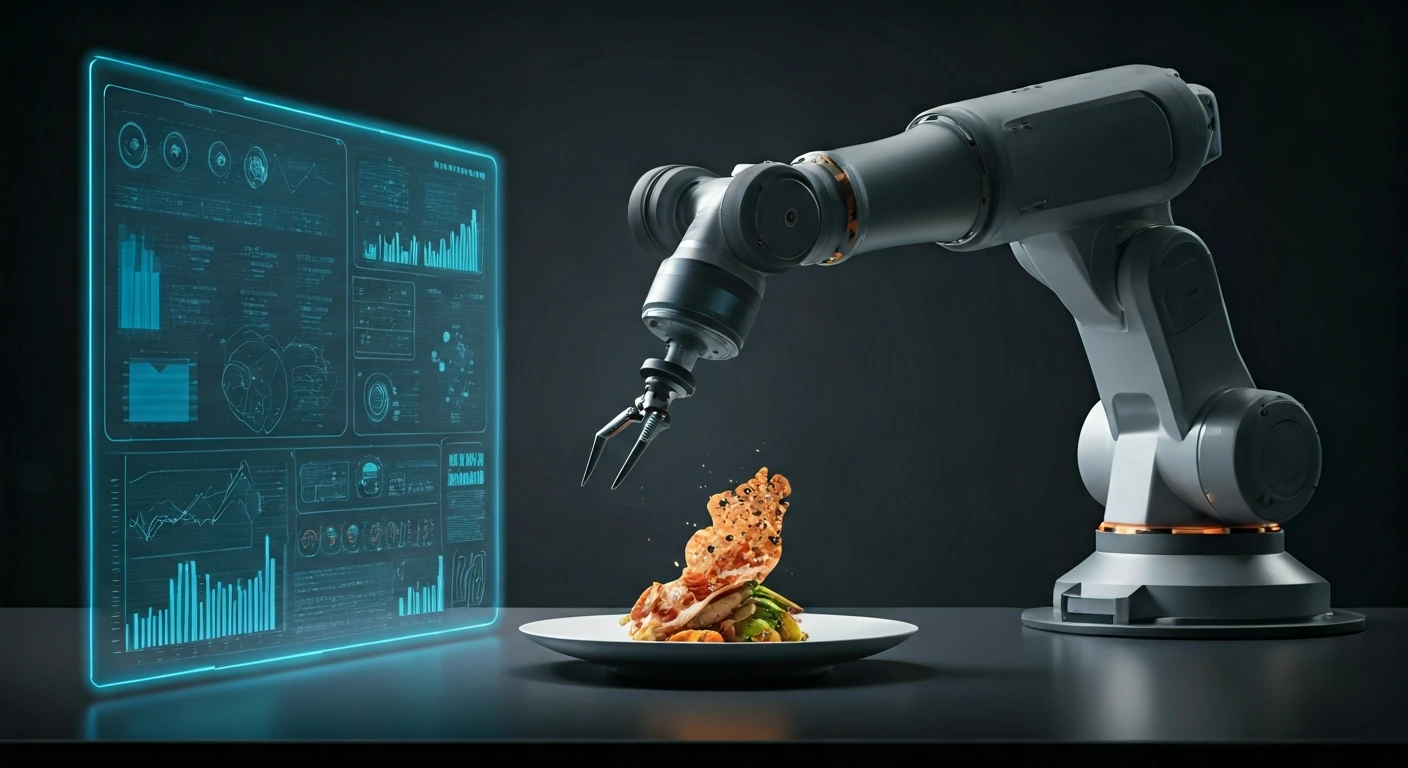
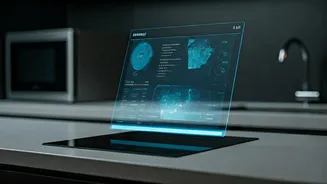
Artificial intelligence (AI) and data analytics are the secret ingredients of this new practical era. AI is no longer the stuff of science fiction; it is being used in tangible ways to improve profitability. AI-powered tools can analyze historical sales data, weather patterns, and even local events to forecast demand with remarkable accuracy. This allows restaurants to optimize staffing levels, reduce food waste by ordering ingredients more precisely, and even implement dynamic pricing to manage busy and slow periods. A recent survey revealed that restaurants are widely adopting AI for marketing, data analytics, and customer service. For example, AI chatbots can handle reservations and answer common questions, while recommendation engines on apps can increase the chances of a customer adding a suggested item to their order.
Data-Driven Decisions
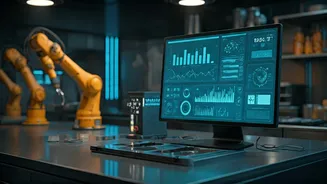
Beyond AI, restaurants are collecting and analyzing vast amounts of data to make smarter decisions. Every order placed, every item sold, and every customer review provides valuable insight. By analyzing this data, owners can identify their most and least profitable menu items, understand peak hours, track inventory in real-time, and get a clear picture of customer preferences. This process, known as menu engineering, allows operators to combine culinary creativity with financial clarity, ensuring the menu is both appealing and profitable. Some restaurant groups have used AI-powered inventory tools to significantly reduce food waste, directly improving their profit margins.
What It Means for Diners
While much of this technology operates behind the scenes, the benefits for diners are tangible. A more efficient kitchen means faster service and more accurate orders. Data-driven personalization leads to more relevant recommendations and loyalty offers. Digital waitlist systems notify you via text when your table is ready, ending the need to hover by the host stand. Even the QR code menu has evolved, now offering real-time updates, integrated payment options, and the ability to view nutritional information or sourcing details with a simple tap. Ultimately, by allowing technology to handle repetitive and analytical tasks, restaurant staff are freed up to focus on what truly matters: providing hospitality and creating a memorable guest experience.