






More Than Just Roadwork
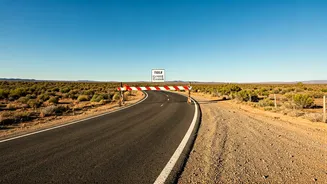
When we think of travel disruptions, we often picture a straightforward “Road Closed” sign due to construction. In India, however, the reality is far more complex. Your meticulously planned route can be affected by a surprising variety of events. Spontaneous
political rallies or demonstrations can lead to sudden road blocks and diversions. Local festivals, which may not be on a national calendar, can result in entire market areas or access roads being cordoned off. Furthermore, VIP movements, especially in and around major cities, frequently cause temporary but significant traffic freezes. These unforeseen hurdles can derail your schedule, turning a short, pleasant drive into a long and frustrating ordeal.
Monsoon Travel: A Special Case
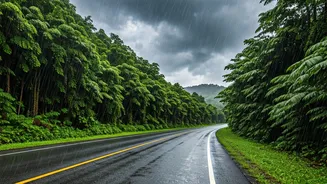
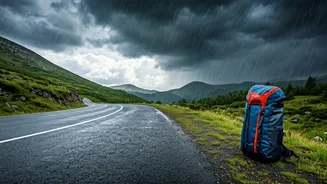
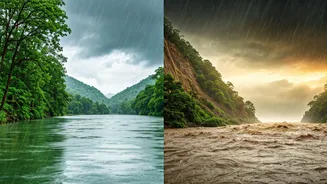
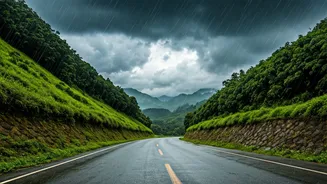
Travelling during the monsoon season, which typically runs from June to October, requires an extra layer of vigilance. The season's heavy rains can cause flash flooding and dangerous landslides, particularly in hilly and mountainous regions like the Himalayas and the Western Ghats. These natural events can shut down major highways and smaller rural roads for days with little to no warning. Waterlogging is a common issue in cities, turning key thoroughfares into impassable waterways. Before embarking on a monsoon trip, it is absolutely essential to check weather forecasts from reliable sources like the Indian Meteorological Department (IMD). Allowing for buffer days in your itinerary is a wise precaution, as delays are common.
Your Pre-Trip Digital Checklist
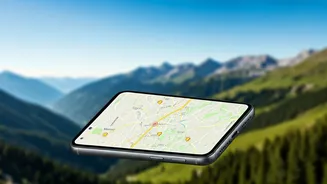
Thankfully, a few minutes of online research can save you hours of on-road frustration. Start with mapping services like Google Maps or Waze, which provide real-time traffic data, including accidents and congestion. However, don't stop there. For major highways, check the official website of the National Highways Authority of India (NHAI) for planned closures or major works. Many local and state police departments now maintain active social media accounts (on platforms like X, formerly Twitter) where they post live updates on traffic disruptions and alternative routes. It's also wise to check local news websites for your destination in the days leading up to your trip; they are often the first to report on potential disruptions like local strikes ('bandhs').
Beyond the Road: Attraction Timings
The potential for disappointment doesn't end once you've reached your destination. Imagine driving for hours to see a famous fort or museum, only to find it closed. Tourist attraction timings can be fickle. Many, like the Taj Mahal, are closed one day a week (Fridays, in its case). Opening hours can also change for public holidays, local events, or even maintenance. Before you set out, always visit the official website of the attraction. Most major sites, managed by bodies like the Archaeological Survey of India (ASI), provide up-to-date information on visiting hours and ticket booking. For smaller, privately-owned places, a quick phone call is the most reliable way to confirm they'll be open when you arrive.
Tap into Local Intelligence
No app or website can fully replace on-the-ground knowledge. One of the best resources is your hotel or guesthouse. A day or two before your arrival, call the reception and ask about the local situation. They can provide invaluable insights into minor road blockages, market closures, or any other local quirks that online resources might miss. If you're using a local travel agent or tour guide, they are also an excellent source of real-time information. This human element can provide a level of detail and nuance that technology simply cannot match, ensuring your journey is as smooth as possible from start to finish.