





Start with a Digital Recce
Effective monsoon commuting begins before you even step out. Don’t just look out the window; check reliable weather apps. The government's official 'Mausam' app provides real-time alerts on rainfall and severe weather, while others like Skymet Weather
and AccuWeather offer hyper-local forecasts. Beyond the weather, check the traffic. Use live traffic updates on map services and follow local traffic police accounts on social media, as they often post real-time information about waterlogged areas and route diversions. This initial check gives you a clear picture of the conditions you'll face.
Assess Your Route and Risk
Every route has its weak spots during a downpour. Consider your specific path: are there low-lying areas, underpasses, or stretches known for severe waterlogging? Driving through floodwaters is incredibly dangerous. Just one foot of moving water can sweep a vehicle away, and hidden hazards like open manholes or debris lurk beneath the surface. Never drive through water if you cannot judge its depth. If your route involves areas prone to flash floods or landslides, especially in hilly regions, the risk increases significantly. The smartest decision is often to avoid these problem areas entirely, even if it means taking a longer route.
Choose Your Commute Mode Wisely
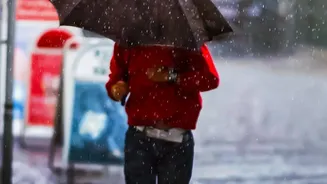
Your mode of transport dictates your safety strategy. If you ride a two-wheeler, a full raincoat is essential, as an umbrella is unsafe and impractical. For those taking public transport like buses or trains, an umbrella might suffice for short walks, but be prepared for delays. Live tracking apps can help you monitor public transport schedules. If you're driving a car, a pre-monsoon check is vital. Ensure your tyres have adequate tread, your brakes are responsive, and your wiper blades are effective. Good visibility is critical, so make sure all lights, including headlights and fog lamps, are clean and functional.
Pack a Monsoon Survival Kit
A little preparation goes a long way when your commute is disrupted. Pack a small monsoon kit for your journey. This should include a waterproof bag or cover to protect electronics like your laptop and phone. A fully charged power bank is a lifesaver if delays leave you stranded. It's also wise to carry drinking water, some snacks, and any essential personal medication. Sturdy, non-slip footwear is crucial to avoid falls on slippery station platforms and footpaths. If you're driving, an emergency kit with a flashlight and first-aid supplies is a must.
Know When to Stay Home
Sometimes, the safest commute is no commute at all. When authorities issue a 'red alert' for extremely heavy rainfall, it's a clear signal to avoid non-essential travel. Many district disaster management authorities now advise private companies to allow employees to work from home during severe weather events to reduce traffic congestion and ensure safety. If the forecast is severe and official advisories recommend staying indoors, communicate with your workplace. Prioritizing your safety is always the most responsible decision.