



The Spiritual Heart of Fasting
Fasting on Janmashtami is more than just abstaining from food; it's a spiritual practice meant to purify the body and mind. The core idea is to reduce worldly distractions, allowing devotees to focus their energy on prayers, meditation, and remembrance
of Lord Krishna's teachings. The Sanskrit word for fasting, 'upvas', translates to residing near the divine, highlighting its purpose as a tool for spiritual closeness. The fast typically begins at sunrise on Janmashtami and concludes either at midnight, marking the time of Krishna's birth, or the following morning. The sincerity of one's devotion is considered more important than the strictness of the fast itself.
The Nirjala Vrat: A Test of Complete Devotion
The most stringent form of fasting is the Nirjala vrat, which involves abstaining from both food and water for the entire day. Devotees undertaking this fast do not consume anything from sunrise until the fast is broken at the designated time after midnight. This is a demanding practice that tests one's discipline and endurance. Due to its intensity, the Nirjala fast is generally recommended only for those who are in excellent health and have prior experience with such austerities. It is not advisable for children, the elderly, pregnant women, or individuals with medical conditions.
The Phalahari Vrat: The Most Common Approach
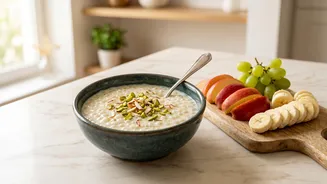
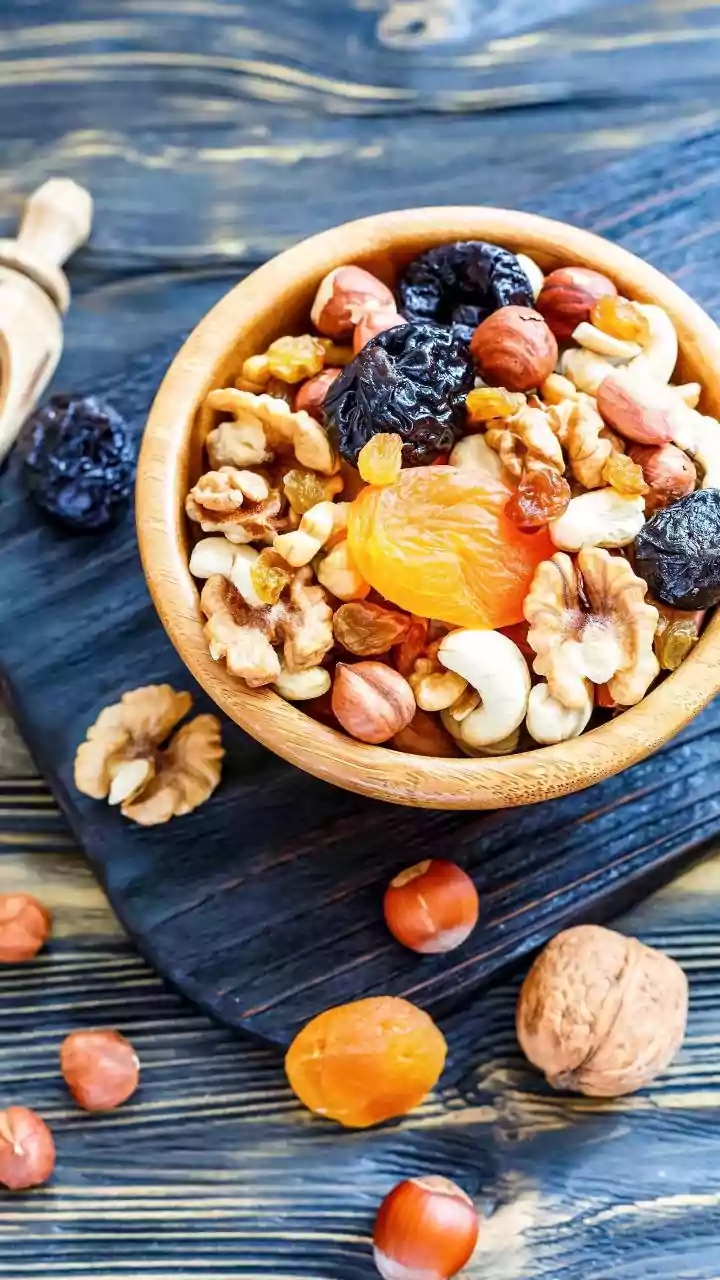
The Phalahari fast is the most widely observed option, offering a balanced path between strict austerity and practical daily life. This vrat involves abstaining from grains, lentils, regular salt, onions, and garlic. Instead, devotees consume a diet based on fruits ('phal') and other permitted items. Water is allowed during a Phalahari fast. Foods that are generally permitted include all fresh fruits, milk and dairy products like curd and paneer, and certain non-grain flours such as buckwheat (kuttu ka atta), water chestnut (singhare ka atta), and amaranth (rajgira ka atta). Other staples include tapioca pearls (sabudana), barnyard millet (samak rice), potatoes, sweet potatoes, nuts, and fox nuts (makhana). Regular table salt is replaced with rock salt (sendha namak).
The One-Meal Option: A Lenient Observance
For those who may find a full-day fast challenging due to work, health, or other commitments, observing a one-meal fast is a common alternative. This approach, sometimes called a partial or 'satvik' fast, involves eating a single, simple meal during the day and then abstaining from food until the fast is broken after midnight. This meal must be 'sattvic', meaning it should be light and pure, prepared without onions, garlic, grains, or lentils. It typically consists of the same foods allowed in a Phalahari diet, like dishes made from kuttu flour or sabudana. This option allows devotees to maintain the spirit of the fast while accommodating their daily responsibilities.
Making the Right Choice for You
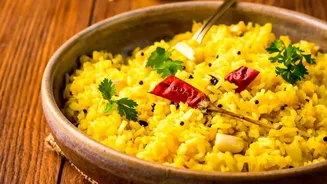
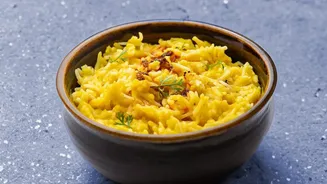
Ultimately, the choice of which fast to observe is a personal one. It should be based on a combination of family tradition, personal health, and individual capacity. It's important to be realistic about what your body can handle; a fast should be an act of devotion, not a cause for physical distress. Many find that Phalahari meals, like a simple sabudana khichdi or roasted makhana, provide enough energy to get through the day while still observing the vrat's dietary rules. The true essence of the Janmashtami fast lies in the intention and devotion behind it, not in comparing levels of austerity.