




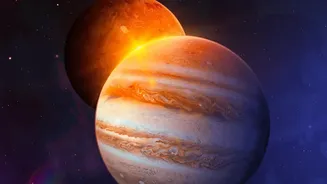
Why Look for Saturn?
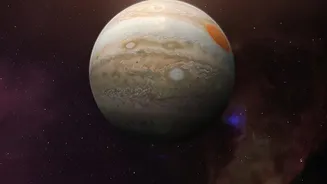
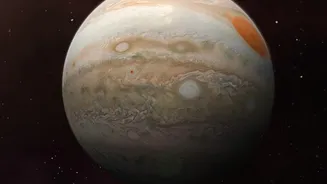
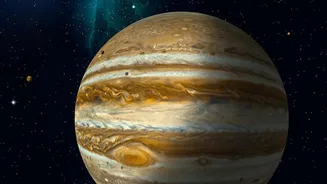
Among all the planets, Saturn is often the one that inspires the most awe. Its spectacular system of rings is unique in our solar system, a feature that has fascinated astronomers for centuries. While you won't see these rings in detail without a telescope,
just locating Saturn is a rewarding experience. It connects you to the vastness of space from your own balcony or rooftop. Throughout September 2026, Saturn is visible for much of the night, rising in the eastern sky shortly after sunset, making it a perfect target for urban stargazers. It shines with a steady, yellowish-white light, unlike stars which tend to twinkle.
Your Pocket Planetarium
The magic key to your celestial treasure hunt is a stargazing app. These apps use your phone's GPS and compass to create a real-time map of the sky above you. Simply point your phone at the sky, and the app will identify stars, constellations, and planets. Many excellent options are available for both Android and iOS, often for free. Popular and user-friendly choices include: - Stellarium Mobile: A favourite among many, it offers a clean interface and a realistic view of the sky. The free version is powerful enough for beginners. - SkyView Lite: This app uses augmented reality to overlay information onto your camera's view, making it very intuitive to see what’s what. - Star Walk 2: Known for its beautiful graphics and beginner-friendly approach, it helps you identify objects and provides notifications for astronomical events.
Beating the City Lights
Light pollution is the biggest challenge for city-based astronomers, as the glow from streetlights and buildings washes out fainter stars. However, bright objects like planets can still punch through the haze. To give yourself the best chance, find the darkest spot available to you. This could be a park, a high rooftop, or even just a balcony that is shielded from direct streetlights. Turn off any lights around you and give your eyes about 15-20 minutes to adjust to the darkness. This will significantly improve your ability to spot celestial objects. Patience is key. The longer you let your eyes adapt, the more you will see.
Step-by-Step Guide to Finding Saturn
Once you've downloaded your chosen app and found your viewing spot, finding Saturn is easy. First, open the app and give it a moment to calibrate using your phone's internal sensors. Most apps have a search function. Type “Saturn” into the search bar. The app will then display an arrow or guide on your screen. Hold your phone up and follow the arrow. It will direct you across the sky until the virtual Saturn on your screen lines up with the real one. In early September 2026, look towards the southeastern sky after 9:30 p.m. to find it. You will be looking for a bright, steady point of light that doesn't twinkle.
What You Will Actually See
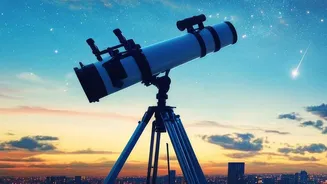
It's important to manage expectations. To the naked eye, Saturn will not look like the grand pictures from the Hubble telescope. It will appear as a bright, star-like object with a distinct yellowish or golden hue. The key differentiator is its steady glow; stars twinkle because of atmospheric distortion, but planets, being closer and appearing as tiny disks rather than points, shine steadily. If you have a pair of standard binoculars, you might notice that the dot of light appears slightly oval or elongated. This is the combined shape of the planet and its rings, an incredible sight for your first time. To actually distinguish the rings as separate from the planet, you would need a small telescope with at least 30x magnification.