




The Case for a Local Guide
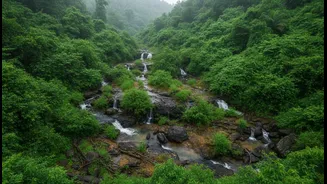
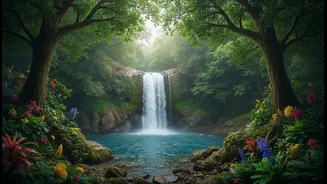
Exploring Goa's interior is a world away from its coastal belt. The trails to hidden waterfalls can be unmarked, treacherous, and prone to rapid changes in weather, especially during the monsoon. This is where a local village guide becomes indispensable.
These guides, often from communities that have lived in these forests for generations, possess an unmatched knowledge of the terrain. They know the safe paths, the spots to avoid, and can read subtle signs of changing weather or rising water levels. Opting for a local guide is not just a safety measure; it is a step toward responsible tourism. It provides a sustainable livelihood for rural communities, ensuring they benefit directly from the natural beauty of their homeland and encouraging its preservation. This model helps distribute tourism income away from the crowded coast, fostering a more balanced and sustainable industry for the state.
Finding Authentic Community Guides
Finding a reliable local guide is easier than you might think. Many waterfalls located within wildlife sanctuaries, such as those in the Bhagwan Mahavir and Mhadei sanctuaries, have official systems in place. The Goa Forest Development Corporation (GFDC) manages tourism at many popular falls and often requires visitors to be accompanied by trained and registered guides. For more remote waterfalls, the local village panchayat or word-of-mouth recommendations from your hotel or homestay are excellent resources. In recent years, many local youths have formed informal groups, using social media to offer their services for treks to falls like Tambdi Surla and Hivrem. These community-led initiatives offer an authentic experience, but always check for recommendations and discuss the itinerary and safety provisions clearly beforehand.
What to Expect on a Guided Trek
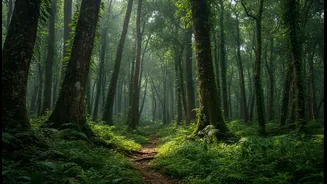
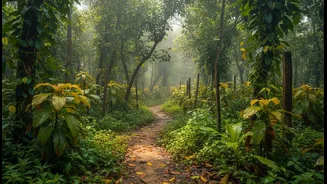
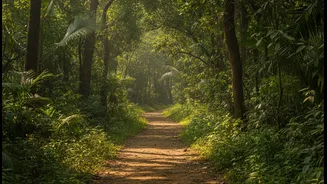
A guided waterfall trek is an immersive experience. The difficulty can range from easy walks to challenging hikes. A typical trek might take a few hours and will lead you through dense vegetation, across streams, and over uneven terrain. Your guide will not only lead the way but also point out unique flora and fauna you might otherwise miss. Costs can vary depending on the waterfall's remoteness and the trek's duration. It is crucial to discuss what is included – some tours might provide essentials like life jackets, which are often mandatory, while others may expect you to bring your own supplies. Recently, authorities have become stricter, banning swimming and other water activities at many falls due to safety concerns, so always follow your guide's instructions and posted rules. Violations can lead to serious penalties.
Waterfalls Where a Guide is Essential
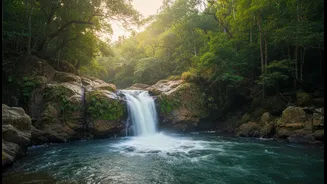
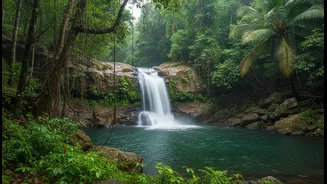
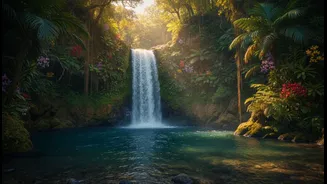
While Dudhsagar Falls is Goa's most famous, its access is highly regulated with official jeep safaris and guides. For a more secluded experience, guides are key. Tambdi Surla Waterfall, located inside the Bhagwan Mahavir National Park, requires a 90-minute trek through the forest, making a guide highly recommended for first-timers. Similarly, reaching Hivrem Waterfalls involves a strenuous climb up a steep hill, where local knowledge is invaluable for a safe ascent. Other falls like Kuskem and those deep within the Netravali Wildlife Sanctuary are also best explored with someone who knows the area intimately, ensuring you don’t get lost and can safely navigate the forest trails. These guides often start the trek from their own villages, adding a layer of cultural immersion to the journey.
Essential Safety and Etiquette Checklist
Your safety is the top priority. Always wear sturdy trekking shoes with good grip, as paths can be slippery and rocky. Carry at least a litre of water per person, some snacks, and a basic first-aid kit. Never enter a waterfall area after consuming alcohol, as it is a leading cause of accidents and is strictly prohibited. Heed all warnings from your guide and the Forest Department, especially during the monsoon when water levels can rise unexpectedly. Finally, practice responsible tourism: do not litter, respect the local wildlife, and ask for permission before photographing local residents. The goal is to leave these pristine places as beautiful as you found them for generations to come.