




Start with a Quality Dry Bag
The foundation of protecting your electronics at the beach is a reliable dry bag. These are specifically designed to be waterproof and are available in various sizes, from small pouches for a phone and wallet to large backpacks that can hold a laptop,
camera, and change of clothes. Unlike a simple plastic bag, a good dry bag uses a roll-top closure system that creates a watertight seal. For most beachgoers, a 10 to 20-litre bag offers plenty of space for essentials without being bulky. Look for models made from durable PVC or urethane, as they can withstand scrapes and prolonged use. Many also come with shoulder straps, making them easy to carry.
Dedicated Protection for Your Phone
Your phone is likely the one device you'll want to use throughout the day. While many modern phones have some level of water resistance, this rating is for fresh water and doesn't account for corrosive salt water or fine sand. A waterproof phone pouch is an inexpensive and effective solution. These clear pouches allow you to use your touchscreen and take photos while keeping the phone completely sealed from the elements. For an even higher level of protection, a dedicated waterproof case from a brand like OtterBox or LifeProof can be a worthwhile investment, especially if you're frequently near water. Some pouches even include a foam insert to make them float if dropped in the water.
Creative DIY and Budget Solutions
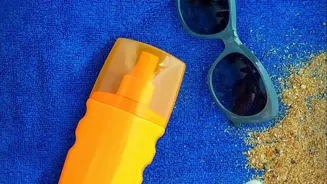
You don't always need to buy specialized gear. A simple, resealable plastic baggie can offer a surprising amount of protection against splashes and sand. Pressing the air out before sealing can help you use the touchscreen. For a more robust DIY option, a clean, wide-mouthed plastic jar, like a peanut butter jar, can create a rigid, waterproof container for a phone, keys, and cash. Another clever trick is to clean out an old sunscreen bottle; it provides a discreet and effective hiding spot for your valuables while you take a swim.
Safeguarding Laptops and Tablets
Bringing a laptop or tablet to the beach requires extra care. Sand is the primary enemy, as it can get into ports, hinges, and the cooling system, causing significant damage. Never place your device directly on a towel or the sand. A water-repellent laptop sleeve or pouch provides a good first line of defense. For active use, consider a DIY shade box made from a simple cardboard box; this not only keeps it out of the sun but also shields it from blowing sand. Always ensure any open ports are covered, and use compressed air to clean them out after your trip.
Don't Forget About the Heat
Water and sand aren't the only dangers; direct sun can cause your electronics to overheat, leading to battery damage or a complete shutdown. Never leave your devices in a hot car, which can act like an oven. On the beach, keep your gadgets in the shade, either under an umbrella or wrapped in a light-coloured towel. Closing background apps can also help prevent your phone from heating up too quickly. If a device does overheat, you can try placing it in your cooler for a few minutes to bring the temperature down safely.
An Emergency Plan for Water Damage
Accidents happen. If your camera or phone gets wet, the most important thing is to act fast. Immediately power off the device and do not attempt to turn it on, as this can cause a short circuit. Remove the battery and memory card immediately. Gently wipe the exterior with a dry cloth. Once you're in a dry space, place the device in a sealed bag with a drying agent like silica gel packets—the kind often found in new shoe boxes. Contrary to popular belief, uncooked rice is not the most effective method and can introduce dust. Leave the device to dry for at least 24 to 48 hours before attempting to power it on.