



The Golden Power of Turmeric
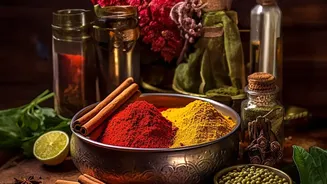
Turmeric, the vibrant yellow spice essential to Indian cooking, is also a cornerstone of traditional wellness. Its power lies in its active compound, curcumin, which has been studied for its antioxidant and anti-inflammatory properties. In Ayurveda, turmeric
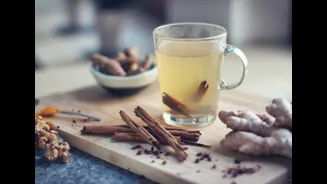
is revered for its ability to support the body's natural defences. When consumed in a warm infusion, often called 'haldi doodh' or in a herbal tea, it's traditionally used to soothe the respiratory system and bolster overall immunity. While the body doesn't absorb curcumin easily on its own, adding a pinch of black pepper can significantly enhance its absorption, a trick long known in traditional preparations. This simple addition makes your home remedy even more effective.
Ginger: The Pungent Protector
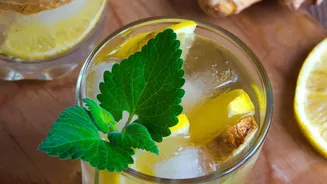
Ginger, or 'adrak', is another kitchen staple with a long history of medicinal use. Its main bioactive compound, gingerol, is responsible for much of its pungent flavour and its health-promoting properties. Traditionally, ginger is used to aid digestion, soothe a sore throat, and help the body fight off common colds. Science today suggests that ginger possesses anti-inflammatory and antioxidant effects. A warm ginger infusion can be incredibly comforting, helping to clear congestion and providing a warming sensation that is especially welcome during colder months or when feeling under the weather. It stimulates digestion, which is crucial, as a healthy gut is closely linked to a robust immune system.
Tulsi: The Queen of Herbs
Tulsi, or Holy Basil, is considered one of the most sacred and powerful herbs in Ayurveda, often referred to as the 'Elixir of Life'. Unlike turmeric and ginger, which are primarily warming spices, tulsi is classified as an adaptogen. This means it helps the body adapt to various forms of stress—physical, chemical, and emotional. By helping to modulate the body's stress response, tulsi can support a balanced immune system. It is rich in antioxidants and traditionally used to support respiratory health, fight bacterial and viral infections, and relieve coughs and colds. Chewing a few fresh leaves or drinking a tea made from them is a daily practice in many Indian homes to promote vitality and resilience.
How to Make Your Immunity Infusion
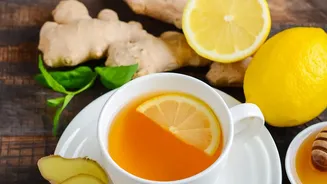
Creating a comforting and beneficial infusion with these three ingredients is simple. This traditional 'kadha' or herbal decoction can be prepared in minutes and customised to your taste.Basic Recipe:1. Start by bringing two cups of water to a boil in a small saucepan.2. Add about half a teaspoon of grated fresh ginger and half a teaspoon of turmeric powder (or grated fresh turmeric).3. Let the mixture simmer gently for about 5-7 minutes. This allows the active compounds from the ginger and turmeric to infuse into the water.4. Add 5-8 fresh tulsi leaves to the pot and simmer for another 2-3 minutes.5. Turn off the heat, strain the tea into a cup. For better absorption of turmeric's benefits, add a small pinch of black pepper.6. If you prefer a little sweetness, you can add a teaspoon of honey or jaggery, but it's best to add it after the tea has cooled slightly to preserve its beneficial properties.Feel free to adjust the quantities of each ingredient based on your preference. For a citrusy twist, a squeeze of fresh lemon juice can be added at the end.