





Why September's Rain Matters So Much
The Southwest Monsoon, which delivers about 70-75% of India's annual rainfall, is the lifeblood of its agricultural economy. While June and July are crucial for sowing, September is when many Kharif (monsoon) crops enter their final growth stages. This
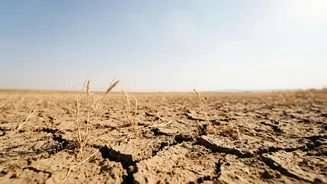
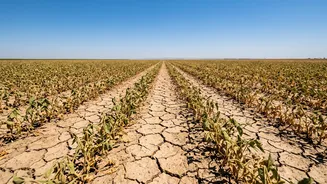
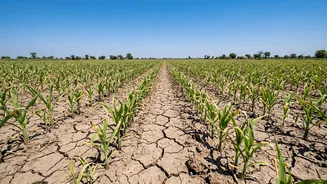
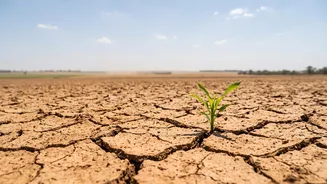
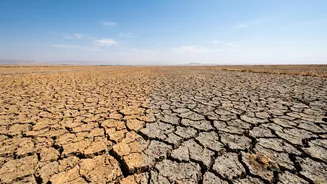
is the period when grains fill out and seeds mature, a process that requires significant water. A dry spell now, after an already uneven monsoon, can cause moisture stress, leading to lower yields. As of late August 2026, the country faced a seasonal rainfall deficit of around 13-14%, with some states like Bihar, Andhra Pradesh, and parts of the northeast experiencing deficits of over 40%. While new weather systems at the end of August are bringing rain to central and eastern India, Peninsular India is forecast to see subdued rainfall. Therefore, the performance of the monsoon in September is exceptionally critical this year.
The Crops on the Watchlist
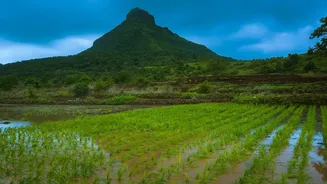
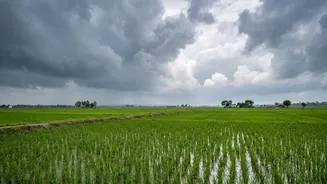
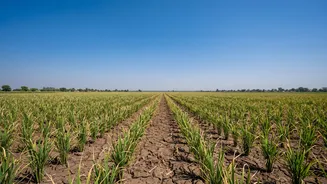
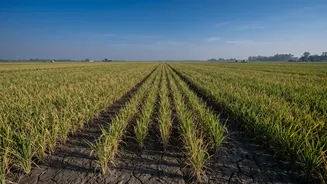
Several key Kharif crops are particularly vulnerable to a moisture deficit in September. The primary concern is for rice (paddy), the season's main food crop. A significant portion of India's paddy cultivation is rain-fed, and a lack of late-season rain can stunt grain development. The total sown area for paddy was already down by over 3% by late August compared to the previous year due to the erratic monsoon. Other major crops at risk include pulses like Tur (arhar), Moong, and Urad, which are a staple protein source for millions. A poor harvest here directly translates to higher dal prices. Oilseeds such as soybeans and groundnuts also enter their crucial pod-filling and seed development stages now. Water stress during this phase can severely reduce both the quantity and quality of the harvest, impacting the domestic supply of edible oils. Coarse cereals like maize, which have also seen a decline in sowing area, are similarly at risk.
The Ripple Effect: From Farm to Your Plate
The connection between farm output and household budgets is direct and often immediate. A reduction in the harvest of essential crops like rice, pulses, and oilseeds tightens supply in the market. When supply is lower than demand, prices rise. This means consumers could end up paying more for daily essentials like rice, dal, and cooking oil. Food inflation has already been a concern, with the Consumer Food Price Index rising to 5.52% in July 2026. A weak finish to the monsoon could push this figure higher in the coming months, squeezing household budgets. The government has noted that rising food inflation is a key risk, as it could force households to cut back on other discretionary spending, impacting the broader economy.
Broader Economic Tremors
The impact of a poor monsoon extends beyond just food prices. Agriculture is a massive part of the Indian economy, and a weak Kharif harvest can depress rural incomes. With less money in their pockets, farmers and agricultural labourers spend less, which in turn reduces demand for goods and services, from tractors to consumer products. This can slow down overall economic growth. For the Reserve Bank of India (RBI), the situation creates a difficult balancing act. Rising food inflation could pressure the central bank to consider raising interest rates to control prices, but this could also dampen economic activity. Economists will be watching the September inflation numbers closely, as they could signal the need for monetary tightening later in the financial year if food price pressures persist.
Looking Ahead: Water Reserves and Winter Crops
September's rainfall doesn't just affect the standing Kharif crops; it is also crucial for replenishing India's reservoirs. These water bodies are vital for the upcoming Rabi (winter) sowing season, which includes major crops like wheat and mustard. Poor rainfall in September can lead to lower reservoir levels and less moisture in the soil, creating a challenging start for winter crops. While the government holds substantial buffer stocks of rice and wheat, which can help stabilise prices in the short term, a double blow of a poor Kharif harvest followed by a stressed Rabi season would present a significant challenge for the country's food security and inflation management.