



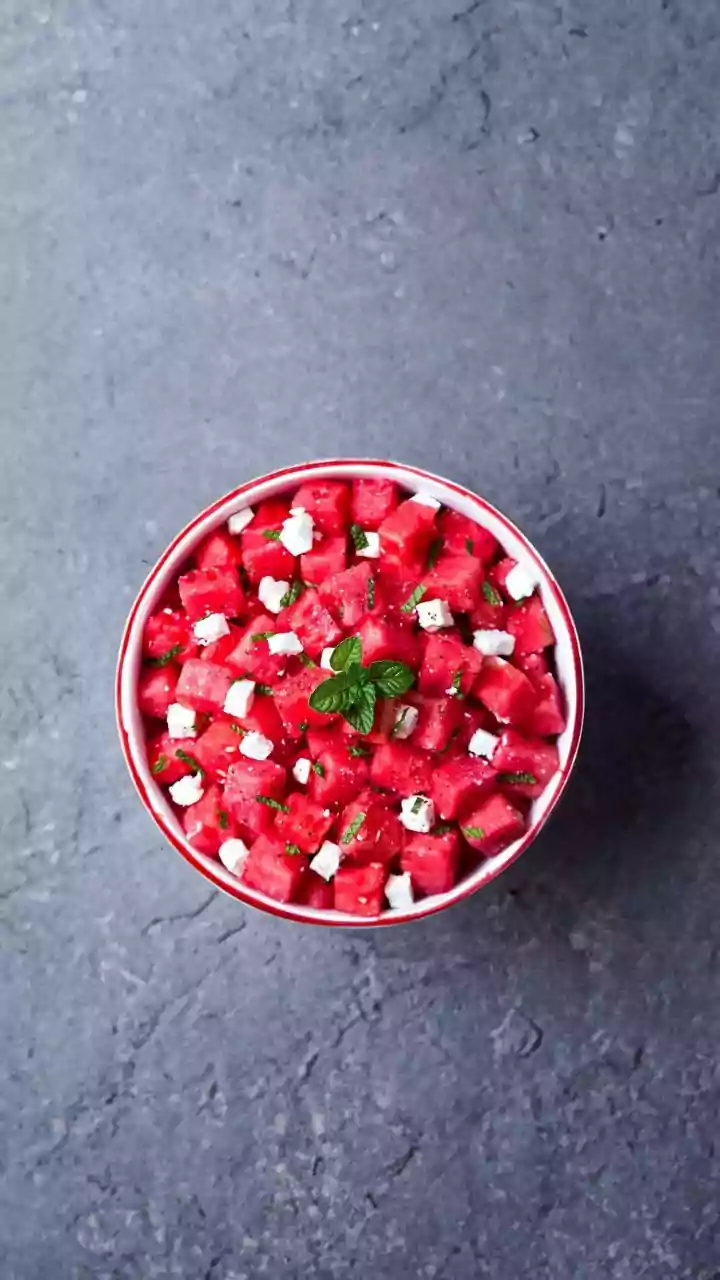



In the quest for a more sustainable kitchen, one of the most overlooked ingredients is sitting right on your counter after a summer feast. Before you toss that watermelon rind, consider this: it's not just edible, it's delicious.
Why Cook With Watermelon Rind?
The thick white part of
the watermelon, between the pink flesh and the tough green skin, is a surprisingly versatile vegetable. Its texture is crisp, similar to a cucumber, and it has a neutral flavour profile that readily absorbs spices and seasonings. This makes it a fantastic canvas for a wide array of dishes. Beyond its culinary potential, using the rind is a significant step towards reducing food waste. It's also nutritious, containing fibre and notable amounts of vitamins like A and C, as well as minerals like potassium and magnesium. Traditional Indian cooking, particularly in regions like Gujarat and Rajasthan, has long embraced the 'root-to-shoot' philosophy, finding delicious uses for parts of produce that are often discarded. Cooking with watermelon rind is a nod to this heritage of frugality and creativity.
Spicy and Savoury Watermelon Rind Sabzi
One of the most popular ways to cook watermelon rind in India is to prepare it as a sabzi or dry curry. The process is similar to cooking any gourd vegetable like lauki or tori. To begin, peel the tough outer green skin and chop the white rind into small cubes. Heat oil in a pan and temper it with mustard seeds, cumin seeds, and a pinch of asafoetida (hing). Sauté some chopped onions and ginger, then add the cubed rind. The key is to cook it until it's tender, which can take about 20-30 minutes on low heat. Spices like turmeric, red chilli powder, and coriander powder are added, followed by a finishing touch of amchur (dry mango powder) for tanginess and a little jaggery or sugar to balance the flavours. The result is a flavourful and tender sabzi that pairs beautifully with hot rotis or as a side with dal and rice.
Tangy Watermelon Rind Pickle
Pickling is another fantastic way to preserve watermelon rind and transform it into a zesty condiment. A quick pickle, or achaar-style preparation, is simple and requires no long fermentation. For this, you can julienne the rind into thin strips. Heat mustard oil in a pan until it's very hot, then add mustard seeds and nigella seeds (kalonji). Toss in the rind strips and stir-fry on high heat for a few minutes to get a slight char while keeping the inside crunchy. Mix in turmeric, chilli powder, amchur, and salt. Another method involves creating a brine with vinegar, water, sugar, salt, and pickling spices like cloves and coriander seeds. The rind is simmered in this brine until tender, then packed into sterilised jars. This pickle can be stored in the refrigerator for weeks, ready to add a tangy kick to any meal.
Sweet Candied Watermelon Rind (Murabba)
For those with a sweet tooth, candied watermelon rind is a delightful treat. This old-fashioned recipe turns the rind into a chewy, jewel-like confection. The process involves boiling the rind pieces until tender, then simmering them in a thick sugar syrup. First, the rind is peeled and cut into pieces, then boiled in water until tender. A syrup is made by boiling sugar and water, sometimes infused with spices like cinnamon or cloves. The boiled rind pieces are then added to this syrup and simmered slowly until they become translucent and glossy. Afterwards, they are drained and laid out on a rack to dry, which can take overnight. Once dry, the pieces can be rolled in sugar for a classic crystallized finish. This candied rind, or murabba, can be enjoyed on its own or used as a garnish for desserts.