







The New Rule: Clarity at Last
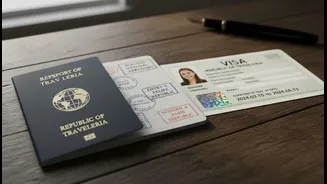
The Thai government has officially approved a 30-day visa-free entry scheme for Indian citizens, providing certainty after a period of fluctuating policies. This decision, made on July 14, 2026, comes as a welcome relief for tourists who faced confusion
when a previous temporary 60-day visa-free offer ended, briefly reverting Indian travellers to a more restrictive 15-day Visa on Arrival (VoA) system. The new rule scraps the VoA process for tourism, eliminating both the fee and the paperwork upon landing. This move is designed to provide a stable, long-term framework that aligns with the travel patterns of Indian visitors, who represent one of Thailand’s largest tourism markets.
What This Means for You
This policy shift is a game-changer for Indian holidaymakers. The most immediate benefit is financial; the 2,000-baht fee for the Visa on Arrival is gone, putting money back into your travel budget. Beyond the savings, the convenience is a major plus. You can now bypass the often lengthy queues at airport visa counters, allowing your holiday to begin the moment you step off the plane. The extended 30-day stay, double the 15 days offered under VoA, fundamentally changes the type of trip you can plan. It opens the door for more spontaneous getaways and longer, more immersive journeys, freeing you from the time constraints of a shorter visa.
Planning Your New 30-Day Adventure
With a full month at your disposal, you can explore Thailand far beyond the well-trodden tourist trail of Bangkok and Pattaya. Consider a multi-region itinerary that was previously difficult to manage on a shorter trip. You could spend a week exploring the cultural heart of Northern Thailand, visiting the temples of Chiang Mai and the relaxed mountain town of Pai. Follow that with ten days of island-hopping in the south, from the dramatic limestone cliffs of Krabi to the bustling beaches of Phuket and the quieter shores of Koh Lanta. This extended timeframe allows for a more relaxed pace, letting you soak in the local culture, take a cooking class, or even get a diving certification without feeling rushed. It's an opportunity to experience the country’s diverse landscapes and regional identities in a single, seamless trip.
The Fine Print You Still Need to Know
While the visa is free, entry is not entirely without requirements. To ensure a smooth arrival, Indian travellers should have all their documents in order. This includes a passport with at least six months of validity from your date of entry, confirmed return flight tickets, and proof of accommodation for your stay. Additionally, all foreign visitors are required to complete the Thailand Digital Arrival Card (TDAC) online before their journey. Though not always requested, immigration officials reserve the right to ask for proof of sufficient funds for your trip, so it’s wise to be prepared. Ensuring these documents are readily accessible will help you clear immigration quickly and without any issues.
The Bigger Picture: India’s Travel Clout
This policy adjustment is more than just a procedural change; it’s a direct response to market dynamics. After the previous 60-day visa exemption was revoked and Indians were shifted back to the Visa on Arrival system, Thailand saw a sharp decline of nearly 20% in tourist arrivals from India. As the third-largest source of tourists for the country, this drop was significant. The quick reinstatement of a visa-free scheme, albeit for 30 days, underscores the growing economic importance of the Indian traveller. It demonstrates how Indian tourism patterns and spending power are increasingly influencing policy decisions in popular global destinations eager to attract this booming market.