



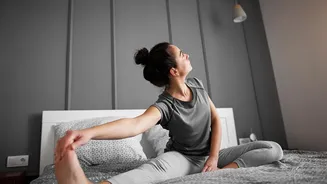
What is NEAT, Exactly?
NEAT stands for Non-Exercise Activity Thermogenesis. It’s a scientific-sounding term for a very simple idea: the energy you burn doing everything that isn't formal exercise, eating, or sleeping. This includes everyday movements like walking to the water
cooler, fidgeting in your chair, standing up to stretch, or even typing. While each small movement might seem insignificant on its own, their cumulative effect is substantial. NEAT is a major component of your total daily energy expenditure and can vary dramatically from person to person, accounting for a huge difference in daily calories burned.
Why Your Desk Job Needs a NEAT Boost
The modern office lifestyle often means sitting for eight or more hours a day. This prolonged sedentary behaviour is linked to a range of health concerns, including back pain, poor circulation, and an increased risk of metabolic issues. Even a dedicated gym session after work might not be enough to fully counteract the effects of sitting all day. This is where NEAT becomes your secret weapon. By consciously increasing these small, incidental movements throughout your workday, you can break up long periods of sitting, improve circulation, boost your metabolism, and enhance your overall well-being. It's about turning your workspace into a subtle-but-effective activity zone.
Embrace the Power of Fidgeting
Believe it or not, that restless energy can be put to good use. Fidgeting—tapping your feet, bouncing a leg, or drumming your fingers—is a form of NEAT. These seemingly minor movements keep your muscles engaged and burn a small number of calories that add up over a full workday. Instead of trying to sit perfectly still, allow yourself these micro-movements. You can also use small desk gadgets like a stress ball or grip strengthener, which encourage hand and forearm movements without causing a disturbance. It’s about making constant, low-level activity a natural part of your routine.
Make Standing Your Default Setting
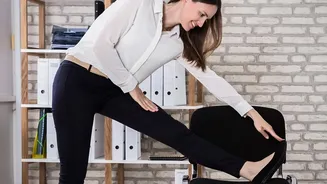
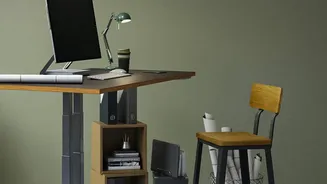
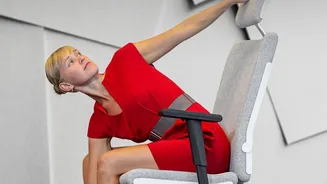
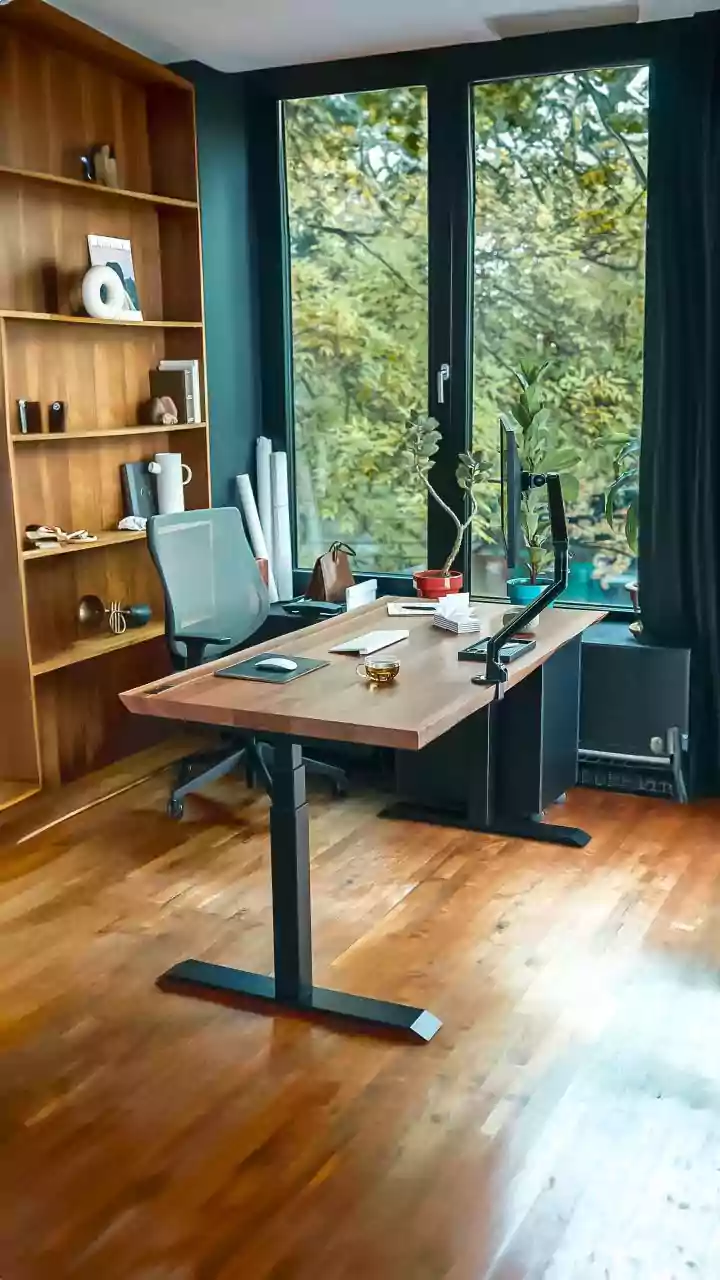
One of the most effective ways to increase NEAT is to simply get on your feet. Standing burns significantly more calories than sitting. If you have access to a standing desk, try to alternate between sitting and standing every hour. If not, create your own standing breaks. Make it a rule to stand up and pace around whenever you take a phone call. Set a timer to remind yourself to get up every 30 to 60 minutes for a quick stretch or a short walk around the office. These small changes disrupt sedentary patterns and have a big impact on your daily energy expenditure.
Re-engineer Your Office Routine
Look at your daily tasks through the lens of movement. Instead of sending an instant message or email to a colleague sitting a few rows away, get up and walk to their desk. When you need to refill your water bottle, use a smaller glass to encourage more frequent trips to the cooler. Always opt for the stairs over the elevator. When you head to the washroom or the pantry, take the longest route possible. These small decisions transform mundane office habits into valuable opportunities for physical activity.
Utilise Your Break Time Actively
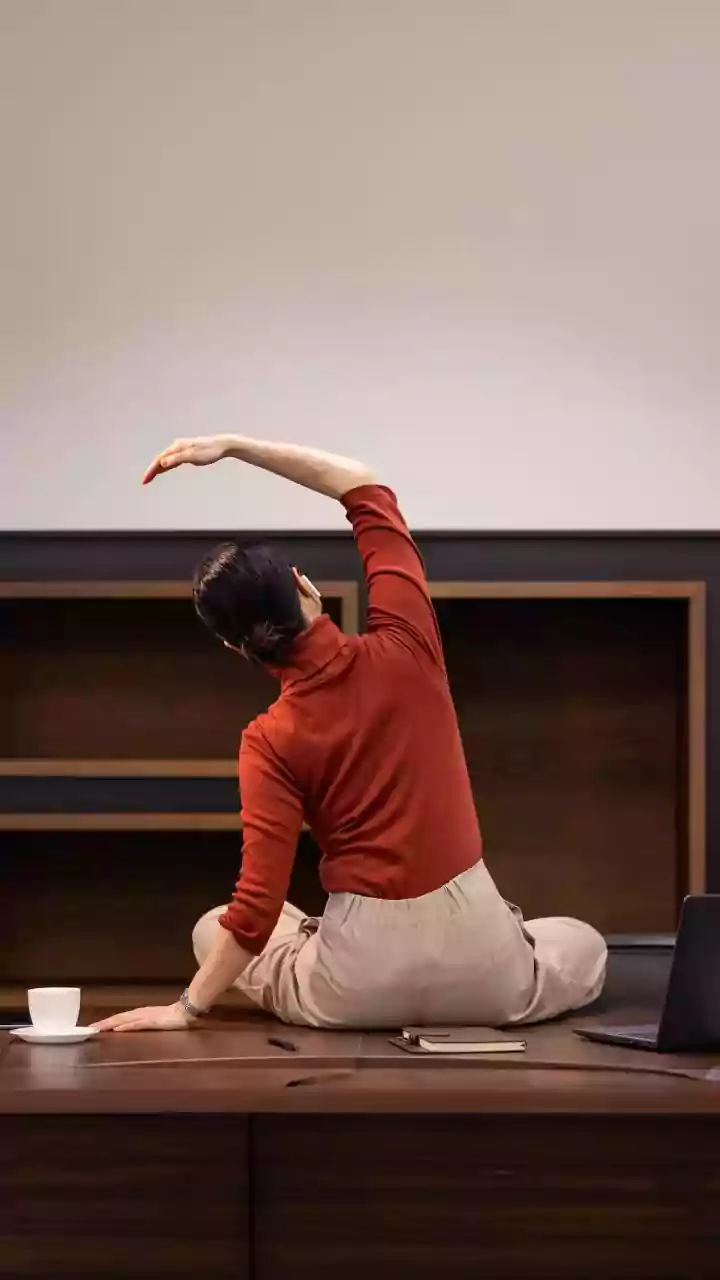
Your lunch break is a golden opportunity to boost your NEAT. Resist the urge to eat at your desk. Instead, step away from your workstation, and if possible, take a brisk 10-15 minute walk after your meal. This not only gets your body moving but also aids digestion and can help prevent that dreaded post-lunch slump. You can also break your day up with what some experts call "movement snacks.". This involves taking a five-minute break every hour or so for some quick desk-based stretches, squats, or lunges to re-energise your body and mind.