





The Myth of the Willpower Battle
For years, the prevailing wisdom has been that our self-control is like a muscle that gets tired. Each decision we make—from resisting a sweet treat to focusing on a task—depletes this finite resource. In this model, trying to exercise more, eat healthier,
and sleep better all at once is a recipe for failure because each new habit is in a fierce competition for your energy and attention. This can leave people feeling defeated, as if they lack the necessary discipline to make positive changes. The idea of a 'willpower budget' suggests you can only focus on one major change at a time, making the path to a healthier lifestyle seem incredibly slow and arduous.
A Shift in Perspective: The Power of Keystone Habits
New thinking in behavioural science challenges this competitive model. Instead, it proposes that some habits act as catalysts, creating a positive domino effect. Coined by author Charles Duhigg, these are known as "keystone habits." They are small, strategic practices that spark a chain reaction of other good behaviours, often without conscious effort. The idea isn't that you suddenly have more willpower, but that the right habit fundamentally changes your internal environment, making subsequent positive choices feel more natural and less like a struggle. This creates a system where habits work together, accumulating benefits rather than draining your resolve.
How One Good Habit Unlocks Others
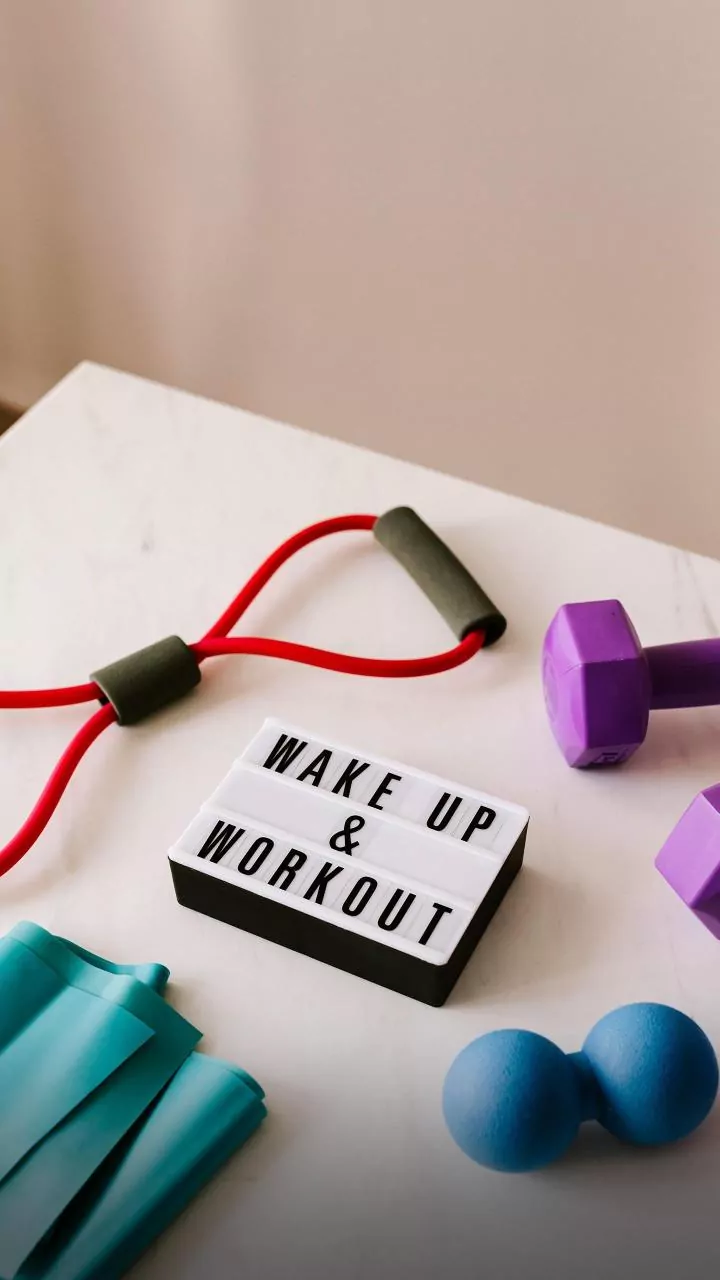
The classic example of a keystone habit is regular exercise. Research has consistently shown that when people start exercising habitually, other areas of their lives often improve automatically. One study found that students who began exercising also reported decreases in stress, smoking, and caffeine consumption while improving their eating habits and emotional control. They weren't asked to change these other behaviours; the improvements were a spillover effect. This happens because a keystone habit can alter your self-perception. When you start seeing yourself as 'a person who exercises,' other healthy actions, like eating a nutritious meal, feel consistent with this new identity. This alignment makes it easier to adopt further positive habits.
The Science of a Virtuous Cycle
This accumulation is rooted in how our brains form routines. Every habit follows a neurological loop of a cue, a routine, and a reward. A keystone habit works by providing powerful, tangible rewards—often called "small wins"—that build confidence and momentum. For example, the feeling of accomplishment after a morning workout is a reward that reinforces the behaviour. This success creates a positive feedback loop, making you more likely to tackle another challenge. Furthermore, establishing one stable routine reduces decision fatigue and creates structure that other habits can latch onto. This process is supported by neuroplasticity, where repeating an action physically strengthens the neural pathways in your brain, making the behaviour more automatic over time.
Putting Accumulation Into Practice
So, how do you harness this power? The key is to stop trying to change everything at once. Instead, focus on identifying and building one keystone habit. Ask yourself: what single change could create the biggest positive ripple effect in my life? For many, it's exercise, but it could also be a consistent sleep schedule, daily meditation, or preparing a healthy lunch. Another effective strategy is "habit stacking," where you link a new desired behaviour to an existing one. For instance, if you already make a cup of tea every morning, you could stack a new habit of five minutes of stretching right after. The existing habit becomes the cue for the new one, making it easier to remember and integrate. The goal is to make the new action as easy and automatic as possible, letting it build upon the foundation you've already set.