

The New Mandate for Transparency
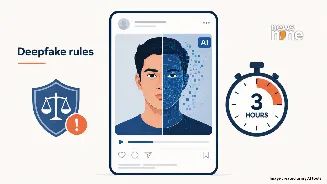
Major platforms like YouTube and Meta have rolled out mandatory disclosure policies for content made with artificial intelligence. Creators are now required during the upload process to declare if their work contains realistic-looking video or audio that
was synthetically generated. This isn't just a platform preference; it's being codified into law. The European Union's landmark AI Act, for example, makes labelling a legal requirement for many types of AI content starting in August 2026, shifting this from a platform rule to a legal obligation. The stated purpose is simple and commendable: to ensure viewers are not misled by deepfakes or fabricated events. The rules specifically target content that could be mistaken for reality, such as using an AI-cloned voice of a real person or creating a realistic scene of an event that never happened. Using AI to help write a script or generate creative ideas generally does not require a label.
The Burden of Interpretation
While the principle is clear, the execution places a significant burden on individual creators. The responsibility to interpret ambiguous terms like "realistic" or "significantly altered" falls to them. Is a minor AI-powered touch-up on a face considered a deepfake? Does AI audio cleanup count as manipulation? Creators must now act as compliance officers, navigating a complex and evolving set of rules where a wrong guess can have serious consequences. Penalties for failing to disclose properly can range from a video's reach being limited to outright demonetization or content removal. Under the EU's AI Act, non-compliance could even lead to fines or legal challenges from competitors, raising the stakes considerably.
Shifting Liability Downstream
From the platforms' perspective, this approach is operationally efficient. Building a flawless, automated system to detect every nuance of AI use across billions of uploads is a monumental technical and financial challenge. It is far simpler to mandate self-disclosure and enforce compliance with penalties. This effectively shifts the legal and operational liability from the multi-trillion dollar platform to the individual creator. While platforms do use automated systems that can detect industry-standard signals in AI-generated files, the primary enforcement mechanism remains the creator-led disclosure. This model makes the creator the first and most accountable line of defense in the platforms' strategy to manage AI content.
Unintended Consequences for Creativity
This focus on creator compliance may have unintended side effects. One major concern is "label fatigue." If the rules are applied too broadly, audiences may be inundated with "Made with AI" labels on everything from blockbuster films to advertisements, causing them to ignore the warnings altogether and defeating the purpose of flagging genuinely deceptive content. Furthermore, the fear of accidentally violating a vaguely worded policy could create a chilling effect on creativity. Artists and entertainers who want to experiment with AI tools in novel ways may hesitate, worried that they might cross an invisible line and be penalized for it. Instead of fostering responsible innovation, the constant threat of non-compliance risks pushing creators toward safer, less experimental content, ultimately stifling the very creativity the platforms claim to support.