




More Than Just a Quick Fix
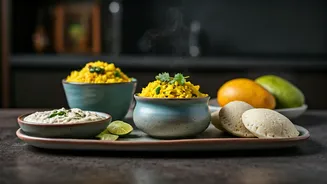
Let’s be honest: upma has a reputation. For some, it’s a comforting taste of home. For others, it’s the default ‘quick-and-easy’ breakfast that can sometimes turn out lumpy or bland. It’s the dish many of us grew up with, a reliable presence on the breakfast table
that was appreciated more for its speed than its flair. But that perception is rapidly changing. The same qualities that once made upma seem merely convenient are now being viewed through a new lens of wellness, sustainability, and mindful eating. It’s no longer just a fallback option; it’s becoming a conscious choice for people looking to balance tradition with modern health goals.
The Unsung Nutritional Hero
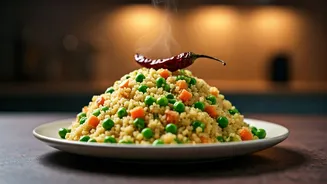
The primary driver behind upma's resurgence is health. Traditional upma, made from roasted semolina (rava or sooji), is naturally low in fat and cholesterol. When packed with vegetables like carrots, peas, and beans, it becomes a balanced meal, delivering complex carbohydrates for sustained energy, fibre, and essential vitamins. Semolina is rich in iron and magnesium, crucial for blood production and nerve function. The new star of the show, however, is millet upma. As ancient grains like foxtail millet (kangni), pearl millet (bajra), and sorghum (jowar) enter the mainstream, they are transforming the dish. Millets are gluten-free, have a lower glycaemic index than refined grains (making them excellent for managing blood sugar), and are packed with protein and fibre. This has turned upma into a powerhouse breakfast for the health-conscious.
The Ultimate Customisable Meal
In an era of personalised everything, upma is the perfect culinary canvas. Its base flavour is mild, making it incredibly versatile. You can’t get bored with it because it never has to be the same meal twice. Feeling traditional? A simple tadka of mustard seeds, curry leaves, and urad dal is all you need. Want more protein? Add a handful of roasted peanuts or cashews. Need to clear out the fridge? Almost any vegetable works, from finely chopped capsicum and tomatoes to corn and cauliflower. Some home cooks are even adding paneer or tofu for an extra protein boost. This adaptability makes it a perfect fit for modern, busy lifestyles where meals need to be quick but also nutritious and interesting.
A Comforting Bite of Nostalgia
Beyond the health benefits and convenience, there’s an undeniable emotional pull. As our lives get faster and more globalised, there's a growing desire to reconnect with our roots. Upma is a taste of childhood, a culinary hug that reminds many of lazy Sunday mornings or a mother’s quick, loving meal. In a world of smoothie bowls and avocado toast, the simplicity of a well-made upma offers a grounding, comforting experience. It represents a return to whole, unprocessed foods and the wisdom of traditional Indian kitchens. This nostalgic appeal, combined with its newfound health credentials, creates a powerful combination that resonates deeply with millennials and Gen Z who are exploring their culinary heritage.
The Modern Culinary Makeover
Upma is not just being revived; it’s being reinvented. Chefs and adventurous home cooks are giving it a contemporary spin. You'll find quinoa upma on trendy cafe menus, offering a gluten-free, high-protein alternative. Bread upma, a classic way to use up stale bread, is being rediscovered as a delicious savoury snack. There are versions made with oats, vermicelli (sevaiyan), and even cauliflower rice for those on low-carb diets. Some are experimenting with pesto, sundried tomatoes, or mushrooms, fusing Indian techniques with global flavours. This spirit of innovation keeps the dish exciting and relevant, proving that this old favourite has plenty of new tricks up its sleeve.