


The Digital Downpour
This monsoon, a scroll through social media reveals a delicious trend: food content creators are moving beyond generic café fare and diving deep into India’s treasure trove of regional rainy-day snacks. The universal craving for pakoras and chai is now
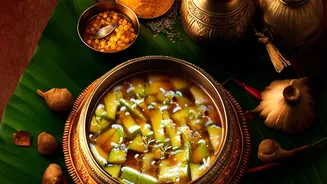
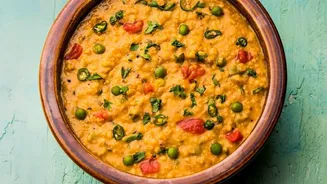
the entry point to a much wider culinary conversation. Creators are tapping into the powerful, shared experience of the monsoon, where the sound of rain is intrinsically linked to the sizzle of a frying pan. They've realised that a simple bowl of khichuri or a plate of freshly fried fritters generates more than just views; it creates an instant connection, a digital nod to a feeling every Indian understands. This shift isn't just about food; it's about capturing a mood, a memory, and serving it up to an audience hungry for authenticity.
Beyond the Usual Bhajiya
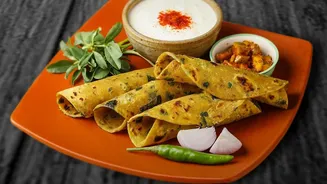
While the love for onion and potato pakoras is eternal, this season's stars are hyper-regional delicacies that tell a specific story. In Kerala, creators are showcasing Pazham Pori, sweet, golden fritters made from ripe plantains, celebrating a snack that is synonymous with evening tea in the state. Travel east, and you'll find feeds filled with West Bengal’s Beguni—thin slices of eggplant dipped in a spiced gram flour batter and fried to perfection. It’s a simple dish, but one that is deeply woven into the fabric of Bengali culture, often paired with khichuri on a rainy afternoon. On the west coast, recipes for Patrode or Alu Vadi are making a comeback. These are rolls made from colocasia leaves smeared with a spiced gram flour paste, then steamed and fried—a beloved snack in Maharashtra and Gujarat, especially when fresh arbi leaves are abundant in the monsoon. These dishes are winning because they offer something new yet deeply familiar.
The Appeal of Authenticity
So, why this sudden surge in regional pride? It's a combination of factors. Firstly, there is a growing desire among audiences for content that feels real and rooted in tradition. After years of globalised food trends, there's a collective turn towards home, a search for flavours that have personal history. These recipes, passed down through generations, offer a powerful antidote to digital fatigue. Secondly, nostalgia is a potent force. A creator making their grandmother’s recipe for gulgule (sweet fritters) isn't just sharing a dish; they're sharing a story of childhood, comfort, and simpler times, something that resonates deeply with viewers. This trend, sometimes called 'newstalgia', blends the classic with the contemporary, reviving old recipes for a new, screen-savvy generation.
A Creator's Recipe for Success
For content creators, this trend is a win-win. Regional recipes provide a vast, untapped well of content that helps them stand out in a crowded digital space. It allows them to showcase their culinary skills while building a more meaningful relationship with their audience. The engagement on a video about a local, almost-forgotten snack is often more passionate and personal than on a post about a trendy, generic dish. It sparks conversations, with followers sharing their own family variations and memories in the comments. This focus on regional food also aligns with a broader cultural shift, where chefs and food lovers are championing India's immense culinary diversity, proving that the most exciting flavours are often found not in fancy restaurants, but in the heart of a home kitchen during a downpour.