







The Old Bottleneck: Why Smaller Cities Were Left Behind
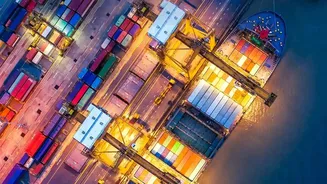
Historically, India's supply chain was built around a centralized model. Companies established massive warehouses near major metropolitan hubs like Mumbai, Delhi-NCR, and Bengaluru to serve large, concentrated populations. While efficient for metros,
this system created a significant bottleneck for reaching the rest of the country. Transporting goods to Tier-2 and Tier-3 cities was slow, expensive, and logistically complex. For fast-moving consumer goods (FMCG) and e-commerce players, the cost of servicing these less dense markets often outweighed the potential rewards, leaving consumers with fewer options and longer delivery times. This traditional hub-and-spoke model simply wasn't designed for the increasingly fragmented and distributed demand of a modernizing India.
A Wave of Investment Changes the Map
A perfect storm of factors is driving companies to rethink their distribution strategies. The rapid growth of e-commerce, rising disposable incomes in non-metro areas, and significant government infrastructure spending have made smaller cities irresistible new frontiers for growth. In response, both global giants and domestic leaders are pouring money into creating a more decentralized logistics network. According to a 2024 report by CBRE, Tier-2 and Tier-3 cities now account for over a third of all new warehousing lease volumes, a massive jump from previous years. Cities like Indore, Coimbatore, Lucknow, and Patna are emerging as critical logistics hubs, breaking the traditional dominance of metros.
The Hub-and-Spoke Model Reimagined
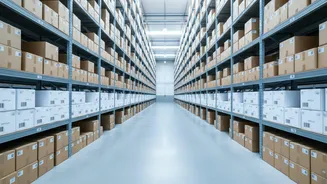
Instead of relying on a few mega-warehouses, companies are adopting a more agile 'hub-and-spoke' model. This involves placing large regional distribution centers in strategic Tier-2 cities, which then supply smaller, localized 'spoke' facilities or micro-warehouses closer to the end consumer. This network allows companies to hold inventory nearer to where the demand is, drastically cutting down on delivery times and transportation costs. E-commerce leaders like Amazon are aggressively expanding their rural delivery networks, while FMCG companies such as Unilever, Nestlé, and Mondelez are adding tens of thousands of retail stores in smaller towns to their distribution reach.
More Than Just Faster Online Shopping
The impact extends far beyond getting your online orders quicker. The influx of investment is a powerful engine for local economic growth. The construction and operation of these new warehouses and distribution centers create thousands of jobs, from management to logistics and delivery personnel. For local Kirana stores and small businesses, it means better and more reliable access to a wider variety of products from national brands, allowing them to compete more effectively. Consumers benefit from not only a greater selection of goods but also more competitive pricing as supply chain inefficiencies are reduced. This enhanced accessibility is a key step in integrating India’s next wave of consumers into the mainstream economy.
Challenges on the Final Mile
Despite the progress, significant challenges remain. The 'last mile'—the final step of the delivery process from a local hub to a customer's doorstep—is often the most expensive and complex part of the journey. In many smaller towns and rural areas, inadequate road infrastructure and a lack of standardized addresses can complicate deliveries, increasing costs and delays. However, logistics companies are innovating rapidly to overcome these hurdles. The use of AI-powered route optimization, real-time tracking, and hyperlocal delivery models that leverage local stores as fulfillment points are becoming more common. Even India Post has launched new last-mile services for corporate clients to strengthen this final link in the chain.