







The New Furry Family Member
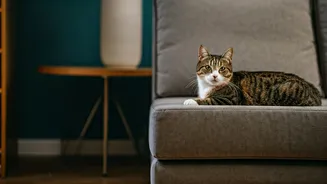
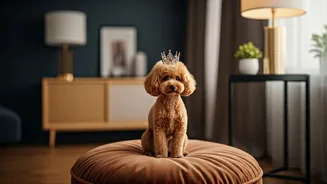
Not long ago, a dog in an Indian household was primarily a guard for the gate, living on leftovers and simple biscuits. Today, that same dog is more likely to be a ‘fur baby’ with its own Instagram account, a specialised diet, and a wardrobe that rivals
its human’s. This cultural pivot is the engine driving the pet care boom. In bustling metros like Mumbai, Bengaluru, and Delhi, a confluence of social factors—rising disposable incomes, the growth of nuclear families, and millennials and Gen Z delaying marriage and parenthood—has elevated pets from animals to integral family members. This ‘humanisation’ of pets means owners, or ‘pet parents’ as they prefer to be called, are willing to spend significantly more on their companions’ well-being and happiness.
Beyond Just Food and Water
The market has exploded far beyond basic necessities. The pet food aisle is no longer just kibble; it’s a cornucopia of gourmet wet food, grain-free formulas, freeze-dried treats, and even curated meal plans delivered to your door. Companies like Heads Up for Tails, which started as a small kiosk, have become massive retail chains offering everything from orthopedic beds and anti-anxiety jackets to custom-engraved name tags and paw-moisturising balms. This premiumisation is visible everywhere. Pet parents are now investing in health supplements, dental care products, and high-tech gadgets like GPS trackers and automated feeders, treating their pets’ health and comfort with the same seriousness they would for a human child.
A Service Economy for Paws
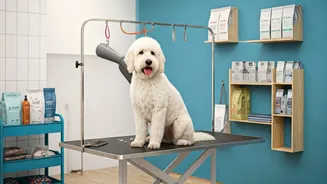
The biggest shift, however, is in the service sector. The lonely hours while owners are at work have been replaced by doggy daycare centres complete with play areas and nap times. Weekend trips no longer mean leaving your pet with a neighbour; they mean checking them into luxury ‘pet hotels’ that offer private rooms, swimming pools, and 24/7 webcam access. The grooming industry has also gone high-end, with mobile vans and boutique salons offering services like ‘pawdicures’, aromatherapy baths, and breed-specific haircuts. Beyond that, a new ecosystem of professionals has emerged: certified canine behaviourists, pet photographers for birthday shoots, and even event planners who specialise in organising pet-friendly parties and ‘paw-some’ gatherings.
The Rise of the ‘Pet-Preneur’
This demand has fuelled a startup boom. A new generation of entrepreneurs, many of them pet owners themselves, have identified gaps in the market and are rushing to fill them. From D2C (direct-to-consumer) brands selling organic treats to tech platforms connecting pet owners with verified sitters and walkers, venture capital is flowing into the ‘pet-tech’ space. These startups are not just mimicking Western trends; they are customising them for the Indian context, offering products suited to the climate and services that cater to the lifestyle of the urban Indian professional. They leverage social media marketing brilliantly, building communities around their brands and turning happy pets into their most effective influencers.
Following the Money Trail
So, how big is it really? While pinning down an exact figure is complex, market research firms paint a clear picture of explosive growth. Projections from multiple analysts, including Euromonitor International, suggest the Indian pet care market is valued at well over $1 billion and is forecast to grow at a compound annual growth rate (CAGR) of over 15-20% in the coming years. This trajectory puts it among the fastest-growing pet markets globally. The growth isn't just in the number of pets, but in the average revenue per pet, as owners spend more across a wider array of categories, from premium food and healthcare to wellness and entertainment.