






What Exactly is Digital Gold?
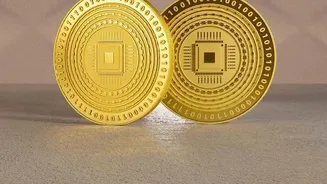
Digital gold is a modern way to buy and own physical gold without the hassles of storage and security. When you invest online through a fintech app or platform, you are buying 24-karat gold that is 99.9% pure. This gold is then stored in insured, secure
vaults by a custodian, such as MMTC-PAMP or SafeGold, on your behalf. You receive a digital certificate of ownership, and your holdings are visible in your app's 'digital locker'. The key difference from physical gold is the accessibility; you can buy fractions of a gram, starting with amounts as low as ₹1, instead of needing to purchase a whole coin or piece of jewellery.
The Power of Small, Disciplined Savings
The idea of investing ₹100 daily is rooted in the principle of systematic saving. Much like a Systematic Investment Plan (SIP) for mutual funds, this approach turns a large financial goal into a series of small, manageable steps. By investing a small, fixed amount regularly, you average out your purchase price over time, a strategy known as rupee cost averaging. This discipline helps you accumulate grams of gold steadily without feeling the pinch of a large one-time payment. Over months and years, these small daily contributions can grow into a significant asset, making gold investment accessible to everyone, from students to young professionals. Many platforms like Jar and Gullak have built features specifically around this habit of daily savings.
How to Get Started: A Step-by-Step Guide
Starting your digital gold journey is remarkably straightforward. First, choose a trusted platform. Popular options include payment apps like PhonePe, Google Pay, and Paytm, which have partnered with gold custodians like MMTC-PAMP and SafeGold. You can also use specialised fintech apps. Next, you'll need to complete a one-time KYC (Know Your Customer) process, which usually involves verifying your PAN card. Once registered, you can check the live gold price on the app, which is updated in real-time. Then, simply enter the amount you wish to invest—either in rupees or in grams—and make the payment using UPI, net banking, or a debit card. The corresponding gold is instantly credited to your digital vault.
Converting Digital Holdings to Physical Gold
A major advantage of digital gold is the ability to convert your accumulated savings into physical assets. Most platforms allow you to request delivery once you reach a minimum quantity, often as little as half a gram or one gram. You can typically choose from a catalogue of 24K gold coins and bars in various weights. It is important to note that this conversion involves extra costs. You will need to pay 'making charges' for minting the coin, along with delivery and insurance fees. Some platforms, like Tanishq, even allow you to exchange your digital balance for jewellery at their physical stores.
Understanding the Costs and Risks
While digital gold is convenient, it's crucial to be aware of the costs. A 3% Goods and Services Tax (GST) is applied to every purchase, just like with physical gold. Additionally, there can be a small difference between the buying and selling price, known as a spread. While storage is often free for the first few years, some providers may charge a fee after that period. The most significant risk is the lack of direct regulation. Digital gold does not fall under the purview of SEBI or the RBI, which means it lacks the formal investor protection mechanisms associated with products like gold ETFs or mutual funds. However, discussions are underway to bring the sector under a regulatory framework.