

The Search for Something New
For decades, the Indian tourist trail has been well-defined: the beaches of Goa, the hills of Shimla and Manali, and the historic Golden Triangle. But as these locations grapple with the pressures of overtourism—including traffic congestion, strained
resources, and environmental degradation—a new kind of traveller is emerging. This modern explorer, often influenced by social media and a desire for unique experiences, is looking for authenticity, peace, and a deeper connection to place. They are driven by a desire to escape the crowds and discover India's hidden treasures, leading to the rise of several compelling alternative destinations. This shift is not just about avoiding crowds; it's about finding more sustainable and meaningful ways to travel.
Instead of Overcrowded Hills, Try the Valleys of Arunachal Pradesh
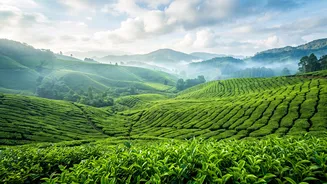
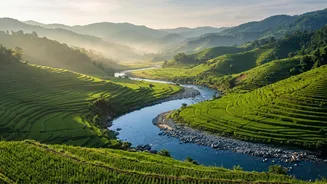
While traditional hill stations like Shimla and Manali are known for their beauty, they are also known for their peak-season traffic jams and packed markets. As an alternative, consider the serene landscapes of Arunachal Pradesh. Places like Ziro Valley, home to the Apatani tribe, offer a unique cultural immersion alongside stunning natural beauty. Instead of commercial hotels, visitors can often find welcoming homestays that offer a genuine connection to the local community and a more sustainable way to travel. Government initiatives are also working to improve connectivity to the Northeast, making these once-remote areas more accessible for those seeking solitude and adventure.
Swap Popular Beaches for Odisha's Coastline
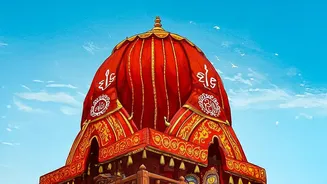
Goa's famous beaches, like Baga and Calangute, are often the first choice for a seaside holiday, but they frequently suffer from overcrowding. For a different coastal experience, India's eastern shoreline offers a compelling alternative. Odisha’s coastline, for example, features vast, cleaner, and less-populated beaches. Beyond the sand, the state is rich in history, with ancient temples and a distinct cultural heritage that offers a different kind of discovery. This provides a more tranquil and culturally rich alternative to the party-centric atmosphere of more famous beach destinations.
Explore the Backwaters Beyond Alleppey
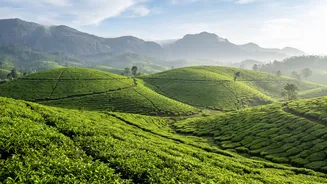
The backwaters of Alleppey in Kerala are iconic, but their popularity has led to a high concentration of houseboats and tourists. For a more peaceful experience, travellers are venturing to lesser-known backwater destinations like Poovar or the serene waterways of the northern parts of Kerala. These areas offer the same breathtaking scenery—lush greenery, tranquil waters, and vibrant birdlife—but with a fraction of the crowds. Opting for these locations often supports smaller, local-run operations and provides a more intimate glimpse into the traditional backwater way of life, away from the more commercialized circuits.
The Rise of Sustainable and Responsible Travel
This shift is supported by a growing consciousness among travellers about their environmental and social impact. A significant number of Indian tourists now express a desire to travel more sustainably, which includes choosing destinations that are not overburdened. Initiatives like the government's Swadesh Darshan and Dekho Apna Desh campaigns are also encouraging the exploration of new tourist circuits, aiming to distribute the economic benefits of tourism more evenly across the country. By promoting theme-based circuits such as eco-tourism, tribal circuits, and Himalayan circuits, these programs help develop infrastructure in emerging areas and highlight their unique attractions.