

Why Soil Isn't Just 'Dirt'
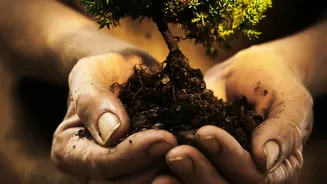
It’s tempting to scoop some soil from your garden, but this is one of the biggest mistakes you can make for a potted plant. Garden soil is heavy, compacts easily, and can introduce pests and diseases. Houseplants need a sterile, lightweight potting mix
designed for containers. A good mix serves three critical functions: it provides structure for the roots, retains the right amount of moisture, and allows for crucial airflow. Without air, roots can't breathe, leading to suffocation and root rot, one of the most common killers of indoor plants.
Decoding the Potting Mix Bag
Walking down the gardening aisle can be confusing. Most high-quality potting mixes are actually 'soilless' and contain a blend of specific ingredients to create the ideal environment. Key components often include peat moss or its sustainable alternative, coco coir, which retain moisture. Perlite and pumice, those little white or grey rocks, are volcanic minerals added to improve drainage and create air pockets. Vermiculite also helps with aeration but holds more moisture and nutrients than perlite. Some mixes also contain compost or worm castings for a natural nutrient boost.
Match the Mix to the Plant
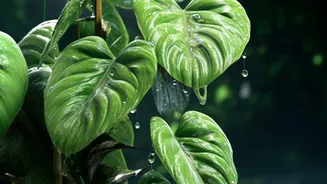
There is no one-size-fits-all soil. Different plants have vastly different needs. Cacti and succulents, for instance, hail from arid environments and require a fast-draining mix, often amended with sand or extra perlite to prevent their roots from sitting in water. Tropical plants like Monsteras, Philodendrons, and other aroids thrive in a chunky, airy mix that mimics their natural habitat of growing on trees; adding orchid bark or coco chips achieves this texture. Ferns, on the other hand, love consistent moisture, so a mix with higher peat or coir content is beneficial. Speciality mixes are available for many plant types, from orchids to African violets.
Choosing the Right Container
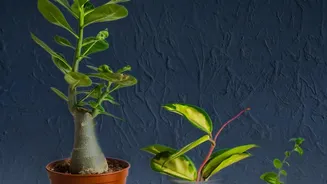
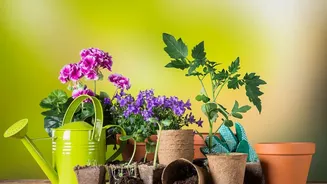
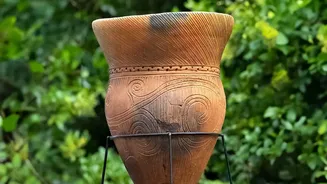
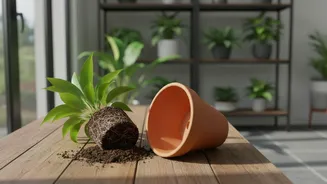
The pot you choose is just as important as the soil within it. The material dictates how quickly the soil will dry out. Terracotta pots are porous, allowing air and water to pass through the walls. This helps the soil dry faster, making them a forgiving choice for beginners and ideal for plants that prefer drier conditions, like succulents and snake plants. Plastic and glazed ceramic pots are non-porous and retain moisture for much longer. This makes them suitable for moisture-loving plants but requires a more careful watering hand to avoid waterlogging.
Size and Drainage Are Critical
Two rules of repotting are non-negotiable: proper drainage and appropriate sizing. A pot must have a drainage hole. Without it, excess water pools at the bottom, suffocating roots and causing rot. It also allows excess salts from fertilizer and tap water to be flushed out. When sizing up, resist the urge to give your plant a mansion. A pot that is too large holds excess soil that stays wet for too long, which can also lead to root rot. The general rule is to choose a new pot that is only about 2 to 4 centimetres wider in diameter than the old one. This gives the roots room to grow without being overwhelmed.