







A Trend Backed by Numbers
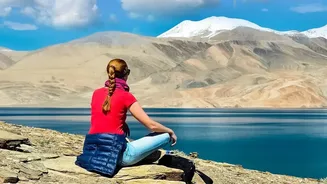
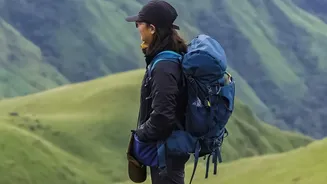
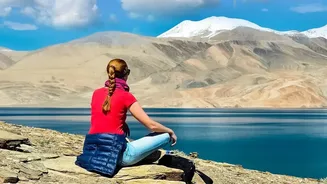
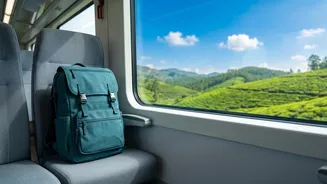
Once a rarity, solo female travel in India is now a rapidly growing movement. Data from various travel platforms confirms this surge. Hostel aggregator Zostel recorded over 92,000 bookings from solo women in 2025, a nearly threefold increase from pre-pandemic
levels. Similarly, bus service IntrCity noted a 135% rise in solo female passengers between 2023 and 2025. This isn't a niche segment anymore; it's a powerful demographic driven by greater financial independence, evolving social norms, and a deep-seated desire for self-discovery and immersive experiences. Women are not just booking trips; they are increasingly planning, budgeting, and influencing the majority of leisure itineraries, making the market decidedly "She-Planned."
Drivers of the Solo Journey
Several factors are fuelling this phenomenon. The primary driver is growing economic empowerment, which gives women the resources and confidence to travel independently. Social media also plays a crucial role, with countless influencers and travel bloggers showcasing the joys and possibilities of solo journeys, effectively normalising what was once a daunting prospect. This digital exposure has transformed solo travel from a radical act into an aspirational goal for many. Furthermore, women are seeking escapes from the daily hustle, viewing travel as a way to rejuvenate, connect with new people, and engage in personal growth. The desire for agency—the freedom to set one's own pace and itinerary—is a powerful motivator, pushing women to seek experiences beyond traditional group or family holidays.
The Persistent Challenge of Safety
Despite the growing enthusiasm, safety remains the single most significant concern for women travelling alone in India. Issues range from unwanted stares and harassment to the more serious risks of assault and theft. This forces many women to adopt defensive strategies: avoiding travel after dark, paying extra for secure accommodation, dressing conservatively, and maintaining a constant state of alertness. The lack of basic amenities like clean and safe public restrooms adds another layer of difficulty. While many women report overwhelmingly positive experiences, the perception and reality of risk mean that safety considerations are always at the forefront of planning, often limiting spontaneity and freedom.
How the Industry Is Adapting
The tourism industry is slowly but surely waking up to the needs and immense potential of this market. A new ecosystem of services is emerging to cater specifically to women. This includes women-only tour companies like Wovoyage and Wander Womaniya, which provide the safety of a group with the spirit of independent travel. Hotels and homestays are creating women-friendly environments, with some offering female-only floors or employing more female staff. There's a growing focus on curated experiences over generic sightseeing, with itineraries built around wellness, adventure, and authentic cultural immersion. Technology also helps, with real-time navigation and vetted accommodation reviews making it easier for travellers to manage their safety. These adaptations are not just about mitigating risk; they're about creating an environment where women feel welcomed, secure, and empowered to explore freely.
The Broader Economic and Cultural Impact
The rise of solo female travel is poised to create a ripple effect across India's economy and culture. This demographic often seeks out offbeat destinations and authentic local experiences, which can help distribute tourist spending away from overcrowded hotspots and into smaller communities. It creates demand for new roles, particularly for women, such as female guides, drivers, and homestay hosts, fostering local entrepreneurship. As more women travel solo and share their positive stories, it can help challenge and reshape both domestic and international perceptions of India as a destination. This shift demands a tourism infrastructure that prioritises not just attractions, but safety, inclusivity, and high-quality, experience-led services, ultimately benefiting all travellers.