




A Shift in the Traveller's Mindset
The Indian tourism industry is experiencing robust growth, but the real story lies in how people are choosing to travel. The sector contributed significantly to India's GDP in 2025, with domestic tourism being the powerhouse. While foreign tourist numbers
are recovering, it is the domestic traveller who is driving a powerful trend: the move away from checklist tourism towards deep, authentic engagement. Modern travellers, particularly younger demographics, are no longer content with just seeing the sights. They seek connection, learning, and participation. This shift has opened the door for experiences that go beyond conventional hotels and tour buses, creating a vibrant ecosystem where local culture is the main attraction. This 'experiential travel' market is booming, with projections expecting it to become a multi-billion dollar industry by 2027.
The Homestay Revolution: A Room and a Story
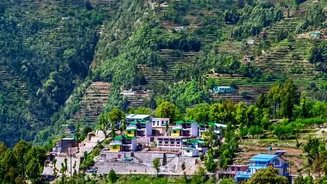
At the heart of this change is the rise of the homestay. Once a niche option, homestays are now a crucial part of India's accommodation strategy, helping to address a significant shortfall in hotel rooms, particularly during peak seasons. Government bodies like NITI Aayog are actively creating frameworks to simplify regulations and provide financial incentives to encourage more families to open their homes to travellers. States like Kerala, Uttarakhand, and Goa have been pioneers, with policies designed to support homestay owners. For travellers, homestays offer an unparalleled opportunity to experience local life, enjoy home-cooked meals, and form genuine connections with their hosts. For homeowners, it provides a vital source of income, empowers women, and allows them to turn their homes into hubs of cultural exchange.
Local Guides as Cultural Ambassadors
The role of the tourist guide is also evolving dramatically. No longer just navigators, local guides are becoming storytellers, interpreters, and the bridge between visitors and the community. Recognising their importance, the Ministry of Tourism has launched initiatives like the Incredible India Tourist Facilitator (IITF) certification programme. This digital-first platform aims to create a large, well-trained cadre of guides across the country, focusing on skills, cultural knowledge, and professionalism. Further upskilling programs were announced in the 2026 Union Budget to train thousands of guides at iconic sites. These initiatives empower local youth with employment opportunities and ensure that the stories of a place are told by those who know them best, adding authenticity and depth to the visitor experience.
When the Entire Community Becomes the Destination
Beyond individual homestays and guides, entire communities are now building tourism models from the ground up. In places like Kumarakom in Kerala, the 'Responsible Tourism Mission' has made villagers active stakeholders, not just spectators. Here, local self-help groups run by women provide meals for hotels, artists perform traditional art forms, and farmers supply local produce, ensuring that tourism revenue circulates within the community. Similar initiatives are taking root across the country, from eco-tourism in Spiti Valley to craft-based experiences in rural Rajasthan. These models, often supported by social enterprises, focus on sustainability and ensuring that the economic benefits of tourism are distributed equitably, empowering communities to preserve their culture and environment.
Navigating the Path Forward
This grassroots tourism boom is not without its challenges. Issues like inadequate infrastructure in remote areas, a lack of digital literacy for marketing, and the risk of cultural commodification need careful management. Ensuring consistent quality and safety standards across thousands of small, independent operations is a significant hurdle. Regulatory frameworks need to be supportive without being stifling, allowing the organic, authentic nature of these experiences to thrive while protecting both hosts and travellers. The key is to strike a balance where growth does not come at the cost of the very culture and environment that makes these destinations so appealing.