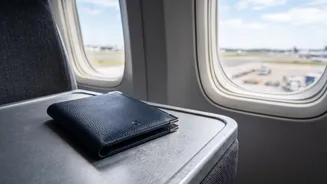








It’s a traveller's classic moment of panic: you've just stepped off the plane and realise your wallet, headphones, or tablet is still in the seat-back pocket. Your first instinct is to turn around, but you'll almost certainly be stopped.
The Broken Security Seal
The simplest reason
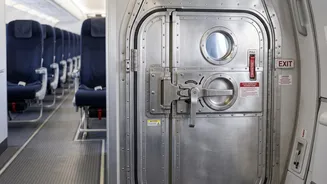
you can’t just walk back onto a plane is security. From the moment the aircraft doors are closed for departure until they are opened at the destination gate, the plane is considered a secure, 'sterile' environment. Everyone and everything on board has been screened. The moment a passenger steps off the aircraft and into the terminal, they are re-entering a less-controlled space. Allowing that person back on board would breach the security protocol. Airline staff have no way of knowing if a passenger picked something up in the terminal, even in the few seconds they were on the jet bridge. To maintain security, once you’re off, you’re off. Re-admitting a passenger would, in a strict sense, require a new security sweep of the aircraft to ensure its sterile integrity, a process that would cause significant delays.
An Operational Headcount
Airlines run on tight schedules and even tighter logistics. A critical part of pre-departure and post-arrival procedures is the passenger manifest and headcount. Once a flight's doors are closed, the airline finalises its paperwork, including weight and balance calculations, which are based on the number of passengers and bags on board. After arrival, the process works in reverse. As passengers deplane, they are accounted for as having completed their journey. If a passenger were to re-enter, they would disrupt this official count. This might sound trivial, but the manifest is a legal document. In case of an emergency or any discrepancy, an accurate count is essential. Furthermore, allowing passengers to move against the flow of deplaning traffic can cause congestion and delays, which can have a knock-on effect for the rest of the day.
The International Border Problem
If you’re on an international flight, the rules become even more rigid due to customs and immigration laws. The moment you step off the plane, you have legally entered a new country, even if you haven't reached the passport control desk yet. The jet bridge itself is often considered the first point of entry. All passengers must proceed in one direction: towards immigration and customs inspection. Attempting to re-board the aircraft is akin to trying to exit the country immediately after entering, bypassing all official exit procedures. Government agencies like Customs and Border Protection have strict rules about how and when people and goods can cross borders. An aircraft that has arrived internationally cannot be re-entered by passengers because it would violate these tightly controlled procedures.
So, What Should You Do?
Realising you’ve left something behind can be stressful, but trying to get back on the plane yourself is never the right move. Instead, you should act quickly and talk to the right people. If you’re still on the jet bridge or at the gate, immediately alert a flight attendant or the gate agent. A crew member who is still on the aircraft can often retrieve the item for you quickly. They are permitted to be on the plane, and they can do so without violating security or operational protocols. If you’ve already moved further into the terminal, head straight back to the airline’s customer service desk at the arrival gate. Provide them with your flight number, seat number, and a description of the item. They can contact the cleaning or ground crew who service the aircraft between flights. If you've already left the airport, your next step is to file a lost item report on the airline's website as soon as possible.