





The Unavoidable Reality of Price Hikes
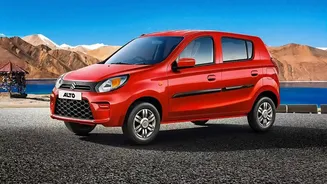
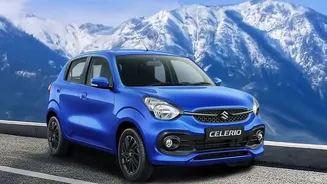
Several of India’s largest carmakers have announced price increases in August and September 2026, creating a challenging environment for festive buyers. Just this month, Maruti Suzuki hiked prices by up to ₹30,000 on certain models. Following suit, Hyundai
announced an increase of up to 1% across its portfolio from September. Tata Motors also declared a price revision of up to ₹25,000, effective September 1, marking its third hike in recent months. Automakers universally cite the same reasons for these hikes: sustained inflation, rising input and commodity costs, and volatile geopolitical situations affecting supply chains. These companies state that while they have tried to absorb a significant portion of the increased costs, they are now compelled to pass some of the burden to customers.
Understanding the Cost Drivers
The persistent rise in car prices isn't arbitrary. It's a consequence of several converging economic factors. The cost of raw materials like steel and aluminium has been a significant pressure point for years. Furthermore, increasingly stringent government regulations, such as new safety and emission norms, require manufacturers to add more advanced and costly technology to their vehicles. The industry’s shift towards electric and hybrid vehicles also plays a role, as the investment in new powertrain technology and components like expensive battery packs contributes to the overall cost structure. Even as automakers ramp up production for the festive season, these underlying cost pressures remain, making substantial discounts less likely.
The Festive Season Conundrum
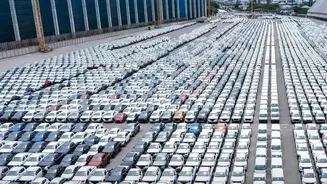
Traditionally, the festive season is synonymous with attractive deals and robust sales in the Indian auto market. Manufacturers launch new models and offer discounts to draw in customers making auspicious purchases. This year, while automakers are indeed preparing for strong demand and lining up new launches, the nature of festive offers might change. Instead of large cash discounts on the ex-showroom price, consumers might see more offers bundled as accessories, extended warranties, or service packages. With inventory at dealerships already high, there might be some room for negotiation, but likely on older or less popular models. Buyers should manage their expectations and not assume that festive deals will completely offset the recent price hikes.
A Strategic Approach to Buying
Navigating this market requires a clear and informed strategy. The first step is to look beyond the ex-showroom price and consider the total cost of ownership. This includes insurance, registration, routine maintenance, and potential fuel expenses. For those with a flexible budget, exploring different fuel types—petrol, CNG, hybrid, or EV—is crucial. A strong hybrid might offer better long-term savings for a city user despite a higher initial cost. It's also a good time to consider a high-quality used car. A well-maintained pre-owned vehicle can offer features from a higher segment at the price of a new entry-level car, providing better value and slower depreciation.
Your Pre-Purchase Checklist
Before walking into a showroom, arm yourself with research. Finalise a strict, all-inclusive budget and stick to it. Thoroughly compare the models on your shortlist, paying close attention to safety ratings from programs like GNCAP, not just cosmetic features. Always take an extensive test drive that simulates your daily driving conditions. Given the high demand for popular models, be sure to inquire about waiting periods, which can sometimes stretch for months. Finally, remember that negotiation is still possible. While the ex-showroom price may be firm, you can often negotiate on the cost of insurance, accessories, and financing options to lower your overall outflow.