




Why All the Fuss About Fibre?
Fibre is a type of carbohydrate that our bodies can't digest, and that's a good thing. It plays a crucial role in our overall health, well beyond just preventing constipation. A high-fibre diet helps manage blood sugar levels by slowing sugar absorption,
which is vital for preventing and managing diabetes. It can also lower cholesterol, reduce the risk of heart disease, and aid in maintaining a healthy weight by making you feel fuller for longer. Experts recommend that Indian adults consume between 25 to 30 grams of fibre daily. However, studies suggest many urban Indians get only about half of that amount, often due to a reliance on refined grains and processed foods.
Embrace Our Traditional Grains
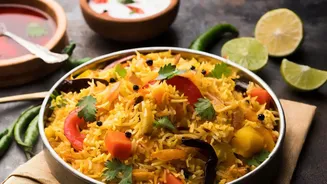
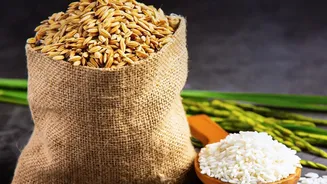
One of the easiest ways to increase your fibre intake is by rethinking your daily rotis and rice. Instead of using only refined wheat flour, try mixing in other flours like jowar (sorghum), bajra (pearl millet), or ragi (finger millet). These millets are not only packed with fibre but also add a delicious, earthy flavour to your chapatis. Just adding these flours can increase the fibre content of each roti by 2-3 grams. When it comes to rice, simply swapping white rice for brown or red rice a few times a week can make a significant difference. These unpolished varieties retain their bran, which is where most of the fibre is found. You can also incorporate daliya (broken wheat) and oats into your breakfast routine as upma or porridge.
Let Dals and Legumes Shine
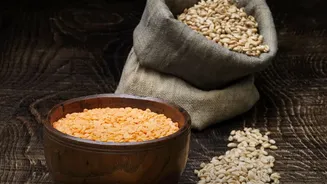
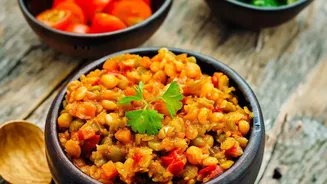
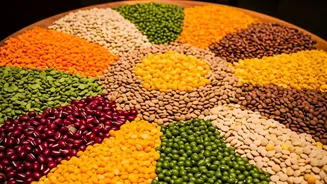
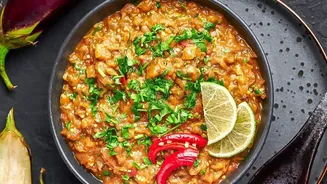
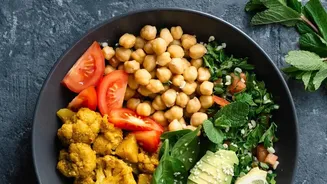
Indian cuisine is blessed with an incredible variety of dals and legumes, all of which are powerhouses of both protein and fibre. Staples like rajma (kidney beans), chana (chickpeas), and whole dals like masoor and moong are fantastic sources. Aim to include a dal or legume in at least one of your main meals every day. Instead of a thin, strained dal, prepare a thicker version where the pulses remain intact to get more of the fibrous goodness. Sprouts are another excellent way to boost fibre; a simple sprouts chaat makes for a perfect mid-day snack that is both filling and nutritious.
Fill Your Plate with Vegetables
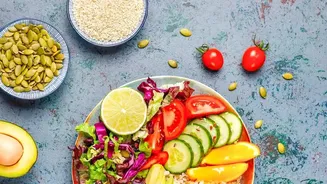
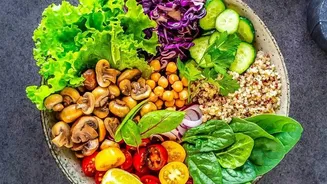
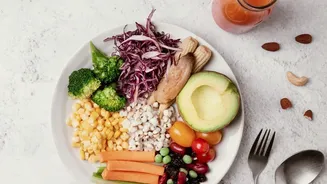
Vegetables are a cornerstone of Indian cooking, and they are your best friends when it comes to fibre. Many of us have a habit of peeling vegetables like carrots, cucumbers, and gourds, but the skin is often where a large portion of the fibre resides. As long as you wash them thoroughly, try to cook them with the skin on. Vegetables like bhindi (okra), beans, spinach, and sweet potatoes are particularly high in fibre. A simple rule of thumb is to fill half your plate with vegetables, whether in the form of a sabzi, a simple salad, or mixed into your dal or khichdi. This not only increases your fibre but also ensures you get a wide range of essential vitamins and minerals.
Snack Smarter, Not Harder
Snack time is often where healthy intentions can go astray. Instead of reaching for packaged biscuits or chips, turn to the wealth of healthy, high-fibre snacks our culture offers. A handful of roasted chana or peanuts is a classic, satisfying option that provides both fibre and protein. Seasonal fruits are another excellent choice. Guava, apples, papayas, and bananas are all readily available and fibre-rich. Whenever possible, eat fruits with their skin to maximise the benefit. Even a small bowl of makhana (fox nuts) can be a light yet filling snack that contributes to your daily fibre goal.