





An Annual Emergency
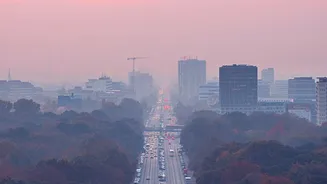
For residents of Delhi and the National Capital Region (NCR), November brings a familiar sense of dread. As of Friday, November 13, 2026, the city's overall Air Quality Index (AQI) surged into the 'Severe' category, with some monitoring stations recording
alarming highs near 490. This has become a predictable annual crisis, driven by a combination of vehicular emissions, industrial pollution, construction dust, and smoke from post-harvest crop burning in neighbouring states. In response, authorities have activated Stage III of the Graded Response Action Plan (GRAP), a set of emergency measures to curb pollution. These actions include restrictions on construction activities and the use of older, more polluting vehicles. However, for millions of families, the most immediate impact is the disruption to their children's education and daily lives.
From Playgrounds to Pixels Again
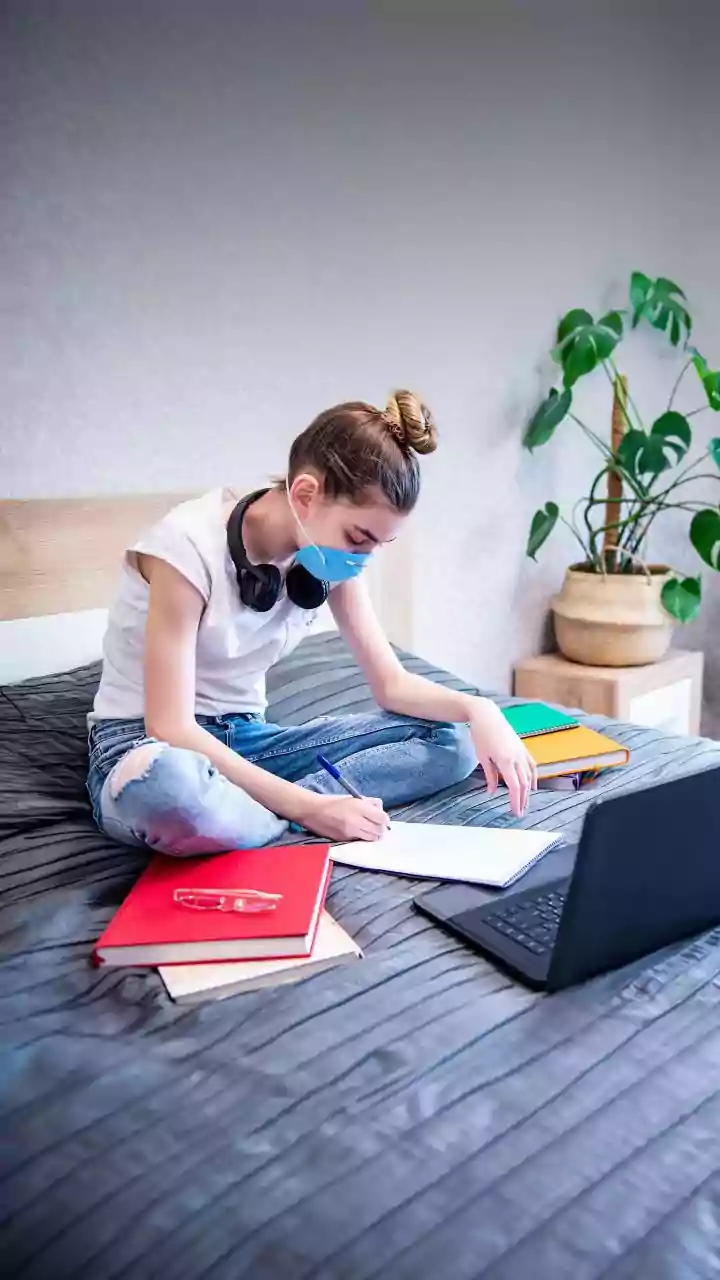
With the air outside deemed unsafe to breathe, the Delhi government has directed schools to shift to hybrid learning for younger students, particularly those in Class 5 and below. This policy gives parents the option to keep their children at home to attend classes virtually. While intended as a protective measure, this recurring shift back to screens is met with growing fatigue and concern. The move revives memories of pandemic-era lockdowns, which took a significant toll on students. For children, it means a return to isolation, swapping invaluable face-to-face interaction with teachers and friends for hours spent in front of a laptop. The loss of routine, play, and social engagement is a heavy price to pay for clean air, and experts are increasingly worried about the cumulative effect on their development.
The Invisible Toll on Young Minds
Beyond the well-documented physical health impacts of toxic air—such as respiratory illnesses and weakened immunity—a more insidious crisis is unfolding. Mental health experts warn that this cycle of pollution-induced confinement is a significant source of stress and anxiety for children. The combination of being trapped indoors, reduced physical activity, and increased screen time creates a perfect storm for psychological distress. Experts note that this environmental stress can lead to irritability, emotional burnout, and chronic anxiety. For a developing child, the lack of peer interaction is particularly damaging, potentially stunting social skills and emotional regulation. This 'pollution anxiety' is becoming a defining feature of childhood for an entire generation in the capital.
Screen Time, Stress, and Academic Gaps
The reliance on online classes as a solution presents its own set of problems. Studies have shown a strong correlation between excessive online learning and mental health challenges in students, including stress and burnout. When children are unable to play outside, they often turn to social media and other online content, creating a cycle of screen dependence that can be difficult to break. This can lead to anxiety related to online social validation and, in some cases, depressive feelings. Furthermore, the effectiveness of online learning remains a concern. An NCERT survey conducted after the COVID-19 pandemic found that just over half of students were able to fully comprehend online content, raising questions about whether this emergency measure creates long-term academic gaps.
Searching for a Breath of Fresh Air
While parents and schools navigate the immediate challenge of keeping children safe and educated, the situation highlights a larger systemic failure. Emergency measures like closing schools are reactive, not preventative. They place the burden of an environmental crisis squarely on the shoulders of the youngest and most vulnerable population. Surveys have revealed the extent of the mental toll, with a high percentage of children in Delhi-NCR reporting feelings of stress, anxiety, and fear due to poor air quality. The annual retreat indoors is not a sustainable solution. It underscores the urgent need for long-term, systemic action to tackle the root causes of air pollution, ensuring that children's right to a healthy childhood—one with fresh air, open playgrounds, and in-person schooling—is protected.